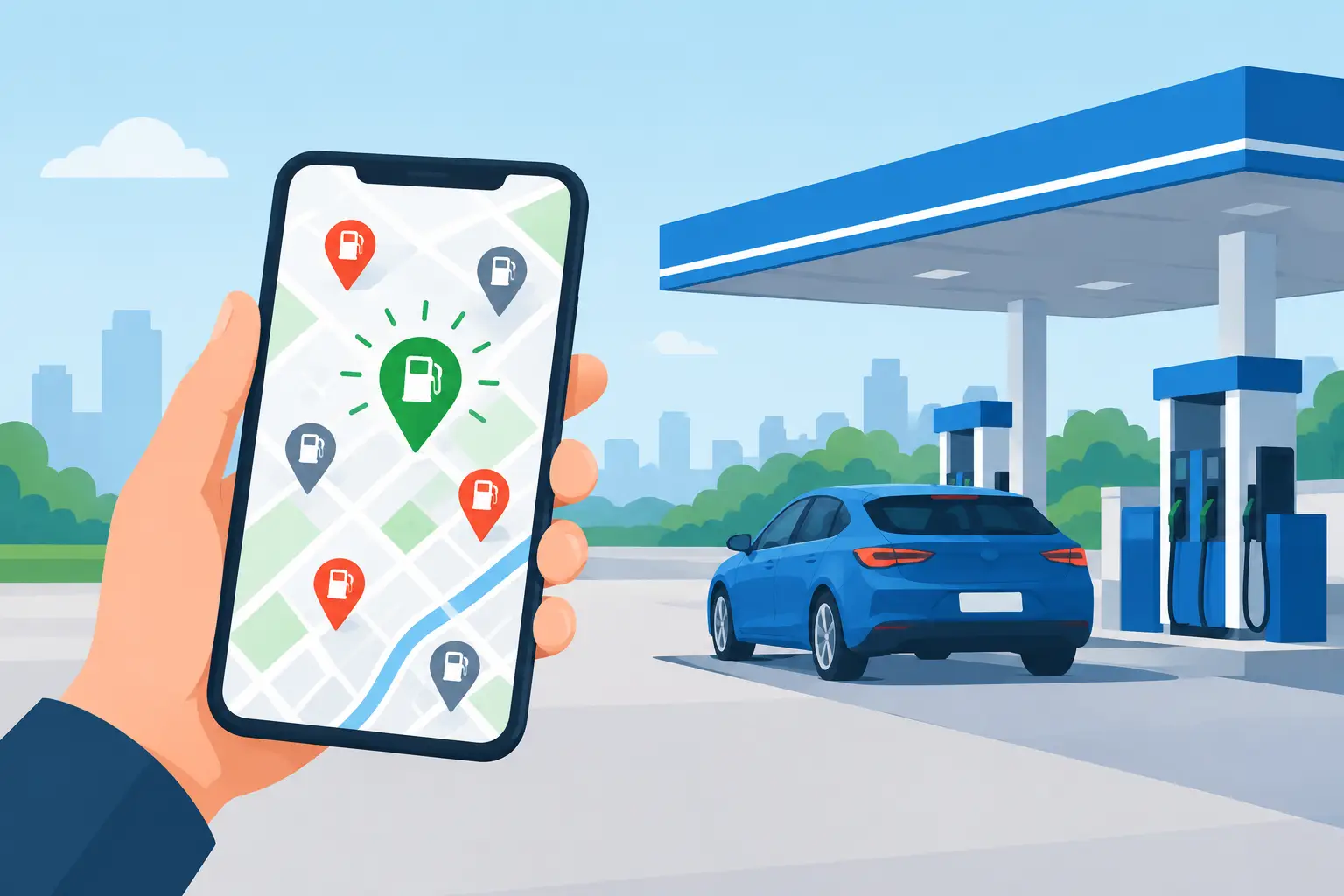
A few pence per litre can look insignificant on the forecourt sign. Fill a 55-litre tank, though, and a 10p difference adds £5.50 to one stop. Repeat that over a month of commuting, school runs or van deliveries and the savings become worth planning for. A fuel map gives you a quicker way to see local pump prices before you set off, rather than paying whatever happens to be closest.
For drivers trying to keep motoring costs under control, it is a practical tool, not a reason to take a 20-mile detour for a cheaper litre. The best decision balances price, distance, time and the fuel you would use getting there. That is the same value-first thinking that applies when comparing car or van insurance: a little research can prevent unnecessary spending.
How a fuel map helps UK drivers spend less
A fuel map shows the prices charged at nearby petrol stations, usually separated by fuel type. You can use it to compare unleaded, premium unleaded, diesel and, where available, other options. Instead of relying on an old price board you passed yesterday, you can check current local choices and plan a stop that suits your route.
This is particularly useful when prices are moving quickly. Supermarkets, independent stations, motorway services and branded forecourts can all charge noticeably different amounts in the same area. A map makes those differences easier to spot.
It also helps remove the guesswork from longer journeys. If you know you will need fuel on the way home, checking prices before leaving can be better than filling up at a motorway service area simply because the warning light has appeared. Motorway stops are convenient, but convenience often comes at a premium.
For van drivers, the effect can be even greater. A larger tank and higher weekly mileage mean small per-litre differences add up faster. Someone covering several hundred miles a week may find that choosing a sensible regular refuelling point is a straightforward way to protect their margin.
Use the fuel map without wasting fuel to save fuel
The cheapest price on screen is not automatically the cheapest option for you. A station that is 3p per litre cheaper may not be a saving if it is well out of your way, adds time to a busy day or forces you through heavy traffic.
Start by checking stations near your home, workplace or usual route. Then compare prices among locations you would realistically pass anyway. If one forecourt is only a short diversion and is meaningfully cheaper, it is probably worth choosing. If it requires a separate journey, work out the real cost before going.
For example, saving 6p per litre on 40 litres saves £2.40. If the round trip adds several miles, uses fuel and costs you 20 minutes, the apparent bargain can disappear. This is why a fuel map works best as a route-planning tool rather than a hunt for the lowest number in an entire town.
Try to check before the low-fuel warning becomes urgent. When the tank is nearly empty, choice disappears and you are more likely to stop at the first available station. Keeping enough fuel for a little flexibility gives you more control over the price you pay.
Petrol, diesel and premium fuel prices explained
Always compare like for like. Standard unleaded, premium unleaded, standard diesel and premium diesel have different prices, so a lower figure may relate to a fuel you do not normally use. Choose the grade recommended in your vehicle handbook.
Most drivers with petrol cars use standard unleaded, while many vans and higher-mileage vehicles use diesel. Premium fuels cost more and may contain additional additives, but they are not automatically necessary for every vehicle. If your manufacturer specifies premium fuel, follow that requirement. If it does not, paying extra only makes sense if you have a clear reason based on your vehicle and driving needs.
Do not assume that an expensive brand is always best or that supermarket fuel is automatically a compromise. Fuel sold in the UK must meet required standards. The more useful question is whether the station has the correct fuel, a competitive price and a location that makes sense for your journey.
There is one costly mistake no fuel-price comparison can fix: using the wrong fuel. If you accidentally put petrol into a diesel vehicle, or diesel into a petrol vehicle, do not start the engine. Tell the forecourt staff and arrange appropriate help. Starting the vehicle can circulate contaminated fuel through the system and make the problem far more expensive.
Build a cheaper refuelling routine
The best savings usually come from a repeatable habit. Check local prices once or twice a week, particularly before a longer journey or a full tank. Over time, you will see which stations are consistently competitive and when it makes sense to fill up.
It can help to avoid filling the tank at the same place out of habit. The forecourt nearest your driveway may be convenient, but a station near your weekly shop or regular commute could offer better value. There is no need to chase every one-penny change, but a noticeable difference on a full tank is worth acting on.
Keep an eye on how much fuel your vehicle is actually using, too. If your usual mileage suddenly drops, the issue may not be the pump price. Under-inflated tyres, unnecessary weight in the boot, aggressive acceleration and avoidable idling can all increase consumption. For business-use vans, a simple record of miles and litres can highlight where costs are creeping up.
Fuel-efficient driving is not about crawling along and holding up traffic. It is about reading the road, using smooth acceleration, anticipating stops and maintaining a sensible speed. Regular servicing also matters. A well-maintained vehicle is generally more efficient, more reliable and less likely to leave you facing an unplanned repair bill.
Fuel costs and your car or van insurance budget
Fuel is only one part of the cost of owning or running a vehicle, but it is a cost you feel every week. That makes it useful to review alongside insurance, maintenance, tax, parking and finance payments. Saving money at the pump can free up room in your monthly budget, while comparing insurance can help you avoid renewing at a price that no longer suits you.
Your fuel choice does not normally determine your insurance premium, but the way you use your vehicle can matter. Higher annual mileage can affect car and van insurance prices because more time on the road may mean greater exposure to risk. Give an accurate mileage estimate when getting quotes. Deliberately underestimating it to chase a lower price can create problems if you need to make a claim.
For van owners, make sure the policy reflects how the van is used. Social, domestic and pleasure use is different from commuting, carrying your own tools, making deliveries or transporting goods for customers. The cheapest policy is only good value if it provides the cover you need.
When comparing, look beyond the headline premium. Check the voluntary excess, policy exclusions, level of courtesy vehicle cover and whether legal expenses or breakdown cover are included or optional. Paying annually may reduce the overall cost compared with monthly instalments, although it depends on your circumstances and the options available.
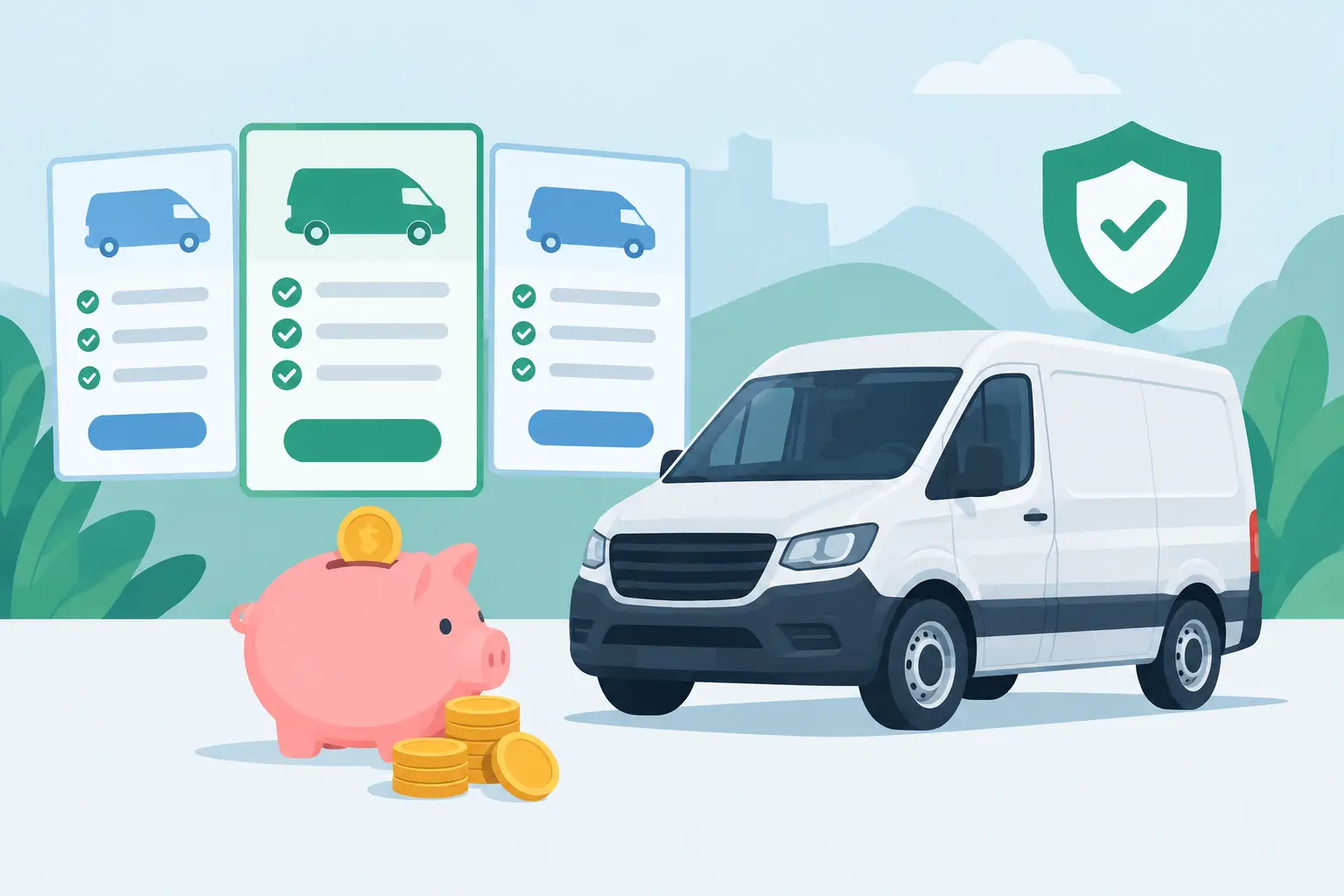
UKcompare helps drivers compare car and van insurance quotes, so you can weigh up cover and price without visiting insurer after insurer. Who Compares Wins!
Make better decisions before every journey
A fuel map is most useful when it supports a wider motoring plan. Check prices before a full tank, choose a station already close to your route and avoid false savings created by unnecessary miles. Pair that with efficient driving, realistic mileage estimates and insurance cover that matches how you use the vehicle.
The aim is not to spend your week chasing pennies across town. It is to make a few informed choices that keep more of your money where it belongs – in your pocket.