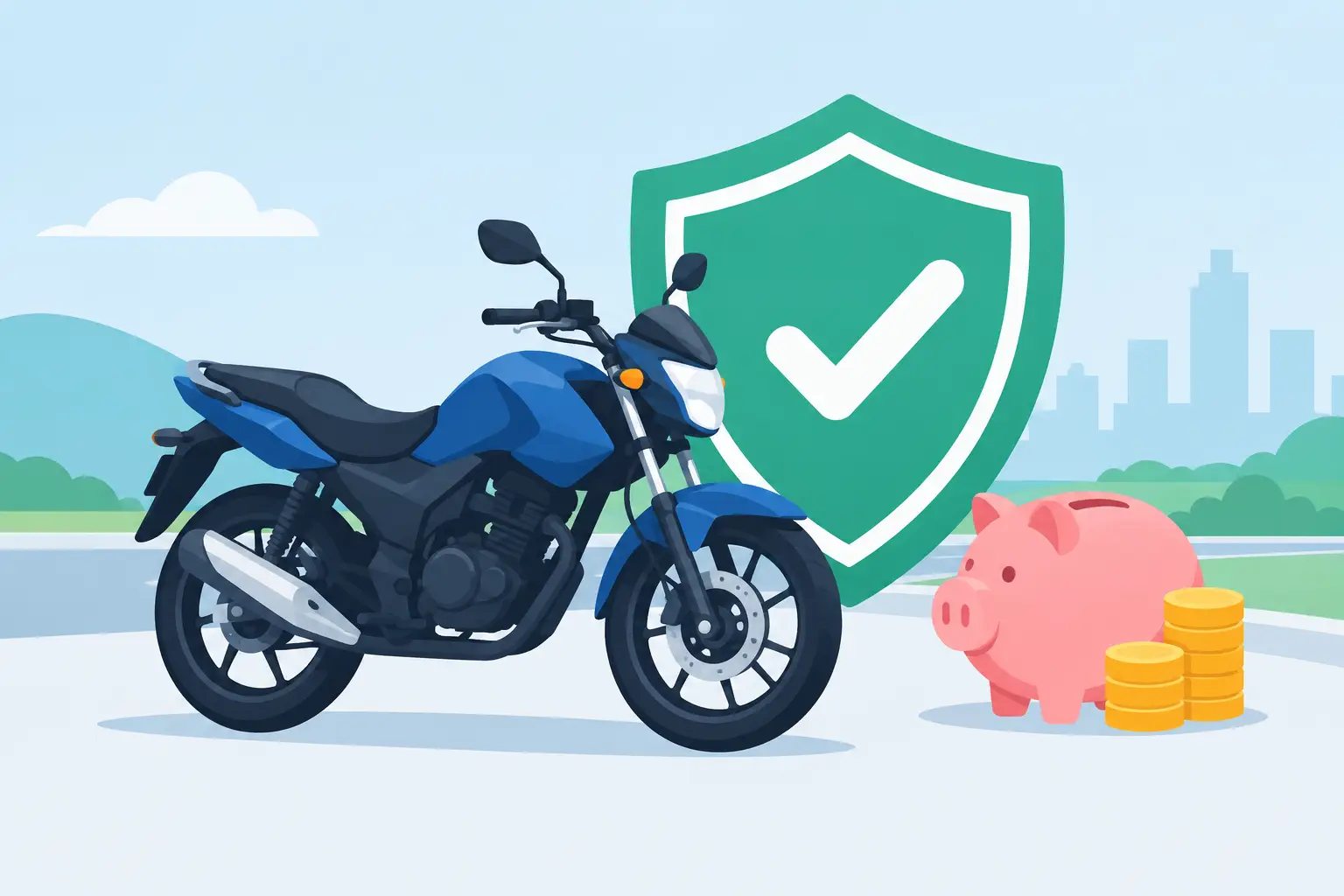

A no claims discount can take years to build and disappear far more quickly than most drivers expect. Knowing how to protect no claims can help you keep more of that hard-earned discount after a claim – but it does not make your premium immune from rising.
For UK car and van drivers, protected no claims discount can be a sensible extra, particularly if you depend on your vehicle for work, school runs or daily travel. The key is understanding what you are buying, what your insurer will still consider after an accident, and whether the added cost is good value for you.
What is a no claims discount?
A no claims discount, often shortened to NCD or NCB, is a reduction insurers apply when you have gone a set period without making a claim on your policy. In many cases, the discount increases each claim-free year, up to an insurer’s maximum level.
The percentage can look substantial after several years, but there is no single UK-wide scale. One insurer may give a five-year discount that differs from another insurer’s five-year discount. That is why the price you pay matters more than the headline percentage alone.
Usually, you earn no claims discount as the main policyholder. It is linked to you rather than the vehicle, so selling your car does not normally mean losing it. However, insurers have their own rules around proof, expiry and whether a discount earned on a car policy can be used for a van policy. Always check before assuming it will transfer.
How to protect no claims discount
Protected no claims discount is an optional feature added to many comprehensive car and van insurance policies. It normally allows you to make a limited number of claims within a defined period without reducing the number of no claims years you have built up.
For example, a policy might let you make one or two claims over three or five years while retaining your no claims discount at renewal. The exact allowance varies, so read the policy wording rather than relying on the name of the add-on.
Protection is often available only after you have built up a minimum number of claim-free years. Four or five years is common, although eligibility differs between insurers. If you have only one or two years of no claims discount, you may not yet be able to add protection.
It is also worth knowing what protection does not do. It protects the discount level, not your overall premium. After a claim, your insurer may still charge more because your claims history, vehicle, postcode, mileage and wider pricing have changed. You will also usually still pay the compulsory excess, plus any voluntary excess you selected, if the claim is covered and you are responsible for that excess.
When protecting your no claims is worth considering
The best answer depends on your driving, the value of your discount and the extra premium quoted. Protection can make sense if losing several years of NCD would make your next renewal difficult to afford, or if a claim would be especially disruptive to your budget.
It may be particularly useful for drivers covering higher mileages, commuting regularly, or using a van for everyday work. More time on the road can mean more exposure to risk, even when you drive carefully. It can also be worth considering if your car is expensive to repair or if you live in an area where accidental damage or theft claims are more likely.
On the other hand, it may not be the best value if the cost of protection is high and your annual mileage is low. Some drivers would rather keep the premium down and absorb the risk of a reduced discount if they need to claim. There is no automatic right choice – compare the extra cost against the potential financial hit of losing your NCD.
Do not base the decision solely on the value of a minor repair, either. Paying for small damage yourself can sometimes avoid a claim, but it is not always appropriate or safe. Incidents involving another person, injury, a third party’s property, suspected theft or legal liability should be reported to your insurer in line with your policy terms, even if you do not expect to claim for your own repairs.
A protected discount is not a claim-free record
This catches out many motorists. Even with protected no claims discount, you must declare relevant claims and incidents when asked for them. Insurers commonly ask about claims, accidents and losses over the previous three to five years, whether you were at fault or not.
A protected NCD means you may keep, say, five years of discount. It does not mean the accident disappears from your record. At renewal, a claim can still affect the insurer’s view of risk and the price it offers.
The same applies to non-fault claims where your insurer has not yet recovered all its costs from the other party. Your no claims discount may be reinstated once costs are recovered, depending on the policy, but you should not assume this will happen immediately. Keep claim references and confirmation of any settlement.
Check these policy details before you buy
Protection wording is not identical across the market. Before adding it, look beyond the price and check the conditions that apply to your policy. These four details are the most useful to compare:
- The minimum no claims years needed before protection is available.
- How many claims are allowed, and over what period.
- Whether fire, theft, windscreen or non-fault claims count towards the allowance.
- What happens if you exceed the permitted number of claims.
Also ask how long your proof of no claims remains valid if you change insurer or have a break in cover. Many insurers accept proof for a limited period only, often around two years, but their rules differ. A renewal notice or letter confirming your NCD can be useful evidence, so save it rather than relying on an old email being easy to find later.
Other ways to keep your insurance costs under control
Protecting your discount is only one part of managing renewal costs. A cheaper policy with no protection may still cost less than a more expensive policy that includes it, so compare the total annual premium and the cover provided.
Accurate mileage is a practical starting point. Do not overestimate by thousands of miles “just in case”, but make sure the figure is realistic for your work, commuting and personal journeys. If your mileage has fallen since last year, update it.
Vehicle security can help too. Parking in a locked garage or on a driveway, where truthful, may affect the quote. For vans, removing tools overnight and using suitable security measures can reduce the risk of a costly theft claim. Choosing a higher voluntary excess can lower the premium, but only select an amount you could genuinely pay following a claim.
Paying annually can be cheaper than monthly instalments because monthly payments may include interest. Yet cash flow matters. The lowest annual price is not helpful if it puts pressure on your household budget, so choose a payment option you can sustain.
Finally, compare well before renewal rather than accepting the first figure you see. Your circumstances and insurers’ pricing can change year to year. UKcompare can help you view car or van insurance options in one place, saving time while you weigh price, excess, policy features and no claims protection.
A protected no claims discount is best treated as a financial safety net, not a reason to ignore the details of your cover. Keep your records, drive within the policy terms and compare every renewal carefully – because who compares wins.