A no claims bonus can be worth hundreds of pounds off your renewal price, so it is sensible to ask: can no claims bonus transfer when you change insurer, replace your vehicle or move from a car to a van? Usually, yes – but it is not as simple as moving a balance from one policy to another.
Your discount is earned through claim-free driving and is normally recognised by a new insurer when you provide proof. The detail matters, though. Insurers have different rules on eligible vehicles, how long they will honour an unused bonus and whether car and van claim-free years can be used interchangeably.
Can no claims bonus transfer between insurers?
In most cases, you can take your no claims bonus, also called a no claims discount or NCD, to a new insurer. You do not need to stay with the company that issued it. When you arrange new cover, declare the number of full claim-free years you have earned, then send proof if the insurer asks for it.
The proof usually comes from your latest renewal notice, cancellation letter or a dedicated no claims bonus letter. It should show your name, policy number, vehicle registration, the number of years earned and the end date of the policy. Many insurers accept digital documents, but keep a saved copy rather than relying on an old customer account remaining open.
Do not guess your number of years. If you tell a new insurer you have five years but your evidence confirms four, the premium can be recalculated. In some cases, the insurer may cancel the policy if the information is not corrected. An attractive quote only remains good value when the details are accurate.
What you can and cannot transfer
A no claims bonus belongs to the policyholder, not the vehicle or the insurer. If you sell your car, buy another one or move to a different insurer, you can normally use the earned discount on your replacement policy.
There is one major restriction: you cannot use the same no claims bonus on two policies at once. For example, if you have built five years of NCD on your car and then insure a second car, those same five years cannot usually reduce both premiums. Some insurers offer a separate introductory discount for a second vehicle, but that is their own pricing decision, not a second copy of your NCD.
You also cannot normally transfer a discount from one person to another. A spouse, partner or parent cannot pass their unused bonus to you, even if you have driven the car regularly. This can feel frustrating for named drivers, but insurers generally require each policyholder to build their own record.
Switching from car insurance to van insurance
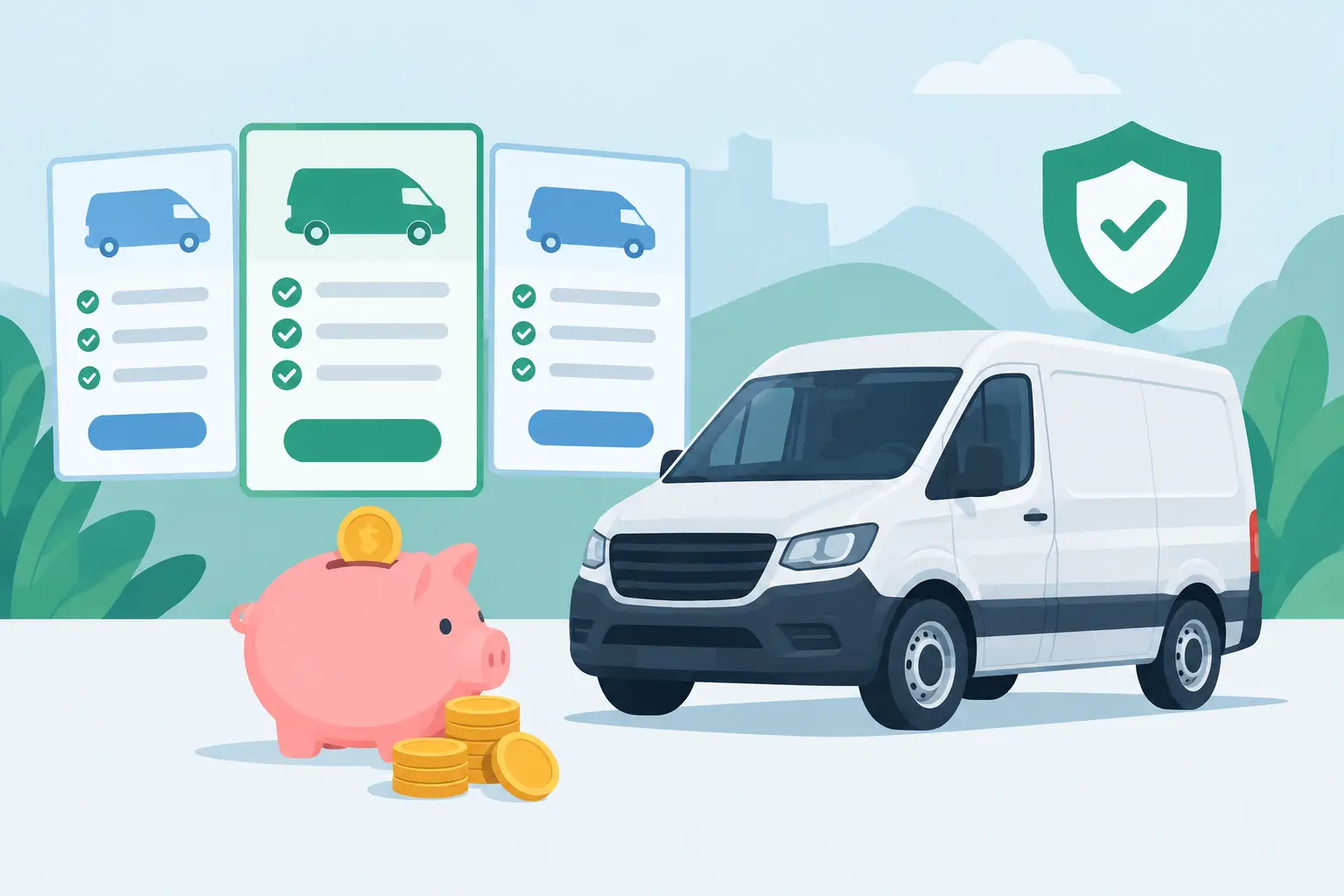
Car-to-van transfers are possible with some providers, particularly where the van is for personal use or light everyday work. Others insist that the NCD was earned on a similar type of policy. A van used for deliveries, carrying tools or travelling to several work sites may be rated differently from a private car, so the insurer may refuse to recognise car claim-free years or may only accept part of them.
The reverse can apply too. If you have earned NCD on a van, ask whether it can be used for car insurance before assuming it will be accepted. Tell the insurer exactly how the vehicle will be used. Choosing social, domestic and pleasure use when you need business use can leave you with unsuitable cover, whatever discount is applied.
Changing vehicle mid-policy
If you change cars or vans during an active policy, your insurer will usually amend the existing cover. Your NCD continues to build as long as the policy remains claim-free, although the price can rise or fall because the new vehicle has a different risk profile.
If you cancel instead and arrange a new policy, you may be able to use the bonus already earned from previous years. However, you will not normally receive an additional year for the unfinished policy period. That extra year is generally awarded only at renewal after a full claim-free year.
How long does a no claims bonus last?
Most insurers will accept an NCD that has been unused for up to two years, but this is not a universal rule. Some set a shorter limit and others may accept longer gaps. The clock usually starts when your last policy ended, not when your renewal document was issued.
A gap can happen after selling a vehicle, moving abroad, using a company car or simply taking a break from driving. If you expect to be uninsured for a while, download your proof before the policy ends and check the expiry rules when you are ready to return.
Company car driving may help with some insurers, but it is not the same as a personal no claims bonus. You may need a letter from your employer confirming the period you drove, your claims history and whether you were the sole or main driver. Acceptance varies, so treat it as useful evidence rather than a guaranteed discount.
What happens after a claim?
A fault claim usually reduces your no claims bonus at the next renewal. The exact step back depends on the insurer’s scale. Five years might reduce to three, for example, while another insurer may apply a different reduction. A non-fault claim should not usually affect your NCD if the insurer recovers its costs, but it can still influence the premium because claims history is one of many factors used to calculate risk.
No claims discount protection can let you make a certain number of claims without losing the stated number of NCD years. It does not freeze your price. Your premium may still increase after a claim, and protected NCD terms differ between insurers. Check how many claims are allowed, over what period, and whether the protection applies if you move insurer.
Before you use your bonus on a new quote
Getting these details ready can prevent delays and help you compare like for like:
- the exact number of NCD years shown on your latest proof
- the date your previous policy ended and whether the NCD is still within the insurer’s acceptance period
- whether the bonus was earned on a car, van, motorbike or company vehicle
- any claims or incidents, including those where you were not at fault
- the vehicle’s intended use, annual mileage and who will drive it
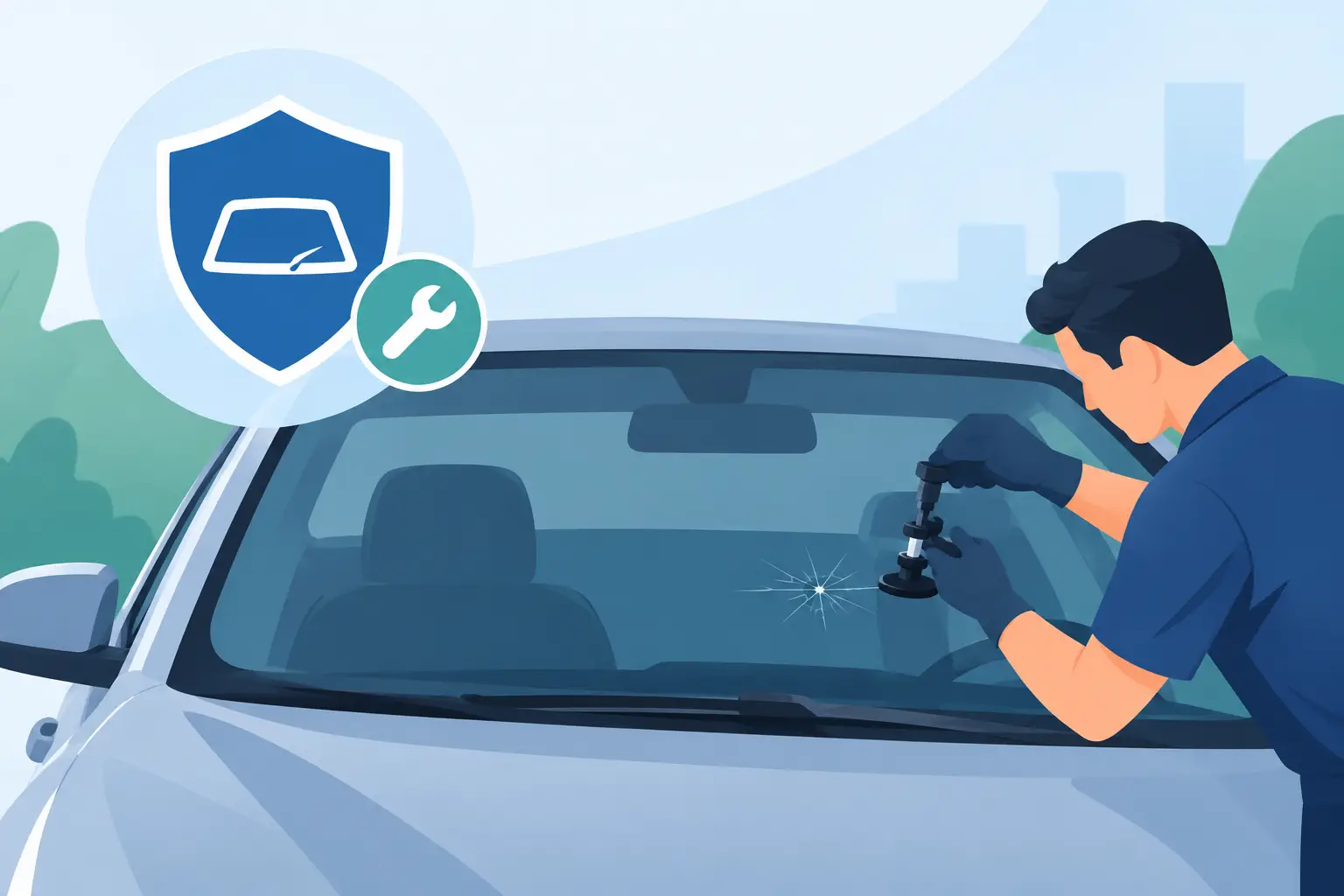
When comparing quotes, do not focus only on the headline discount. Check the compulsory and voluntary excess, level of cover, windscreen terms, legal expenses, courtesy vehicle provision and any exclusions that matter to your driving. A low premium can be a false saving if it leaves you paying more after an incident or without cover you expected to have.
Common mistakes that cost drivers money
The most common mistake is leaving your old policy running while trying to use its NCD for another vehicle. Until the original policy ends or the insurer confirms the bonus is released, it is still in use. Arrange dates carefully, especially if you are collecting a new vehicle before selling the old one.
Another is cancelling a policy after an accident and assuming the bonus is unaffected. Even if the claim is still being investigated, disclose it to the new insurer. Claims must be declared whether they were settled, pending, fault or non-fault, unless the insurer specifically says otherwise.
Finally, do not confuse a named driver discount with a genuine NCD. Some policies recognise named-driver experience when you take out cover with the same provider, but the benefit may not follow you elsewhere. Ask for clear confirmation of what evidence you will receive at the end of the policy.
Get the right price without losing the right cover
Your no claims bonus is valuable, but it is only one part of the price. Your postcode, occupation, mileage, vehicle security, claims history and cover choices can all change the result. Comparing a wide range of quotes lets you see whether another insurer will recognise your NCD and still offer cover that suits the way you drive.
If you are switching cars, moving into a van or returning to the road after a break, have your NCD proof ready before you start. UKcompare can help you compare car and van insurance quotes quickly, so you can put your earned discount to work without paying for cover that does not fit.