A clean-looking used car can still come with expensive baggage. Before you arrange insurance, hand over a deposit or drive home, an HPI check versus DVLA check can tell you very different things about the vehicle in front of you. One helps confirm the car’s official identity and status. The other can uncover risks that may not be visible in the advert, on the dashboard or during a test drive.
For a buyer trying to avoid a costly mistake, the best answer is usually not choosing one over the other. It is knowing what each check can and cannot do, then matching the vehicle details to the paperwork and the seller’s story.
What is a DVLA check?
A DVLA check normally refers to a check using vehicle information held by the Driver and Vehicle Licensing Agency. It is a quick way to confirm basic details recorded against a registration number.
Depending on the service used, you may be able to see the make, model, colour, fuel type, engine size, year of first registration, tax status and MOT information. MOT history is recorded through the DVSA, but it is commonly shown alongside DVLA vehicle data, which is why buyers often view it as one simple vehicle check.
This is valuable because it lets you compare the official record with the car you are considering. If an advert says the vehicle is a 2019 diesel automatic, but the registration data says petrol manual or a different colour, stop and ask why. It could be an innocent listing error. It could also signal cloned plates, a registration transfer or a seller who is not being straight with you.
A DVLA check is generally a sensible first step because it is fast and gives you the core facts needed for a quote. Insurers use vehicle details to assess risk, so choosing the wrong model or variant when arranging cover can lead to an inaccurate premium or complications if you need to claim.
What a DVLA check will not tell you
The public-facing information is useful, but it does not provide the whole buying history. It will not usually tell you whether the car has outstanding finance, has been recorded as stolen, has been written off by an insurer or has number-plate changes that need further investigation.
It also does not give you the registered keeper’s personal details. A V5C log book is not proof that the person selling the car legally owns it, and you should never treat a name on paperwork as a complete substitute for proper checks.
What is an HPI check?
An HPI check is widely used as shorthand for a more detailed vehicle history check. HPI is a well-known name in vehicle checking, although different providers can offer similar reports and the information included can vary.
A full history check may search multiple data sources for issues that can affect whether you should buy the vehicle at all. Common areas include outstanding finance, insurance write-off records, stolen vehicle records, number-plate changes, mileage discrepancies and whether the vehicle has been exported or imported.
This matters most when the price seems unusually low or the vehicle has a patchy history. A car can drive perfectly on a test drive and still be subject to a finance agreement. If the finance has not been settled, the lender may retain an interest in the vehicle. That is a risk no bargain price can make comfortable.
An HPI-style report can also flag if a car has been declared an insurance write-off. That does not automatically mean it is unsafe or impossible to insure. The category, quality of any repairs, supporting invoices and an independent inspection all matter. But it can affect the vehicle’s value, future saleability and the cover options available to you.
HPI check versus DVLA check: the key differences
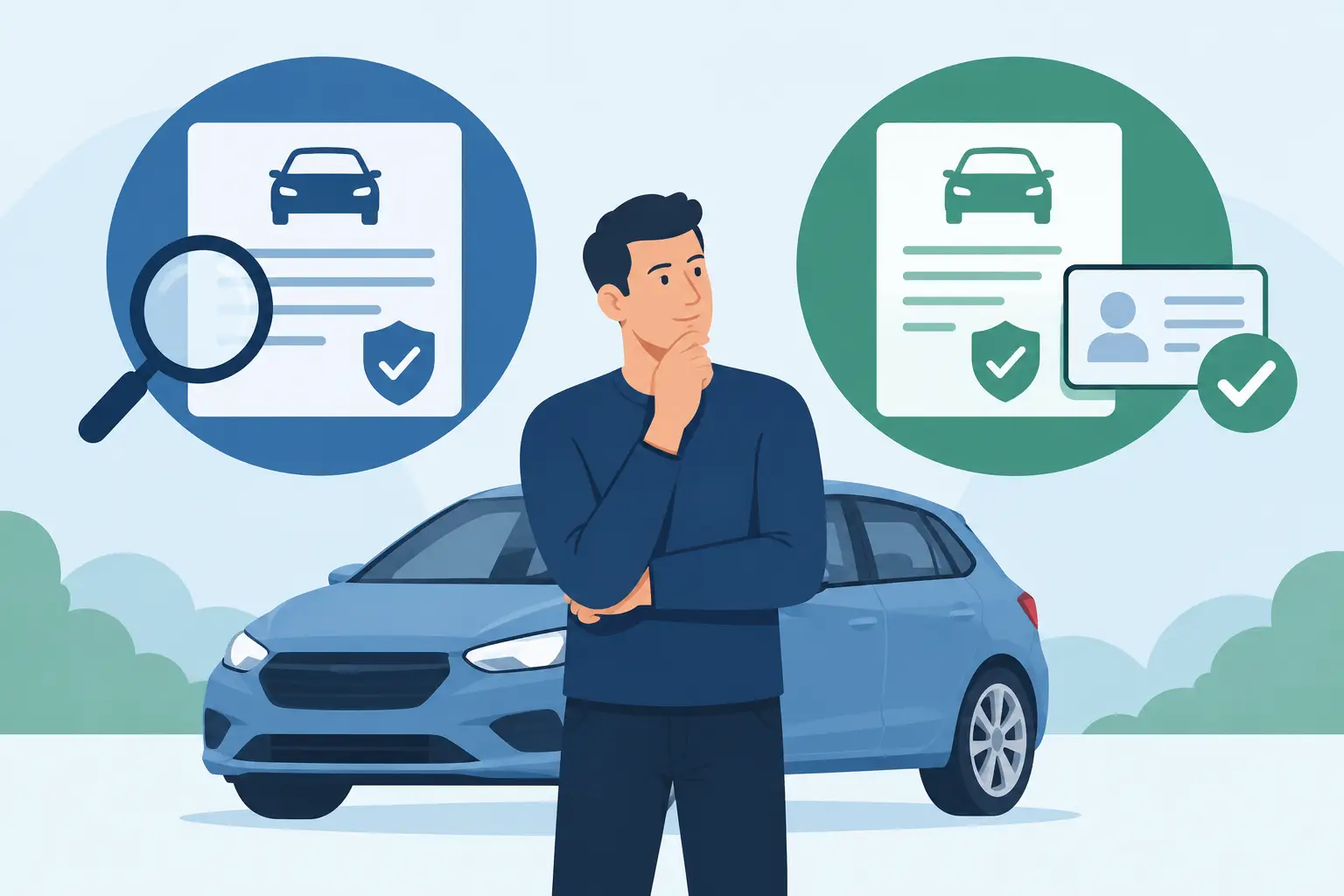
The simplest way to look at an HPI check versus DVLA check is this: a DVLA check confirms the vehicle’s official basics, while an HPI check investigates its background and potential financial or insurance-related risks.
A DVLA check can help answer, “Is this registration attached to the car the seller says it is?” An HPI check is designed to answer tougher questions, such as, “Is there finance outstanding?”, “Has it been stolen?”, and “Is there history that could reduce its value or cause trouble later?”
They also differ in depth and cost. Basic DVLA vehicle details are often available quickly and may be free through legitimate services. A full vehicle history report is normally paid for because it combines information from a range of sources. For a car worth several thousand pounds, that fee can be small compared with discovering a serious issue after payment.
Neither check replaces common sense. Records can take time to update, different providers may search different datasets, and a clear result is not a mechanical inspection. Use the registration number and vehicle identification number (VIN) carefully, and query anything that does not match.
When a DVLA check may be enough
For an existing vehicle you already own, a DVLA check is often enough to confirm tax, MOT and basic specification details. It is also useful when you need accurate information before getting car insurance quotes or checking whether an advertised vehicle matches its registration.
If you are buying from a reputable dealer and the car is low value, you might decide that a basic check, clear paperwork, MOT history and a thorough inspection give you enough confidence. That is your call, but weigh the saving against the cost of getting it wrong.
For private sales, higher-value cars, vehicles with personalised registrations or any deal that feels rushed, a more detailed history check is usually the safer option. Be especially cautious if a seller wants bank transfer payment before you have seen the V5C, checked the VIN and viewed the car at the address where it is registered.
Check the car, not just the registration
Registration numbers can be changed, copied or cloned. A proper buying check should include the physical vehicle and its documents.
Compare the VIN on the vehicle with the VIN on the V5C. Depending on the vehicle, the VIN may be visible through the windscreen, on a door pillar, under the bonnet or in other manufacturer locations. Look for signs that plates, screws, labels or panels have been tampered with. If the VIN is missing, altered or does not match, walk away.
Then review the MOT history. Repeated advisories for tyres, brakes, suspension, corrosion or emissions do not necessarily make a car a bad buy, but they can reveal likely upcoming costs. Ask the seller what work has been completed and request invoices where available.
A test drive still matters. Listen for knocks, check warning lights, make sure the clutch and gearbox feel right, and verify that the car starts from cold. For an expensive purchase, paying for an independent inspection can be money well spent. Vehicle checks deal with recorded history; an inspection assesses the condition you are buying today.
Why the result matters for insurance
An accurate vehicle history helps you arrange cover on the right basis. Tell insurers the correct registration, modifications, use and annual mileage. If a car has previously been written off, disclose it when asked. Do not assume an insurer will treat it like an identical car with no recorded damage history.
A repaired write-off can sometimes cost more to insure, have fewer available options or be valued differently if you make a claim. The impact depends on the insurer, category of damage, vehicle type and repair history. Comparing quotes gives you a clearer view of the real cost before you commit to buying.
This is particularly relevant for young drivers, performance cars and vans used for work, where premiums can already be under pressure. Saving a few hundred pounds on the purchase price is less attractive if the vehicle then costs significantly more to insure or proves difficult to sell.
A sensible order before you pay
Start by checking the registration details and MOT status. Make sure the make, model, fuel, colour and dates are consistent with the advert and the vehicle itself. Next, run a detailed history check if the value or circumstances justify it. Finally, inspect the car, verify the VIN and documents, and only then discuss payment.
Never let a seller’s urgency replace your checks. “Lots of interest” may be true, but a genuine seller should understand why you want to protect your money. If they refuse to let you see documents, pressure you to pay a deposit immediately or offer excuses for mismatched details, there will be other cars.
The best used-car deal is not simply the cheapest one on the driveway. It is the one with a history you understand, a condition you have checked and an insurance cost you can afford. Check first, compare carefully, and buy with fewer surprises.