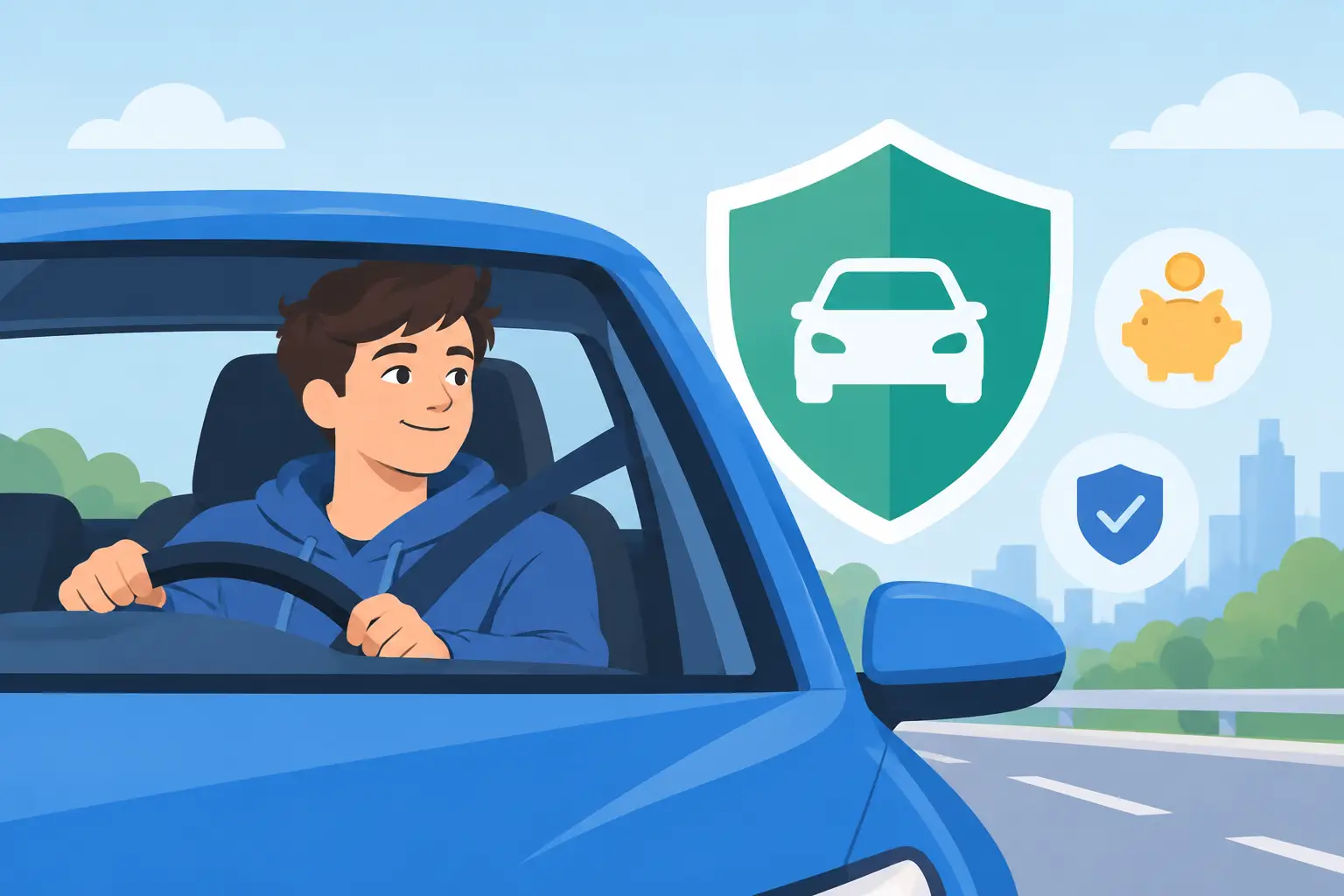
Your first year behind the wheel should be about gaining confidence, not being hit by a quote that costs more than the car. Young drivers often pay more because insurers have less evidence of their driving history and claims are statistically more common in this age group. The best insurance for young drivers is not simply the cheapest policy on screen. It is cover that suits how you use your car, has an excess you could afford after an accident, and rewards you for driving safely.
What makes the best insurance for young drivers?
A low premium matters, especially when you are paying for lessons, fuel, servicing and the car itself. But choosing on price alone can create an expensive surprise if you need to claim. Check the policy excess first. This is the amount you agree to pay towards a claim, usually made up of compulsory and voluntary excess. A very high voluntary excess can reduce the premium, but only choose an amount you could genuinely pay.
Also look at the practical features included. Courtesy car arrangements, windscreen cover, legal expenses and cover for driving other cars vary between policies. Some are useful; others may not be worth paying extra for. For example, a courtesy car is more valuable if you depend on your vehicle for work, college or family commitments.
The right policy also reflects your real driving habits. Be accurate about where the car is kept overnight, your annual mileage and its main use. Insurers use these details to price risk. Guessing a lower mileage or selecting social-only use when you commute can invalidate a claim or leave you without the cover you expected.
Choose the level of cover on value, not its name
Third party insurance is the legal minimum for driving on UK roads. It pays for injury to other people and damage to their property, but it will not pay to repair or replace your own car after an accident that was your fault.
Third party, fire and theft adds protection if your car is stolen or damaged by fire. Comprehensive cover goes further, typically covering damage to your own vehicle as well as third-party claims, subject to the policy terms and excess.
Comprehensive can sometimes cost less
It sounds backwards, but comprehensive cover is not always the most expensive option for a young driver. Insurers price each level of cover based on claims data, and people choosing third party policies may be seen as a higher-risk group by some providers. That is why it pays to compare like for like rather than assuming the minimum cover will deliver the minimum price.
Read the wording around modifications too. Alloy wheels, lowered suspension, performance upgrades, a custom exhaust or even some infotainment changes can count as modifications. Declare them before you buy. An undeclared modification may make a cheap policy a poor deal when it matters most.
Why young driver premiums can be high
Age is only one part of the calculation. The car you choose, where you live, your occupation, how far you drive and where the vehicle is parked all affect the price. A small car is not automatically cheap to insure either. Popular models can cost more if they are frequently stolen or expensive to repair.
Insurance groups are a helpful starting point, but they are not a final answer. Two cars in the same group can still produce different quotes because of repair costs, parts availability and theft records. Before buying your first car, get sample quotes for a few suitable models. It can prevent a bargain purchase turning into an unaffordable monthly commitment.
A new driver also has no no-claims discount to bring down the cost. Building that record takes time, but a claim-free first year can make a meaningful difference at renewal. Protecting a no-claims discount is usually only relevant once you have built one, so do not assume it is an essential add-on from day one.
Ways to bring down young driver insurance costs
There is no single trick that guarantees the lowest premium. Small, honest changes can add up, particularly when you compare a wide range of insurers.
- Consider telematics insurance. A black box or smartphone app tracks aspects of your driving, such as speed, braking, the time of day you travel and mileage. It can be a strong option for careful drivers, but check whether there are mileage limits, night-time restrictions or charges for poor scores.
- Choose a sensible first car. Look beyond the purchase price. Cars with modest engine sizes, readily available parts and good security can be cheaper to insure than sportier alternatives.
- Pay annually if you can afford it. Monthly payments often involve credit, meaning you may pay more overall. Check the total payable amount rather than focusing only on the monthly figure.
- Improve security where practical. Keeping the car in a locked garage or on a driveway may help in some cases, but only state this if it is where the car is actually kept. Approved alarms, immobilisers and trackers can also matter for certain vehicles.
- Add an experienced named driver correctly. A parent or guardian with a good driving record can sometimes lower the cost. They must genuinely use the car from time to time. Naming them as the main driver when the young person is really the main user is fronting, which is fraud.
Increasing your voluntary excess can lower the quote, but treat it with caution. If a £500 excess would be impossible to find after a collision, a lower excess and slightly higher premium may be the safer choice.
Compare details that affect the real cost
When you compare car insurance quotes, use identical information for every insurer. Differences in mileage, occupation, parking location or the start date can make one result look cheaper when it is not a true comparison. Starting cover well before you need it may help too. Last-minute policies can be more expensive, although prices change and there is no guaranteed best number of days.
Check what each quote includes before deciding. Compare the total annual price, excess, payment terms and any key exclusions. If two policies are close in price, the one with a lower excess or better courtesy car provision may offer better value.
UKcompare makes it quicker to compare car insurance quotes from a broad panel of registered UK insurers, helping you see your options without completing forms across multiple insurer websites. Who Compares Wins!
Before you buy, check these essentials
Have your driving licence details, vehicle registration, address history, estimated mileage and employment information ready. If you have not bought the car yet, use accurate vehicle details from the advert or registration. Do not select an occupation that sounds similar but is not correct – insurers can treat job titles differently, and the information must reflect your actual role.
If you are a learner, make sure the policy specifically covers you for the driving you plan to do. If you have passed your test, tell the insurer straight away. Your licence status affects both your cover and premium.
Finally, do not let your policy renew without checking the price. Your circumstances, car value and driving record can change over a year. A quick comparison at renewal gives you a chance to keep suitable protection while avoiding the cost of loyalty.
Safe driving is your strongest long-term saving. Choose cover you understand, give accurate details and build a clean record one journey at a time.