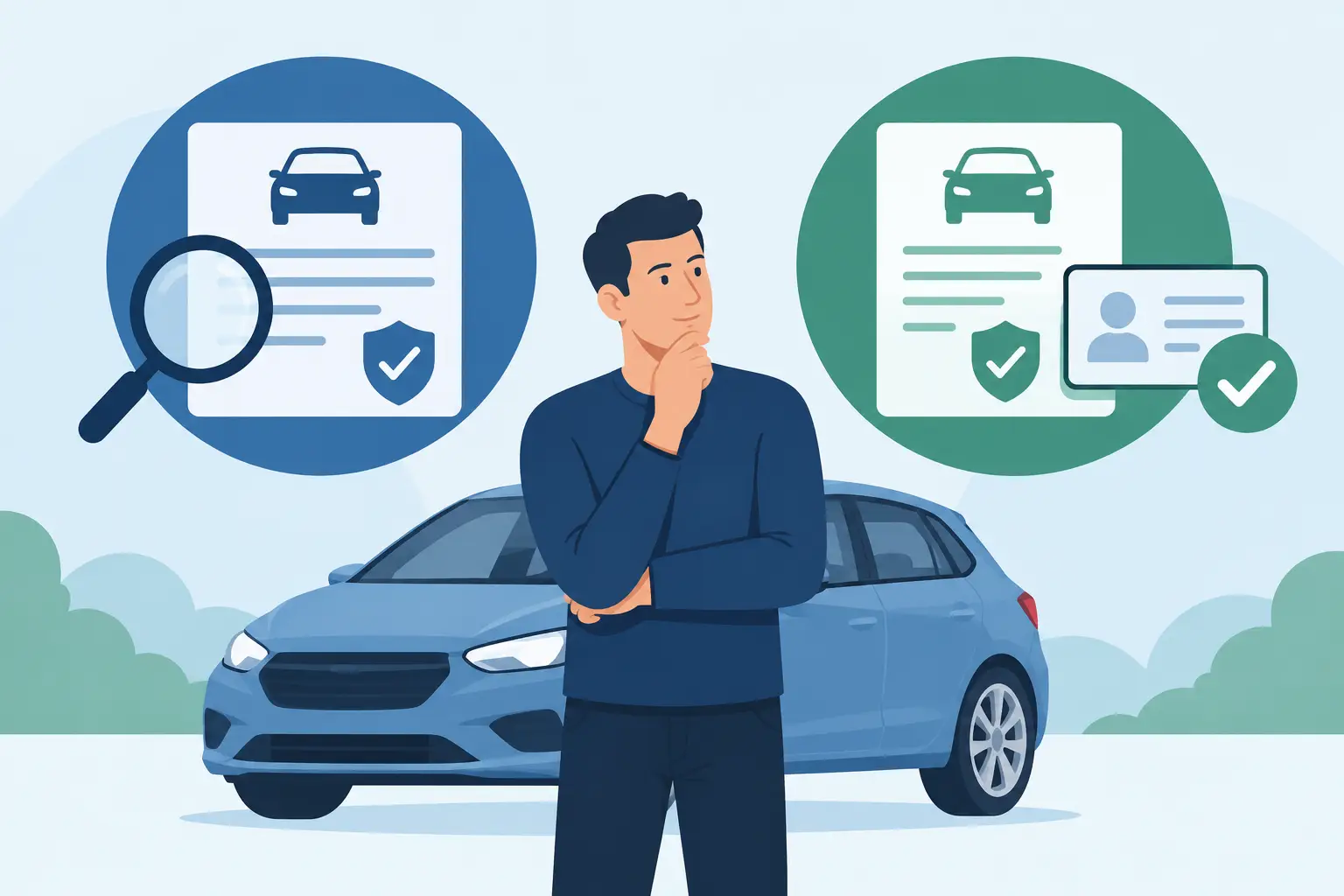
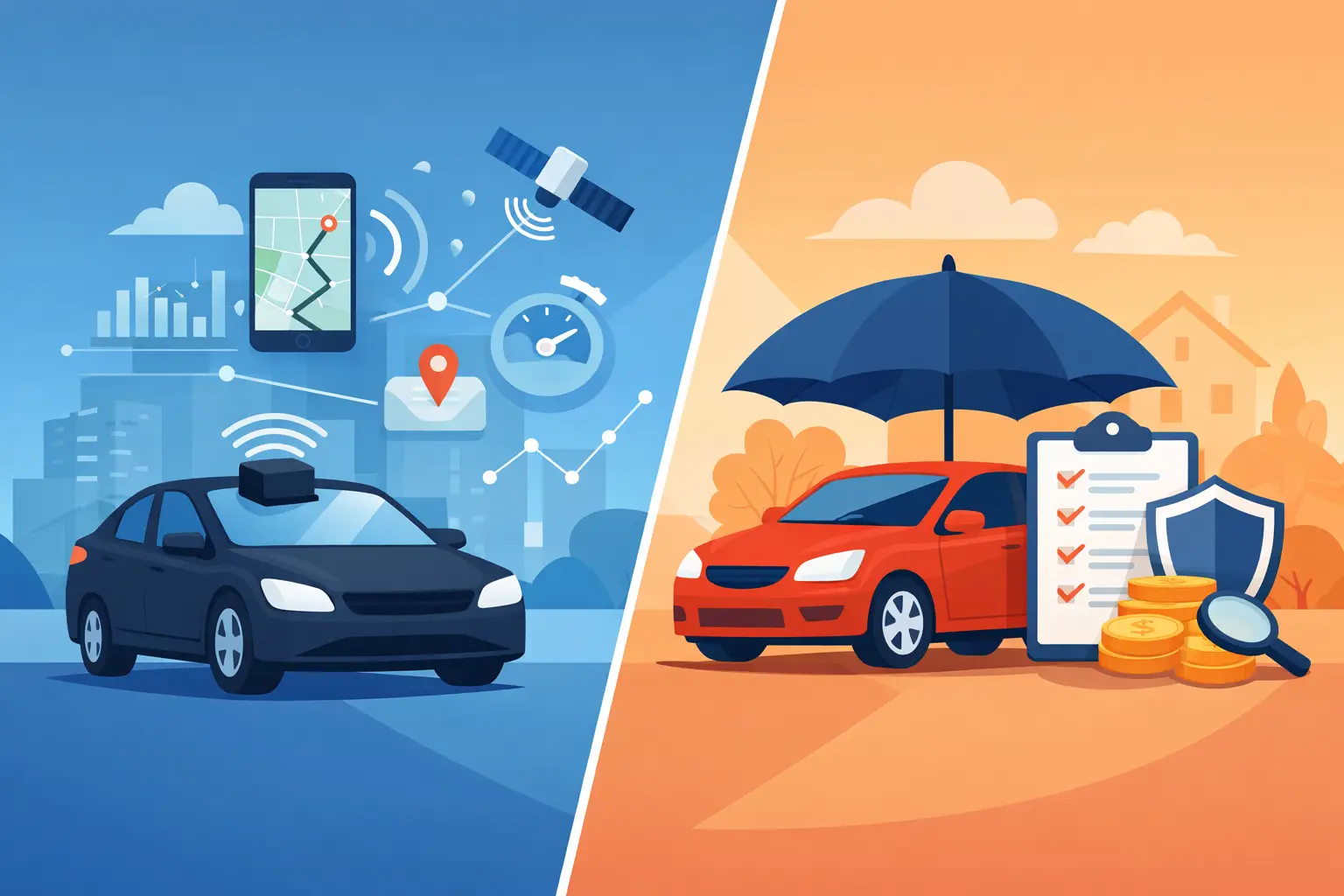
A low first-year premium can be tempting, particularly if you are a young driver facing eye-watering quotes. But black box versus standard insurance is not simply a choice between a cheaper policy and a more expensive one. It is a choice about how your driving is assessed, what data your insurer receives and whether the policy rules fit the way you use your car.
For some drivers, telematics insurance can offer a genuinely competitive route to cover. For others, a conventional policy offers more freedom and better value. The right answer comes from comparing the full policy, not just the headline price. Who Compares Wins!
What is black box insurance?
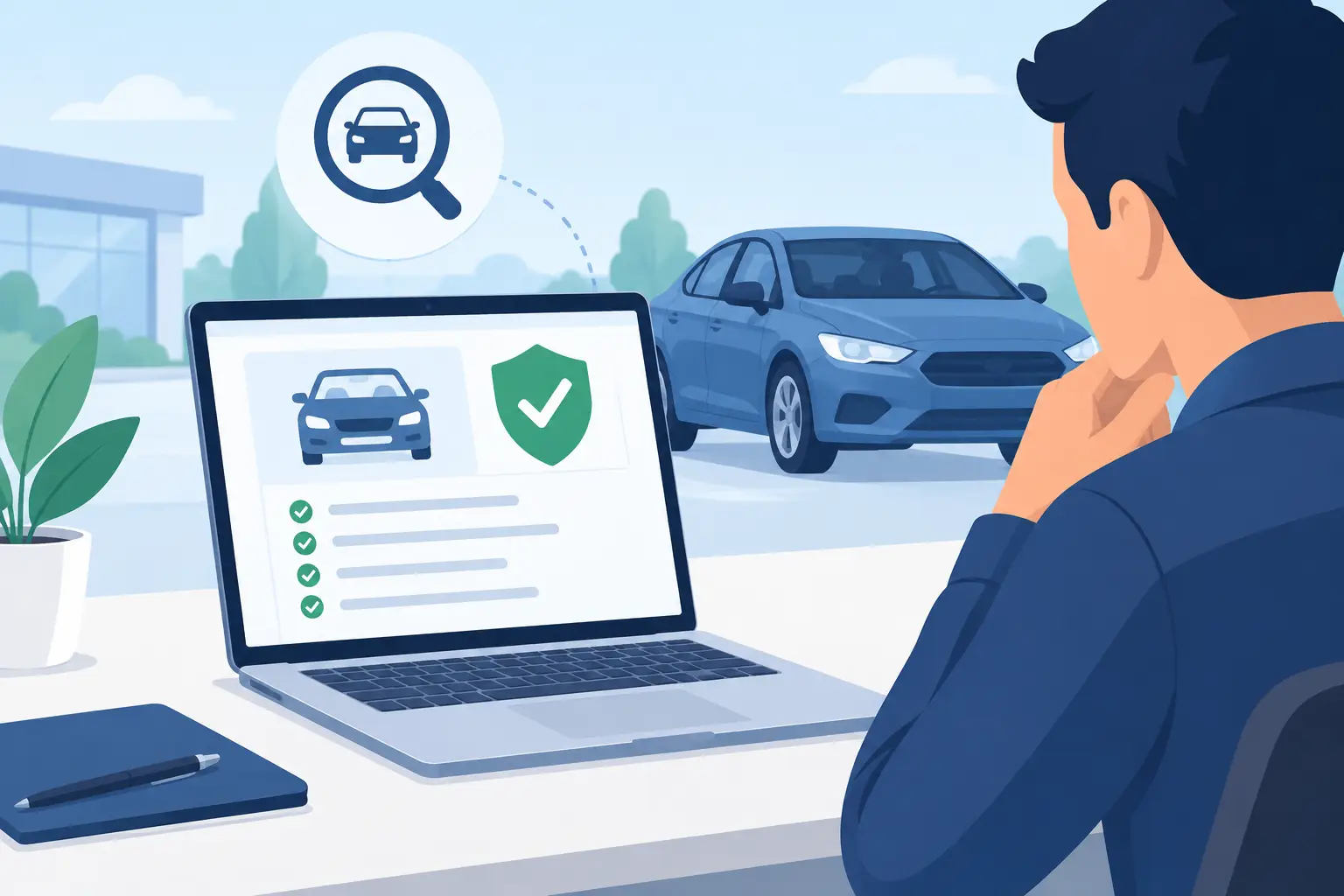
Black box insurance, also called telematics insurance, uses a device or smartphone app to collect information about how, when and sometimes where you drive. The insurer uses this information alongside the usual rating factors, such as your age, postcode, vehicle, claims history and annual mileage.
A fitted black box is usually installed in your car, while app-based policies use your phone’s sensors and location settings. Some insurers offer a self-fit plug-in device. The set-up matters: with an app, you may need to keep your phone charged and make sure it correctly identifies whether you are the driver or a passenger.
The data collected varies by insurer, but may include speed, acceleration, braking, cornering, the time of day you drive, mileage and GPS location. This builds a picture of your driving style over the policy year.
Insurers commonly give drivers a score through an app or online account. Safe, consistent driving may help maintain a good score and, depending on the policy, could lead to renewal savings or rewards. Poor scores can mean less favourable renewal terms, warnings, or restrictions under the policy conditions.
How standard car insurance works
Standard insurance does not monitor individual journeys. The insurer sets your premium using the details you provide when arranging cover, plus wider claims and risk data. You still need to give accurate information about your occupation, address, car use, mileage, modifications, convictions and claims.
Your price can change at renewal, especially after an accident, a claim or changes to the wider insurance market. However, it is not normally adjusted because you braked sharply on a particular journey or drove home late from work.
Standard policies can be third party only, third party fire and theft, or comprehensive. Black box policies are often comprehensive too, but the level of cover is not determined by whether a policy uses telematics. Always check the actual policy details, including the excess, courtesy car provision, windscreen cover, legal expenses and any restrictions on who can drive the vehicle.
Black box versus standard insurance: the main differences
The biggest difference is monitoring. A black box policy can take account of your real driving behaviour, while standard insurance relies mainly on the information and risk factors available before you take out the policy.
That can work in your favour if you drive carefully and fall into a group that insurers often view as higher risk, such as newly qualified drivers. Rather than paying a premium based solely on broad averages, you have a chance to demonstrate that you are a lower-risk driver.
There is a trade-off. Telematics may feel intrusive if you value privacy or do not want an insurer to record journey-related data. You should read the insurer’s privacy notice and policy wording to understand what is collected, how it is used, who it may be shared with and how long it is retained.
Flexibility is another key point. Standard cover may suit drivers whose routines change regularly, who make frequent late-night trips, or who cover unpredictable mileage. Some black box policies have no curfew or mileage limit, but others may include restrictions or charge for extra miles. Never assume all telematics products work in the same way.
Premiums and renewal costs
Black box insurance is often marketed as a way to reduce premiums, and it can be. It is particularly worth checking if you are 17 to 25, have recently passed your test, drive a modest car and expect to keep your mileage low.
It is not automatically cheapest. A careful driver with a long no-claims history may find a standard comprehensive policy costs less. A telematics quote can also look competitive initially but have an excess or mileage allowance that is less suitable for your needs.
When comparing prices, check the total annual cost rather than focusing only on monthly instalments. Paying monthly is usually a credit agreement, so interest can increase the amount you pay over the year. If your budget allows, paying annually may reduce the overall cost.
Driving restrictions and everyday use
A policy with a curfew may not suit someone working shifts, visiting family in the evening or regularly driving at night. Even where there is no formal curfew, driving frequently during higher-risk hours may affect a telematics score.
Mileage deserves the same attention. Underestimating your annual mileage on any car insurance policy can cause problems, but it is especially visible on a telematics policy. Think beyond your commute. Include weekend trips, school runs, visiting relatives, holidays within the UK and unexpected journeys.
If another person sometimes drives your car, check how the telematics device or app records those trips. A named driver’s behaviour could affect the policy’s score. Equally, some apps can mistakenly log you as the driver when you are a passenger, so find out how journeys can be reviewed or corrected.
Claims and vehicle recovery
A black box may help an insurer understand the circumstances of a collision, as the recorded data can show factors such as impact, speed and location. Some devices can also alert the insurer to a serious incident. That may be reassuring, but it does not guarantee a claim will be accepted or settled in a particular way. Claims are still considered under the policy terms and the available evidence.
Location data can also assist with finding a stolen vehicle on some policies. This is a possible benefit, not a replacement for sensible security. Lock your car, keep keys secure and consider where the vehicle is parked overnight. Better vehicle security can sometimes help reduce insurance costs too.
Who may benefit from black box cover?
Telematics is often a sensible quote to obtain if you are a new driver, a young driver, have low annual mileage or feel confident that your driving is calm and consistent. It can also be useful for parents who want greater visibility of how a younger driver is using the family car, provided everyone understands the data-sharing arrangement.
A black box policy may be less attractive if you drive at varied hours, do a high or unpredictable mileage, live in an area with poor mobile signal for an app-based product, or strongly prefer not to share location and driving data. It may also be impractical where a vehicle is used for business purposes or is a van, as telematics availability and policy terms can differ significantly.
Do not choose a policy just because it promises a score. Choose it because you are comfortable with the rules and the cover meets your needs.
Questions to ask before you buy
Before accepting either type of quote, look beyond the premium. Ask whether there is a curfew, what mileage is included, whether extra miles can be bought and what happens if the black box or app stops recording. Check whether a poor score can affect your policy during the year or only at renewal.
Also check the compulsory and voluntary excess. A very low premium can be less useful if you would struggle to pay the excess after a claim. Confirm whether driving other cars is included, whether it is third-party only, and whether it is available to every driver on the policy. These features are often misunderstood and should never be assumed.
Finally, be accurate from the start. Using the wrong address, mileage, job title or main driver to chase a lower price can invalidate cover or lead to a claim being declined. A quick comparison only helps when the details behind it are right.
Get the policy that fits your driving
There is no universal winner between black box and standard car insurance. A telematics policy can reward the right driver, while standard cover can offer simplicity and freedom for others. Compare like for like, read the key restrictions and choose the policy you would still be happy with after the first cheap quote has passed. That is how you turn a car insurance comparison into a saving that lasts.