
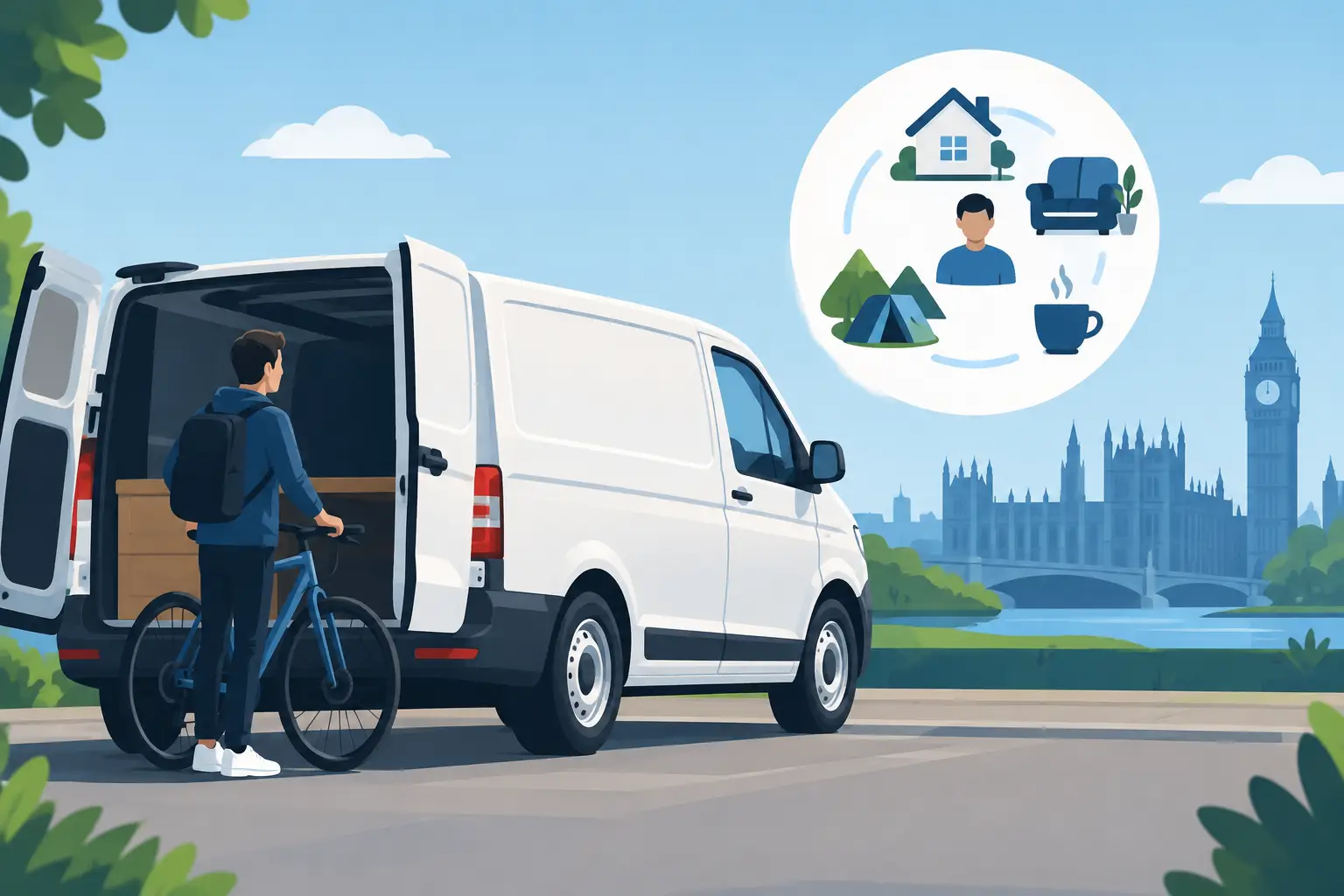
A van can make everyday life easier, whether you are collecting flat-pack furniture, taking the bikes away for the weekend or helping family move house. But does van cover personal use? Often, yes – but only if your policy includes the right class of use. Never assume that a van insured for work automatically covers every private journey you make.
The quickest way to check is to look at your certificate of motor insurance and policy schedule. Look for wording such as “social, domestic and pleasure”, often shortened to SDP. If the wording is unclear, ask your insurer before setting off. A short call now could prevent a difficult claim later.
Does van cover personal use on a standard policy?
Many UK van insurance policies include social, domestic and pleasure use as part of the cover. This normally allows you to drive your van for ordinary non-work purposes, such as shopping, visiting friends, going on holiday in the UK or taking rubbish to the tip.
That does not mean all personal journeys are covered under every policy. Van insurance is built around how the vehicle is used, and insurers can set different rules. A policy designed for a self-employed tradesperson may include private use as standard, while another may offer it as an optional extra or apply restrictions to named drivers.
Your policy documents matter more than a general assumption. Check the permitted use section rather than relying on the name of the policy or what was included on a previous van. If you have changed insurer at renewal, changed jobs or started using the van differently, the cover may no longer match your routine.
What social, domestic and pleasure use usually means
SDP cover is for driving that is personal rather than connected to earning money. Typical examples include a supermarket run, visiting relatives, driving to a campsite, taking a child to a sports club or using the van for a weekend DIY project.
It may also cover a partner or other named driver for their own personal trips, but only where that person is listed on the policy and their permitted use allows it. Do not assume that adding someone as a named driver gives them identical rights to the main policyholder.
Personal use does not change the type of insurance you have. Third party only, third party fire and theft, and comprehensive cover still determine what is protected if an accident, theft or fire occurs. SDP simply describes why you are driving at the time.
When personal use becomes business use
The line between private and work driving can be less obvious than it sounds. A journey does not need to involve a paying customer for it to count as business use.
Driving from home to your usual place of work is normally commuting. Travelling between different jobs, visiting clients, attending a training course, collecting materials or carrying tools to paid work can all require business-related cover. If you use the van to deliver goods, carry other people’s property or transport stock, you may need a more specific type of van insurance.
For example, a decorator who drives to a customer’s house with paint and equipment is using the van for their trade. A florist delivering paid-for bouquets needs delivery or courier cover, not just standard business use. A parent using an insured van to collect a second-hand wardrobe for their own home is usually making a personal journey.
Insurers may use terms such as carriage of own goods, haulage, courier work or hire and reward. These are not interchangeable. Choosing the wrong class can leave a gap in cover, so describe what you actually do in plain terms when getting quotes.
Can you use a work van for weekends and holidays?
You can if the policy includes private use. This is common, particularly where a sole trader uses one van for both work and home life. However, employers often insure fleet or company vans with limits on who can drive and when the vehicle can be used.
If the van belongs to your employer, check the company policy rather than relying on your own insurance. Some employers permit reasonable personal use, while others exclude it entirely. You may also need written permission under your employment contract, even if the insurance itself allows the trip.
For a holiday abroad, check that your policy provides the required European cover and for how long. Take any documents the insurer requires, and make sure breakdown cover, if you have it, also applies to your destination. Do this well before departure rather than at the ferry terminal.
Check these policy details before driving
A certificate gives a useful overview, but it may not tell the full story. Your schedule, endorsements and policy wording can add conditions that affect a claim. Pay particular attention to the following areas:
- Permitted drivers: Only named drivers, or drivers covered by the policy’s terms, can use the van. Age, occupation and licence restrictions may apply.
- Class of use: Confirm whether the policy includes SDP, commuting, business use, deliveries or carriage of goods.
- Vehicle use and modifications: Roof racks, shelving, signwriting, security upgrades and specialist equipment should be disclosed where required.
- Contents and tools: Comprehensive van insurance does not automatically mean your tools, stock or personal belongings are insured inside the van.
- Overnight parking: Insurers may ask where the van is normally kept. Saying it is garaged when it is regularly parked on the road can cause problems.
It is also worth checking the excess. A low premium can look attractive, but a high compulsory or voluntary excess may make a small claim less worthwhile. Compare the level of cover and the policy conditions alongside the price.
Why the right use class affects your premium
Insurers price risk based on the vehicle, driver, location, annual mileage and how the van is used. A van travelling to multiple sites each day, carrying valuable tools or making deliveries is exposed to different risks from one used mainly for weekend errands.
Being accurate does not always mean paying more than necessary. If you genuinely only use the van for personal journeys, do not select business use just because it sounds safer. Equally, do not choose SDP-only cover to cut the price if you carry out paid work with the van. The cheapest quote is poor value if it does not cover the journeys you actually make.
You can often control costs in other ways. Give a realistic annual mileage figure, consider whether a higher voluntary excess is affordable, improve security and pay annually if that works for your budget. Keeping the van in a secure location overnight may also help, depending on the insurer.
Common situations that catch van drivers out
A trip to a car boot sale can be personal use if you are clearing unwanted items from home. If you regularly buy goods to resell for profit, it may be business use. Similarly, carrying a friend’s sofa as a favour is different from charging for removals.
Using a van for a side hustle is another frequent grey area. Delivering takeaway meals, transporting party equipment for hire or selling at markets may all need cover beyond an ordinary van policy. Tell the insurer about any paid activity, even if it only happens at weekends.
Commuting can cause confusion too. A policy may cover SDP but exclude travel to a permanent workplace. If you work at one regular location, ask specifically whether commuting is included. If you travel to changing sites, explain that when arranging your cover.
Finally, do not rely on “driving other vehicles” cover from a car policy. It is not a substitute for van insurance, is often limited to third party cover and may not apply to a van at all. Check the policy wording before considering it.
Getting cover that fits how you use your van
Start with the real picture: who drives the van, where it is parked, what you carry, how many miles you cover and whether any journeys support paid work. Small details can change the type of cover needed, and getting them right helps insurers offer a more relevant price.
When comparing van insurance, use the same accurate information for each quote. That makes it easier to compare excesses, add-ons, permitted use and policy limits fairly, rather than choosing on headline price alone. UKcompare can help you compare options from a wide range of UK insurers, saving time when you need cover that reflects your actual driving.
If your use changes during the policy year, contact your insurer promptly. Starting a new job, adding delivery work or using the van for more personal mileage may need a policy update. The right time to check is before the journey that raises the question – then you can use your van with confidence, not crossed fingers.