
Moving house brings plenty of admin, but you should change car insurance address before the removal van arrives. Your postcode helps insurers calculate risk, so leaving an old address on your policy can mean the price and cover details are no longer accurate. It may take only a few minutes to update, but it could prevent a much bigger problem if you need to claim.
How to change car insurance address
Contact your insurer as soon as you know your moving date. Most providers let you amend an address through an online account, mobile app or by phone. Have your policy number, new full address and the date you will move ready before you start.
Be precise about where the car will be kept overnight. An insurer may ask whether it will be parked in a driveway, garage, private car park, permit-holder bay or on the road. It can also ask whether the vehicle is used at another address regularly, such as a partner’s home or a weekday work location.
Ask for confirmation once the change has been processed. Check the revised certificate and policy schedule carefully, including the start date of the amendment. If the insurer emails documents, save them somewhere you can find easily. A simple typo in a postcode or flat number is worth correcting straight away.
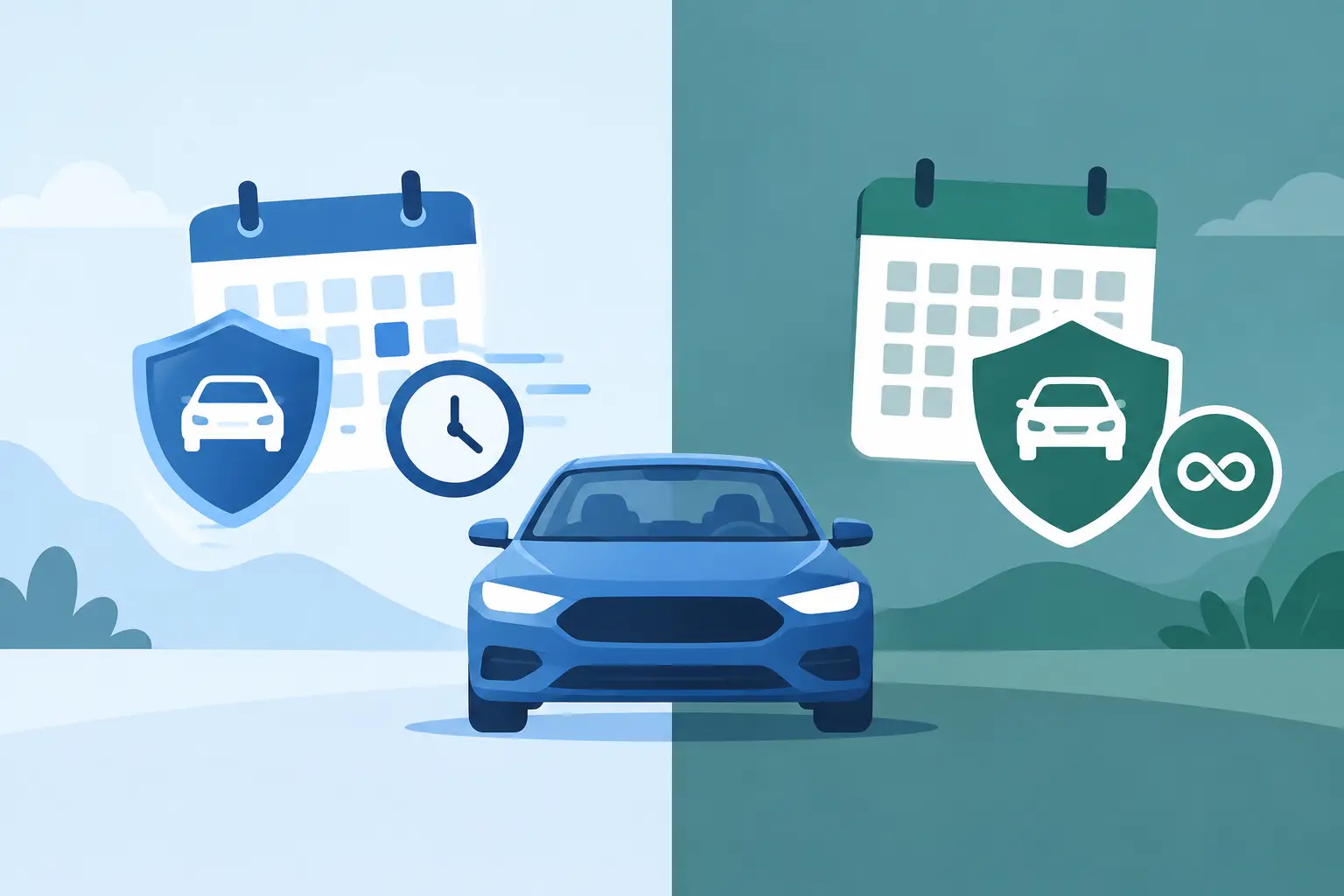
If your move is still a few weeks away, you can usually set the change to take effect on the future moving date. This is better than changing it too early and accidentally declaring that the car is kept at an address before it actually is.
Why your address affects car insurance prices
Car insurance is priced on risk, not just on the value of your car or your driving history. Insurers use postcode data to assess factors such as local theft levels, previous claims, traffic density, repair costs and the likelihood of accidents. The parking arrangement at your new property can matter too.
Moving to a quieter area with off-street parking may reduce your premium. Moving to a city centre, an area with more vehicle crime, or a property where your car is parked on the road could increase it. There is no universal rule that one type of postcode is always cheaper. Two streets close together can produce different quotes because insurers use their own data and rating methods.
Your new address may also affect other parts of the policy. A longer commute, different annual mileage or a change in where the vehicle is used can all influence the price. Tell the insurer about these changes at the same time rather than updating only the house number and postcode.
Will you pay an admin fee or get money back?
It depends on the insurer and the risk at the new address. Some providers charge a mid-term adjustment fee to make the change, while others do not. If the move makes your cover more expensive, you may need to pay the difference for the remaining months of the policy. If it makes the policy cheaper, the insurer may reduce your future payments or offer a partial refund.
Do not assume a cheaper postcode means an immediate saving. The fee can offset a small premium reduction, especially if your renewal is close. Ask for a full breakdown before agreeing to the amendment: the revised premium, any administration charge and the total amount due or refunded.
If the new price feels high, check whether you are allowed to cancel and arrange alternative cover. Be careful with this approach. Cancellation charges, the loss of any discount for paying annually, and a possible gap in cover can make switching more expensive than it first appears. Never cancel an existing policy until replacement cover has been accepted and you know exactly when it starts.
Tell your insurer before the move, not after
Your policy information must remain accurate throughout the cover period. Waiting until renewal, or until a claim happens, is a poor gamble. If an insurer discovers that the car was normally kept at a different address, it may investigate whether the correct premium was paid and whether the policy terms were met.
That does not mean every address error automatically invalidates a policy. Insurers consider the circumstances. But an undisclosed move can lead to a reduced claim payment, cancellation or difficulties arranging insurance later. Being open early is the simplest and safest option.
This matters especially if you are moving temporarily. Perhaps you are staying with family while a property is renovated, living between two homes after a separation, or spending a few months in rented accommodation. Explain where the car is mainly kept overnight and how long the arrangement will last. The insurer can tell you how it needs to be recorded.
Update these details at the same time
Changing your insurance address is only one part of moving with a car. Your vehicle registration and driving licence records need attention too, but they are separate tasks. Updating one does not automatically update the others.
You should notify DVLA of your new address for your driving licence and vehicle log book. The address on your V5C is particularly important because it identifies the registered keeper and is used for vehicle-related correspondence. Your finance company, if you have one, may also need your new details.
Check your direct debit details if your bank account is changing, and make sure your insurer has a working phone number and email address. If your named drivers are moving with you, confirm whether their addresses also need updating. A young driver listed on a policy but living at a different address from the one declared can affect the quote and, in some cases, the policy terms.
What if the insurer will not cover your new address?
Occasionally an insurer may be unable or unwilling to continue cover after a move. This can happen where the new location falls outside its underwriting criteria, where the vehicle’s parking arrangements have changed significantly, or where the revised premium is not acceptable to you.
Ask how long your existing policy can remain active and whether the insurer will cancel it or requires you to do so. Then arrange new cover to begin immediately after the old policy ends. Even a one-day gap can be costly and inconvenient. Unless your vehicle is officially declared off the road and kept off public roads, continuous insurance is generally required.
A change of address is also a sensible moment to review the policy itself. Check the voluntary excess, annual mileage, named drivers and level of cover. Fully comprehensive cover is not always more expensive than third party, fire and theft, so compare like for like rather than choosing only by policy label. Paying annually, where affordable, can also cost less overall than monthly instalments because monthly payments may include interest.
Comparing quotes after a move
If moving changes your premium, do not judge the result on one insurer’s renewal figure alone. Enter the same accurate details for each quote: the new address, overnight parking, expected mileage, occupation, claims history and no-claims discount. Small inconsistencies can make a cheaper quote look better than it really is.
Look beyond the headline price as well. Consider the compulsory and voluntary excess, windscreen cover, courtesy car terms, legal expenses and any restrictions on repairs. The lowest premium can be good value, but only if the cover works when you need it.
UKcompare helps drivers compare car insurance quotes from a wide range of registered UK insurers, saving the effort of approaching providers one by one. Who Compares Wins, particularly when a move has changed the details insurers use to price your cover.
Common questions about changing your address
Do I need to change my car insurance address if I move in with my parents?
Yes, if that is where you and the car will normally be based. Give the insurer the address where the vehicle is chiefly kept overnight, even if you still receive some post elsewhere. If you split your time between addresses, explain the arrangement before making assumptions.
Can I change my address on car insurance at renewal?
You can include the new address when you renew if you have not moved yet and the new policy will start after the move. If you have already moved during the current policy, tell the insurer now. Do not wait for renewal.
Does changing address affect my no-claims discount?
Usually, no. Your no-claims discount reflects your claims record, not your postcode. However, the overall premium can still rise or fall because the address changes the insurer’s assessment of risk.
A new home should feel like a fresh start, not an insurance headache. Tell your insurer promptly, check the revised figures and compare accurate quotes if the cost has changed. A few focused minutes now can keep your cover correct and your motoring budget under control.