
A renewal price lands in your inbox, and it is higher than last year despite no claims and no change to your car. That is the moment cheap car insurance quotes matter most. A quick comparison can reveal a better price, but the real saving comes from comparing like for like and only paying for cover you genuinely need.
The cheapest number on screen is not automatically the best policy. Your policy must still meet your legal requirements, reflect how you use your car and give you enough protection if something goes wrong. The aim is simple: get a competitive premium without discovering that a vital feature was missing when you need to claim.
How to Find Cheap Car Insurance Quotes
Insurers do not all assess risk in the same way. One may place more weight on your postcode, another on your occupation, annual mileage, parking arrangements or the exact model of your car. That is why getting several quotes can be more effective than simply accepting a renewal offer.
Start with accurate details. It may be tempting to estimate a lower mileage figure or select a job title that sounds close enough, but inaccurate information can lead to a revised premium, a rejected claim or cancelled cover. Use your current MOT history, service records and commute details to make a sensible mileage estimate. If your circumstances change during the policy year, tell the insurer.
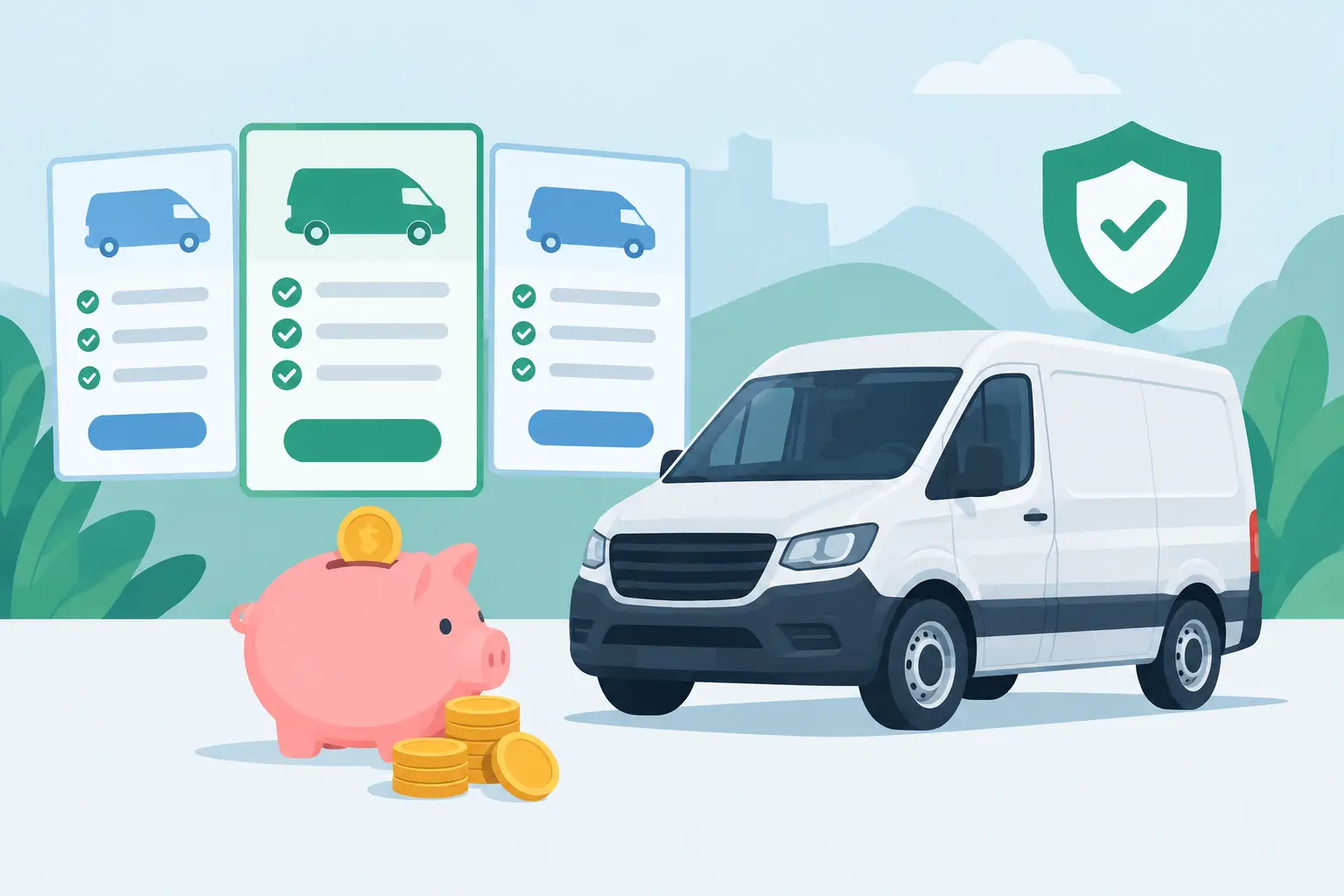
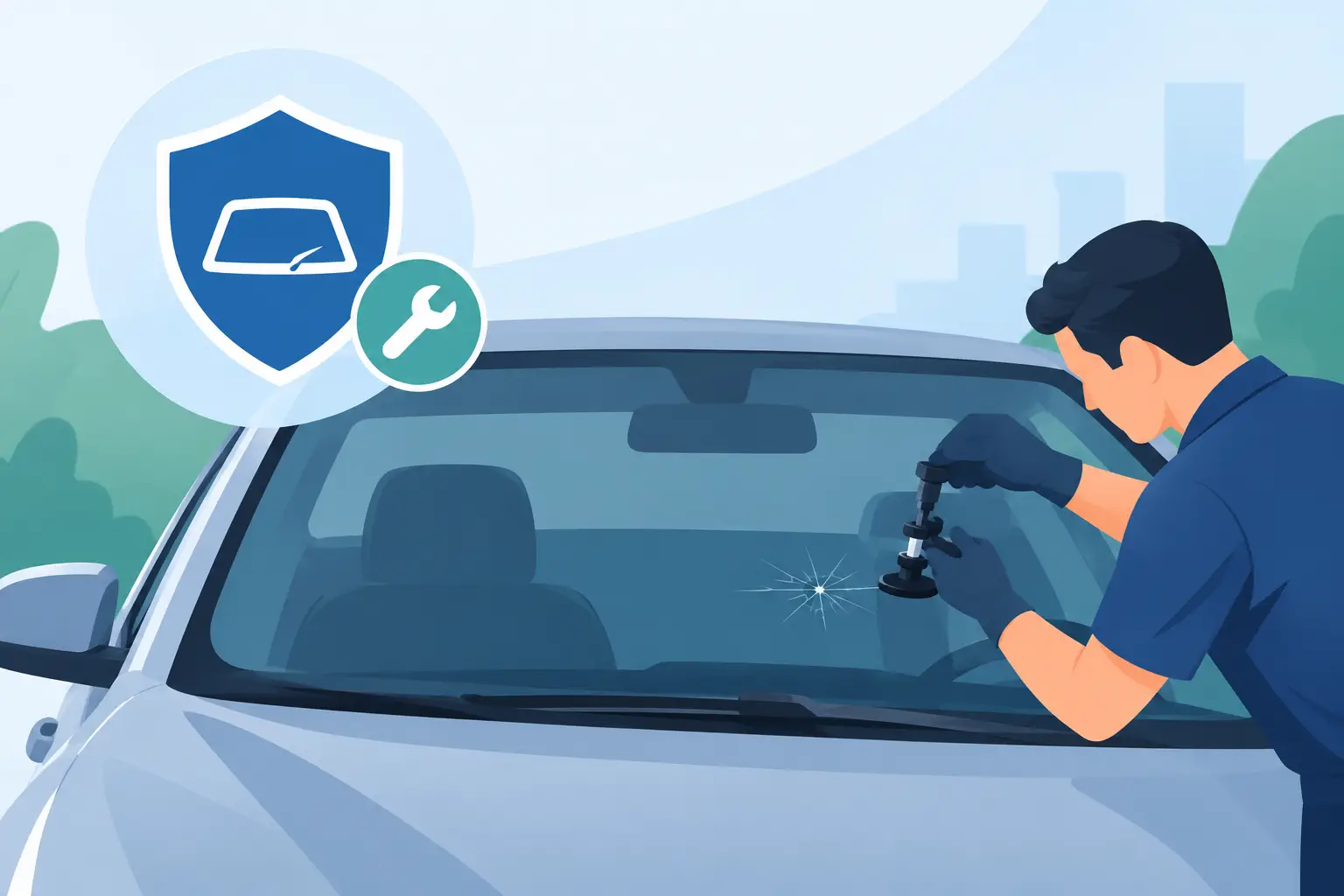
When comparing policies, make sure the basics line up. Check the cover type, voluntary excess, compulsory excess, repair arrangements, courtesy-car provision and whether windscreen cover is included. A policy that costs a little more may represent better value if it has a lower excess or offers features you would otherwise have to buy separately.
Compare before your renewal date
Leaving car insurance until the final day can limit your options. Insurers often view last-minute purchases as a higher risk, while arranging cover in advance can give you more choice and, in some cases, a better price.
Get quotes a few weeks before your renewal is due, then check again if your circumstances or prices change. Do not cancel existing cover until you have confirmed the start date and full details of your new policy. Even a one-day gap in insurance can create an unnecessary problem.
Choose the right level of cover
Third party only is the minimum legal cover for driving on UK roads, but it is not always the least expensive option. Comprehensive policies can sometimes cost less because insurers use their own claims data and pricing models rather than following a simple cover hierarchy.
Third party, fire and theft may suit some drivers, particularly where the car has a lower value, but it will not cover accidental damage to your own vehicle. Comprehensive cover can include more protection, although the precise benefits vary by provider. Compare the policy wording and price together rather than assuming one option is automatically cheaper.
What Actually Lowers Your Premium?
There is no single trick that guarantees cheap car insurance quotes. Prices are personal and depend on the insurer’s assessment of risk. However, several choices can reduce avoidable costs when they genuinely fit your circumstances.
First, consider your annual mileage. Lower mileage can mean less time exposed to road risk, but only declare a figure you can reasonably stay within. If you start a new job with a longer commute, update your insurer rather than hoping it will not matter.
Where possible, improve how and where your car is kept. Parking in a locked garage is not always cheaper than parking on a driveway – local claims patterns can affect the result – so answer honestly and let the quotes guide you. Approved alarms, immobilisers and secure parking may help for some vehicles, especially models that are attractive to thieves.
Your voluntary excess is another lever. Agreeing to pay more towards a claim can reduce the premium, but only set an amount you could comfortably afford alongside the compulsory excess. A £200 saving on the annual premium is poor value if a modest repair leaves you facing an excess you cannot pay.
Paying annually can also cost less than monthly instalments, as monthly payments commonly involve credit and interest. If paying in one go would put pressure on your finances, monthly cover may still be the practical choice. Compare the total amount payable, not just the monthly figure.
Adding an experienced named driver can sometimes help a newer driver obtain a more competitive quote, provided they genuinely use the car. The main driver must always be named correctly. Putting a parent or partner down as the main driver when the young driver uses the car most is known as fronting and can invalidate the policy.
Check the Extras Before You Buy
Extras are not automatically unnecessary. They can be worthwhile if they solve a problem you would struggle to manage yourself. The key is to avoid paying twice for the same protection or adding services simply because they appear during checkout.
Breakdown cover may be useful for frequent motorway journeys, long commutes or an older car, but check whether you already have cover through a bank account, vehicle warranty or another membership. Legal expenses cover can help with uninsured losses after a non-fault accident, while protected no-claims discount may be valuable for drivers with several years of claim-free motoring. Neither is essential for everyone.
Courtesy-car cover deserves close attention. Some policies provide a small replacement vehicle only while yours is being repaired at an approved garage. That is different from guaranteed hire-car cover if your vehicle is written off or stolen. If you rely on your car for school runs, caring responsibilities or travelling to work, that distinction could matter more than a small difference in premium.
Avoid False Economies
A low quote can become expensive when it does not fit your driving. Business use is a common example. If you drive between sites, visit clients or use your car for work beyond commuting, select the correct class of use. Standard social, domestic, pleasure and commuting cover may not be enough.
Similarly, modifications must be declared. Alloy wheels, performance changes, body kits, remaps and even some cosmetic alterations can affect the insurer’s view of the car. Declaring modifications may increase the price, but failing to do so risks your cover when you need it most.
Be cautious with quote details that look unusually favourable. An incorrect address format, an unrealistic job description, a lower-risk parking location or an omitted claim can all create a price that cannot be honoured. Honest answers protect both your premium and your ability to claim.
Build a Better Quote for Next Year
The choices you make during the year can influence future premiums. Drive carefully, avoid unnecessary claims where the cost is below your excess, and keep proof of your no-claims discount. But do not avoid making a legitimate claim purely to preserve a discount. A repair bill, theft or liability claim can be far more costly than any future premium increase.
Before changing cars, it is worth checking insurance groups and obtaining sample quotes for the models on your shortlist. Two cars with similar purchase prices can attract very different premiums because of repair costs, theft rates, parts availability and claims history. A slightly less powerful model with widely available parts may cost less to insure and run.
For households with more than one vehicle, compare separate policies with multi-car cover. A multi-car policy can be convenient and may offer a saving, but separate quotes can occasionally be cheaper. It depends on the drivers, vehicles and renewal dates, so let the numbers decide.
Getting cover should not feel like a test of patience. UKcompare helps drivers compare quotes from a broad panel of registered UK insurance companies, so you can spend less time visiting individual insurer websites and more time checking what you are actually buying.
The best time to look for a better deal is before you feel forced to accept one. Get your details ready, compare cover as carefully as price, and choose the policy that protects your car, your budget and the journeys ahead. Who Compares Wins!