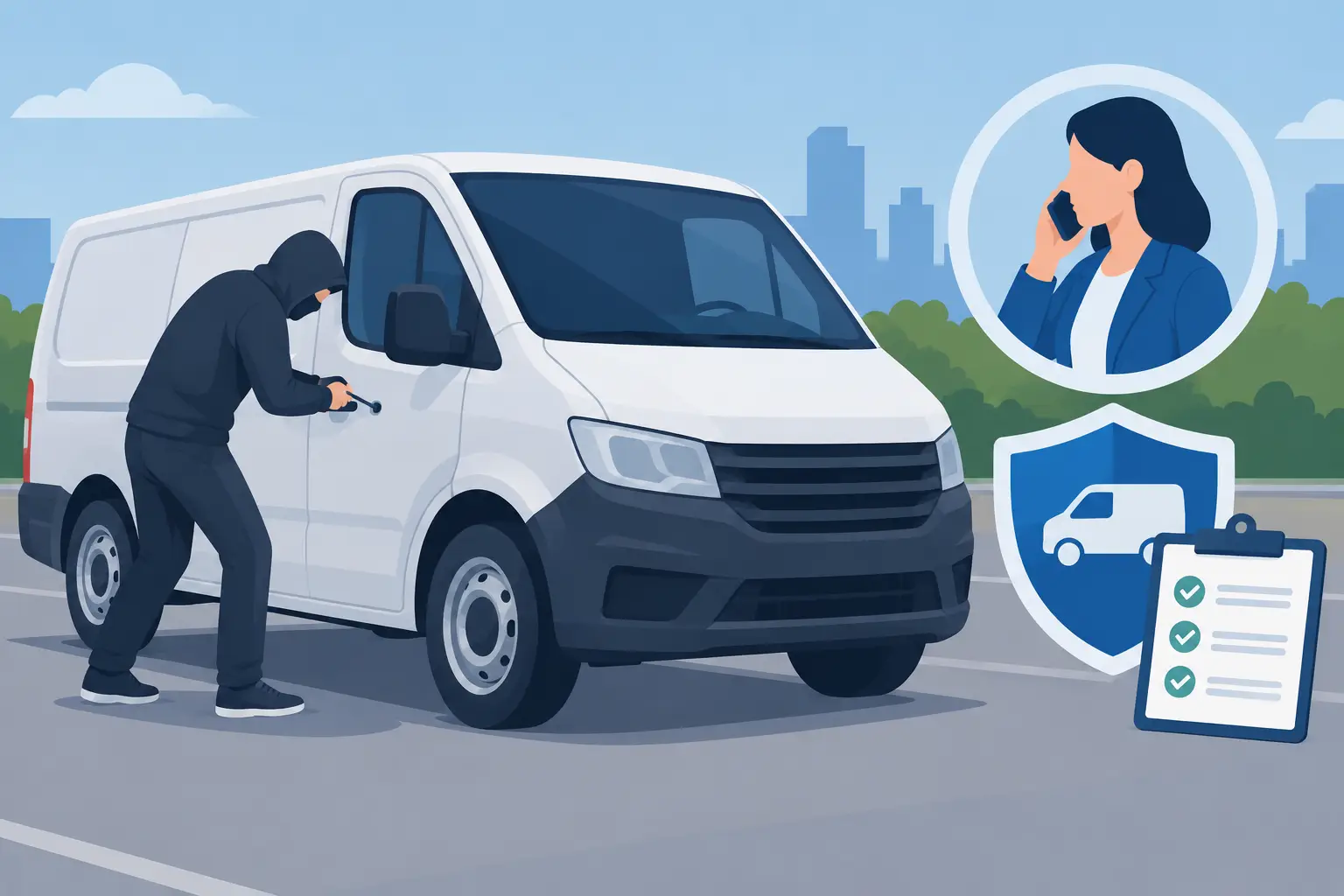
A broken side window, cut lock or missing tool bag can stop a working day before it starts. For tradespeople and mobile professionals, learning how to protect van tools is not just about replacing equipment – it is about avoiding missed jobs, upset customers and lost earnings.
Tool theft from vans remains a real concern across the UK, particularly where vehicles are left overnight on driveways, streets and busy worksites. No single product makes a van theft-proof, but several sensible layers of security can make it much harder, noisier and less worthwhile for a thief to target yours.
Start with the tools you leave in the van
The safest tools are the ones that are not in the vehicle. That is not always practical after a long day or before an early start, but it is worth making it your default wherever you can. Take high-value cordless tools, diagnostic equipment, laser levels and specialist kit indoors overnight, especially if the van is parked at home.
If carrying everything inside is unrealistic, avoid leaving tools loose and visible through the windows. A plain bag on the passenger seat can be as tempting as an expensive case. Store equipment out of sight before you park, rather than after arriving, so nobody sees what is being loaded into the rear.
Think about which items would be hardest to replace quickly, not simply which cost the most. A modestly priced but specialist tool may cause more disruption than a common drill available from any local supplier.
How to protect van tools with physical security
Your van’s factory locks are only the first barrier. Many vans have vulnerable rear and side loading doors, so additional security can be a sensible investment. The right choice depends on your van, where it is parked and the value of what you carry.
Consider combining several of the following measures:
- External deadlocks or slamlocks for side and rear doors, fitted by a reputable professional.
- Internal door shields or anti-peel plates to help resist attacks around door seams.
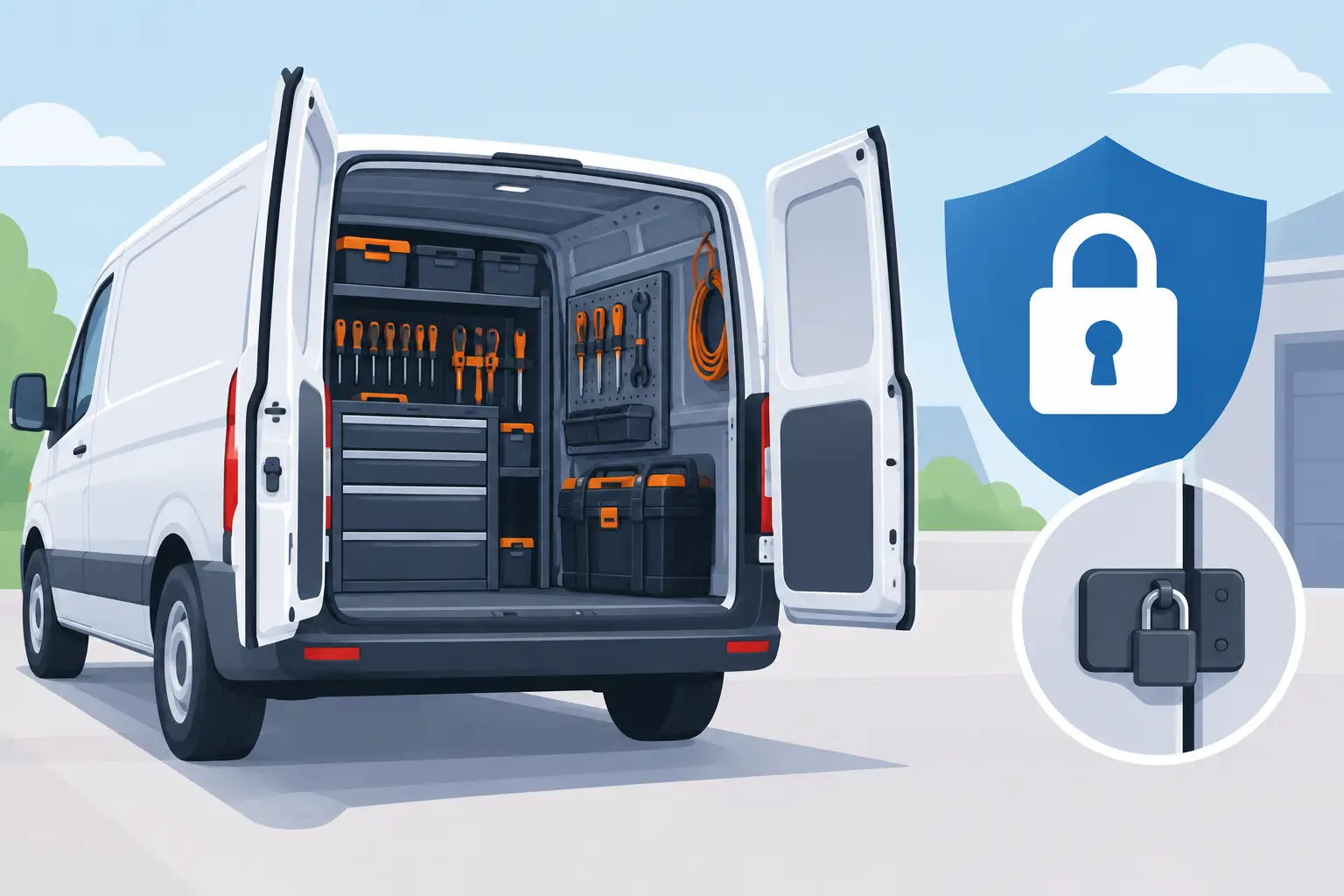
- A lockable tool vault or secure storage drawer, fixed firmly to the van.
- An alarm, immobiliser or tracking system suitable for commercial vehicles.
- Security-marking products that make tools easier to identify and less attractive to sell on.
Deadlocks can offer strong protection when a van is left unattended, but they need to be locked manually. Slamlocks lock automatically when the door closes, which can suit multi-drop work and busy sites. The trade-off is convenience: locking yourself out is possible, so keep procedures simple and make sure anyone using the van understands them.
A secure tool box is useful only if it is properly installed. A loose metal box can be removed along with its contents. Choose a product designed for vehicle use and have it fitted according to the manufacturer’s instructions. It should also be positioned so it does not affect safe loading, access to emergency equipment or the van’s payload limits.
Do not overlook the cab
The cab is often the quickest point of entry. Remove portable sat-navs, mobile phones, wallets, keys and paperwork from view. Avoid leaving job sheets showing your home address, client details or a list of the equipment you carry.
If your van has an internal bulkhead, keep it secure. A solid, correctly fitted bulkhead can slow access from the cab into the load area, buying valuable time if a window is smashed.
Park with security in mind
Where and how you park makes a material difference. At home, a locked garage is ideal. If that is not an option, park close to your property in a well-lit spot where the van is visible from your home. Reversing towards a wall, gate or another vehicle can make rear-door access more difficult, provided you still park safely and legally.
When working away, use busy, well-lit car parks where possible and avoid leaving the van in isolated areas for long periods. If your job requires tools to stay in the vehicle during the day, park with the loading door facing a wall or obstruction when practical.
CCTV can deter opportunistic thieves and may help after an incident, but it is not a replacement for locks. Similarly, a visible alarm sticker can be useful, yet it needs the backing of an alarm that works. The best approach is to make entry awkward, removal slow and attention likely.
Make your tools identifiable
A clear tool inventory will not prevent theft, but it can improve your chances of recovering items and make an insurance claim easier to support. Record the make, model, serial number and current replacement cost of each important tool. Take clear photographs, including any distinctive marks.
Use a recognised marking system or permanently mark tools with your business name, postcode or a unique reference. Avoid putting your full home address where it can be easily read. Visible markings can make it harder for stolen equipment to be resold, while hidden identifiers can assist if police recover it.
Update your inventory after buying new kit. Keep a copy somewhere other than the van, such as secure digital storage, and retain receipts where possible. This takes little time compared with trying to remember every item after a theft.
Check your van insurance before you need it
Many drivers assume comprehensive van insurance automatically covers every tool in the back. That is not always the case. Cover for tools, stock, personal belongings and equipment can vary widely between policies, and may have separate limits, exclusions or security conditions.
Read the policy wording carefully and check what applies when the van is unattended, overnight or parked at home. Some policies may require forcible entry, approved locks, an alarm or tools to be stored in a locked compartment. Others may limit cover to certain types of equipment or exclude items left in the vehicle between set hours.
Also check the single-item and total claim limits. If you carry several cordless-tool kits, specialist testing equipment or expensive hand tools, a basic limit may not be enough to replace everything. Underinsuring can leave you paying a large shortfall at exactly the point cashflow is under pressure.
When comparing van insurance, be accurate about how you use the vehicle, where it is kept overnight and whether you carry tools or goods. Choosing the cheapest premium without checking the cover can prove expensive later. Compare the excess as well as the price, and ask whether approved security upgrades could affect your premium or policy terms.
Build a simple end-of-day routine
Security is most effective when it becomes routine rather than a job you remember only after a local theft. Before leaving the van, lock tools away, clear the cab, check every door is secure and take removable high-value equipment inside. If you have an alarm or tracker, confirm it is armed and functioning.
It also pays to inspect locks, hinges and door edges regularly. Damage around a lock, fresh scratches or a door that no longer closes properly could indicate an attempted break-in. Deal with it promptly rather than hoping it holds until the next service.
If theft does happen, report it to the police as soon as possible, obtain a crime reference number and contact your insurer without delay. Give accurate information, share your inventory and photographs, and do not dispose of damaged locks or glass until your insurer confirms what evidence they need.
Protect your ability to keep working
The practical cost of tool theft is usually bigger than the replacement bill. You may lose a day sourcing equipment, postpone booked work and face hire charges while replacements arrive. Keeping a small emergency fund, knowing a local hire supplier and retaining older backup tools for essential jobs can reduce that disruption.
Security upgrades cost money, and not every van needs every device. But a combination that fits your vehicle, working pattern and tool value is usually better than relying on one lock or one insurance policy. Get your details right when comparing cover, protect the equipment that earns your living, and give thieves every reason to walk past your van. Who Compares Wins!