A driver pulls out of a side road and catches the front corner of your car. They apologise, give you their details, then you discover their policy had lapsed weeks earlier. This uninsured driver claim example shows why your actions in the first hour can make a real difference to the claim, your excess and your no-claims discount.
Uninsured drivers create a stressful situation, but you still have options. The right route depends on your own policy, the evidence available and whether the other driver can be identified. Acting quickly, keeping clear records and speaking to your insurer can help keep a bad day from becoming a costly one.
An uninsured driver claim example in practice
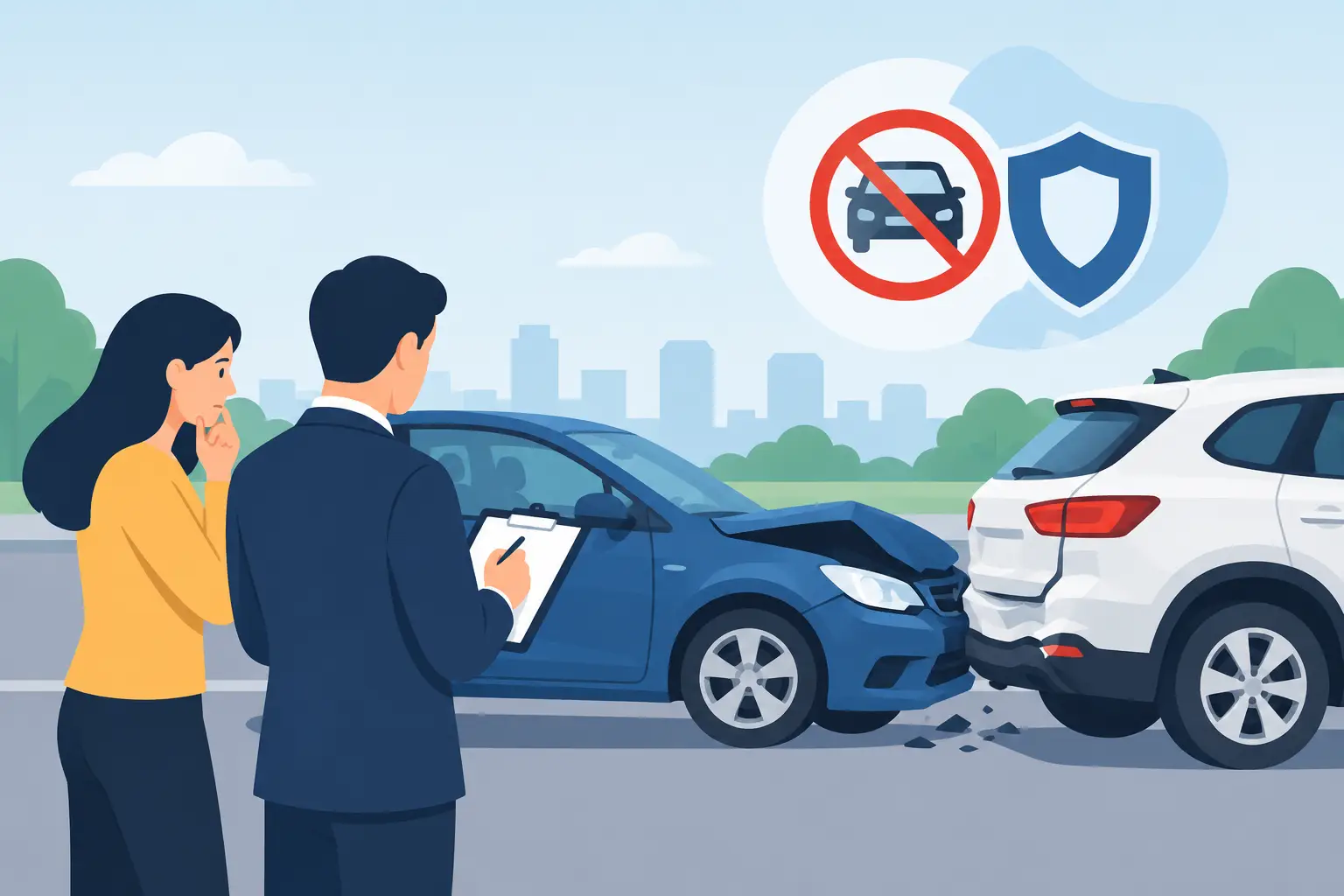
Imagine that Priya is driving home from work when another car changes lanes without checking its mirror and hits her passenger-side door. Both vehicles stop safely. The other driver says they are insured, but Priya uses their registration to check later and finds no valid motor insurance is recorded.
Priya takes photographs of the scene, the damage, both registration plates and the road markings. She notes the time and location, exchanges contact details and gets the names and numbers of two witnesses. Because the collision has caused damage and she suspects the other driver may not be insured, she reports it to the police.
Priya has comprehensive car insurance, so she contacts her insurer straight away. Her insurer arranges an assessment of the damage and starts the claim. Depending on the policy terms, Priya may initially need to pay her excess while repairs are authorised. Her insurer then investigates and may seek to recover its costs from the uninsured driver or through the appropriate compensation process.
If the other driver is confirmed as uninsured, Priya’s insurer may be able to deal with the matter without treating it like a normal at-fault claim. Some comprehensive policies include uninsured driver protection, which can preserve a no-claims discount and refund the excess if the insurer can establish that the other driver was responsible. The detail varies between insurers, so never assume this protection applies automatically.
The key point is that Priya does not wait to see whether the other driver calls back. She reports the incident promptly, gives accurate information and lets her insurer guide the claim.
What happens if you are hit by an uninsured driver?
There are usually two possible routes. If you have comprehensive cover, you can normally claim through your own insurer for damage to your vehicle, subject to your policy wording. This can be the quickest practical option when you need repairs, a replacement vehicle or help arranging recovery.
If you only have third party, fire and theft cover, your own policy will not usually pay for repairs to your car after an accident that was someone else’s fault. You may need to pursue the uninsured driver directly or make an application through the Motor Insurers’ Bureau, commonly known as the MIB. The MIB helps compensate people injured or affected by uninsured and untraced drivers in qualifying cases.
An MIB claim can be particularly relevant where the at-fault driver has no insurance and cannot meet the cost of the damage themselves. It can also be the route to consider where a driver fails to stop and cannot be traced. The process, eligibility rules and deductions can differ depending on whether the driver is known but uninsured, or entirely untraced.
Do not delay notifying your insurer simply because you think you may use the MIB. Your policy will usually require you to report an accident, even where you do not intend to make a claim. Early notification also creates a clear record while the facts, witnesses and evidence are still available.
Will your no-claims discount be affected?
It depends on your cover and the outcome of the investigation. A standard comprehensive claim can affect your no-claims discount until your insurer recovers its costs or confirms that uninsured driver protection applies. If you have protected no-claims discount, that may limit the effect of a claim, but it does not mean the overall price of your renewal cannot change.
Ask your insurer three direct questions: whether you have uninsured driver protection, whether you need to pay an excess now, and what evidence is needed to protect your no-claims discount. Getting the answer in writing or through your claim notes avoids confusion later.
What to do at the scene
Your priority is safety. Stop somewhere safe, switch on your hazard lights if needed and check whether anyone is hurt. Call 999 if there are injuries, a road danger or an immediate need for police assistance. For a non-emergency report, use the appropriate police reporting route as soon as you can.
Avoid admitting fault or agreeing to settle the damage privately at the roadside. A driver who says they will pay cash for repairs may later deny responsibility, disappear or dispute the amount. Let the insurers assess the evidence and liability.
Gather as much factual information as you reasonably can. The most useful evidence includes:
- photographs of both vehicles, damage, number plates, the road layout and any debris or skid marks;
- the other driver’s name, address, vehicle registration and contact number;
- witness names and contact details, ideally with a brief note of what they saw;
- dash-cam footage, saved before it records over the incident; and
- the time, date, weather, location and a simple account of how the collision happened.
If the other driver becomes aggressive or tries to leave, do not put yourself at risk to stop them. Record the registration if it is safe to do so, then contact the police. A clear description of the vehicle and driver can also help.
How an insurer will assess the claim
Your insurer will look at liability, policy cover, the damage and the available evidence. A photograph showing the position of the vehicles may carry more weight than a later disagreement about who changed lanes first. Witness evidence and dash-cam footage can be especially helpful where the other driver disputes what happened.
The insurer may arrange a repair through an approved garage, inspect the vehicle or ask you to obtain an estimate. If the car is unsafe to drive, tell them immediately. Some policies provide a courtesy car, but the level of replacement vehicle cover differs, so check rather than assume.
For a write-off, the insurer will assess the car’s market value immediately before the accident, less any applicable excess. Optional extras such as guaranteed asset protection are separate products and are not included as standard in every policy.
Even when the other driver has no insurance, it is still worth giving your insurer every detail. A successful recovery can affect whether your excess is refunded and how the claim is recorded. Keeping copies of emails, claim references, repair invoices and police incident numbers makes follow-up easier.
Reducing the financial risk before a claim happens
No policy can prevent another person driving uninsured, but the right cover can reduce the financial shock. Comprehensive insurance may give you a more straightforward route to repairs after a non-fault accident. Uninsured driver protection is also worth checking when comparing policies, especially if keeping your no-claims discount matters to you.
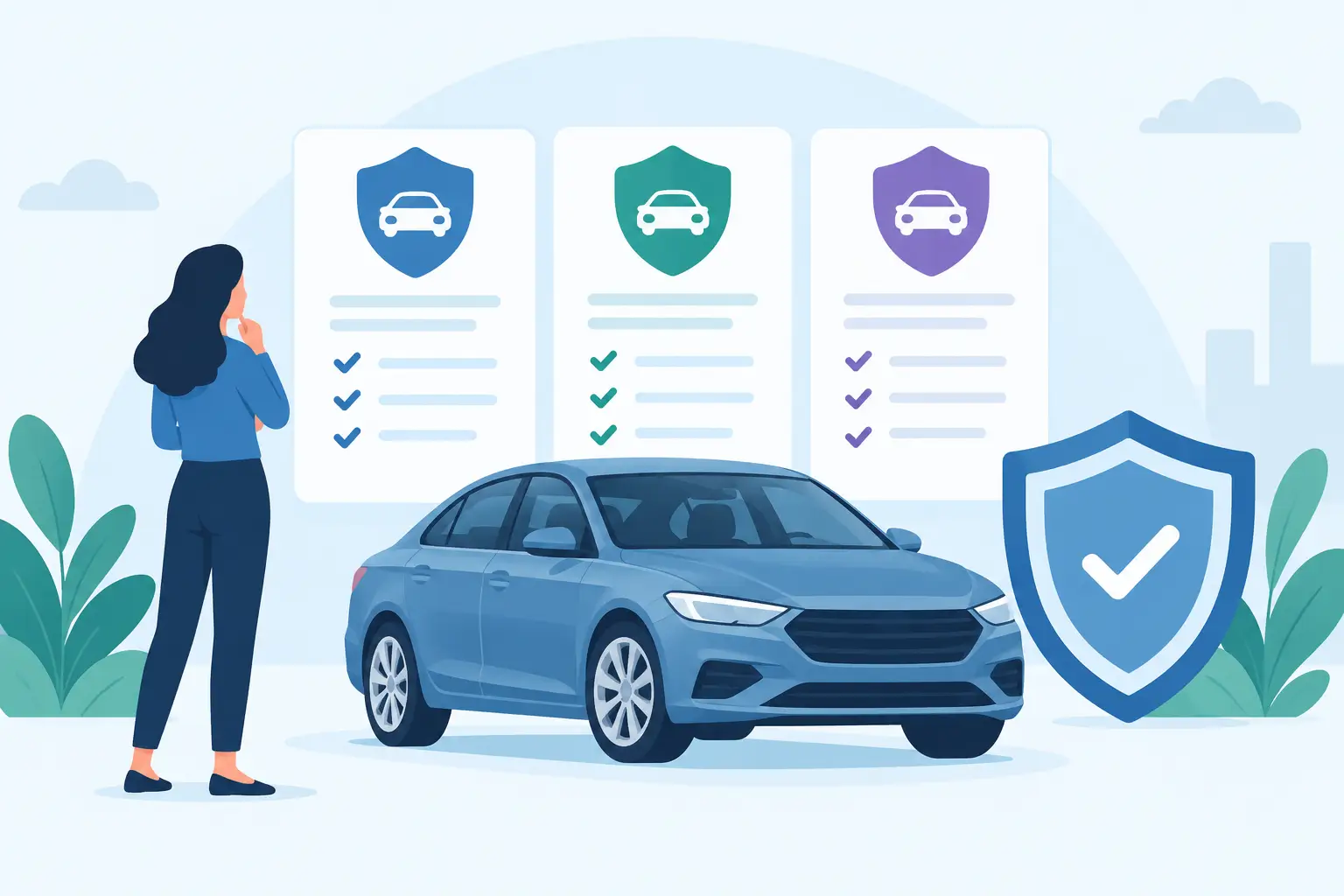
Price still matters, but the cheapest quote is not always the best value if it leaves you with a high excess or limited support after an accident. Compare the compulsory and voluntary excess, courtesy car terms, windscreen cover, legal expenses options and any protection for claims involving uninsured drivers. A slightly different premium can buy cover that is much more useful when something goes wrong.
You can also help keep premiums manageable by being accurate about mileage, parking arrangements, vehicle modifications and drivers on the policy. Paying annually can cost less than monthly instalments, while sensible voluntary excess choices and improved vehicle security may also reduce the price. Only choose an excess you could comfortably pay after an accident.
UKcompare can help you compare car insurance quotes from a wide range of UK insurers, so you can weigh price against the features that matter to you. Who Compares Wins!
If an uninsured driver hits you, focus first on safety, evidence and a prompt report. A calm, well-documented claim gives you the best chance of getting back on the road without paying more than you need to.