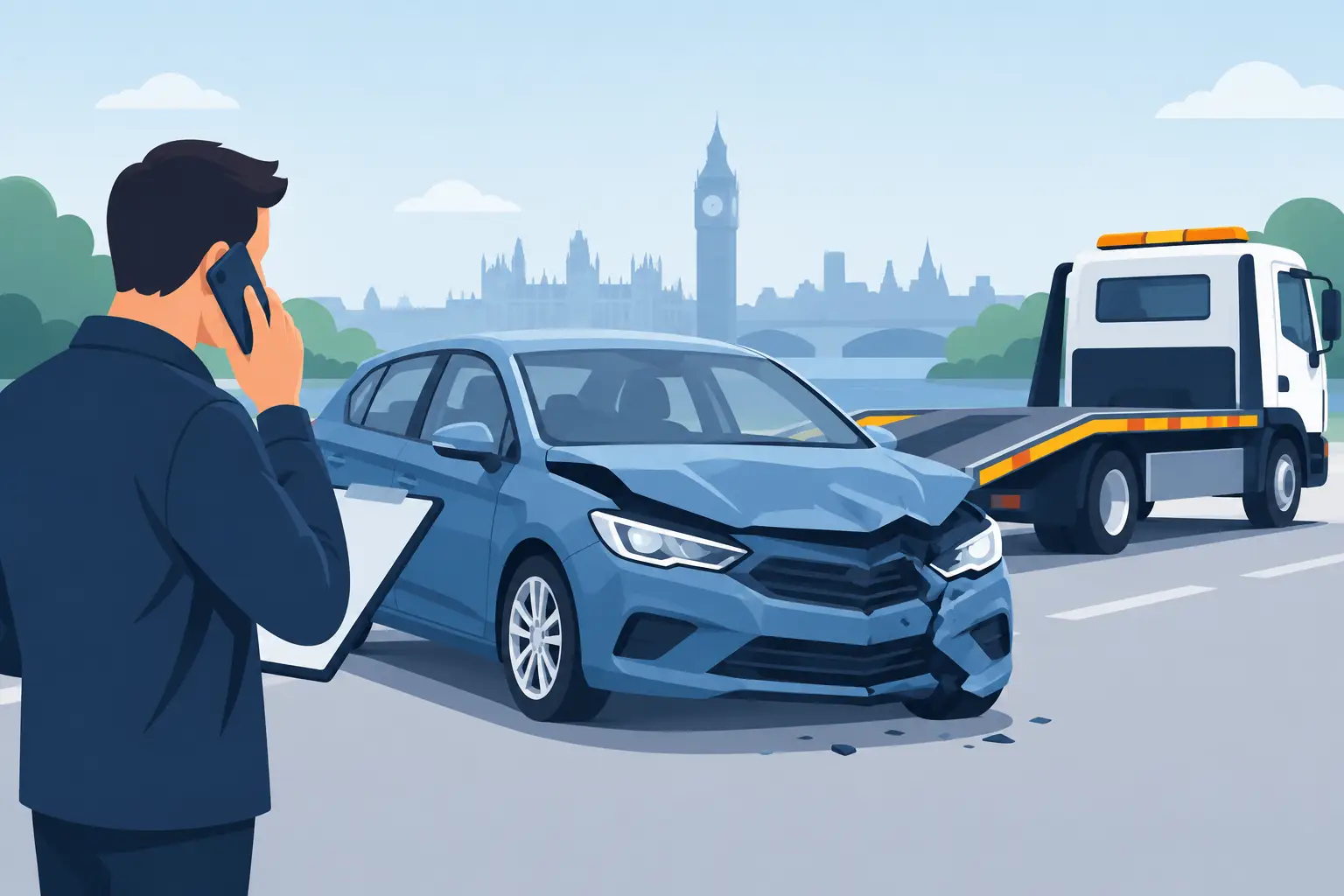
A damaged car, van or motorbike does not have to be beyond repair to become one of the vehicle write offs insurers deal with every day. If the cost of repairing it, hiring a replacement and handling associated costs outweighs its pre-accident value, an insurer may decide it is not economical to repair. That can be frustrating when the vehicle still drives, but knowing the process puts you in a far stronger position to check the offer, make decisions and arrange your next cover.
What does it mean when a vehicle is written off?
A write-off is an insurance decision, not always a verdict that a vehicle cannot physically be repaired. An assessor examines the damage and estimates the cost of returning the vehicle to a safe, roadworthy condition. The insurer then compares that figure with the vehicle’s market value immediately before the incident.
The calculation can include more than parts and labour. Modern vehicles may need specialist diagnostics, calibrated safety systems or expensive panels. A seemingly modest impact can therefore produce a repair estimate that is uneconomical. Storage, recovery and courtesy-car costs can also influence the decision.
If your insurer writes off your vehicle and you accept its settlement, it will usually take ownership of it. In return, it offers a cash payment based on its assessment of the vehicle’s pre-accident market value, subject to your policy terms and any excess due. If the accident was not your fault, your insurer may later try to recover its costs from the responsible driver’s insurer, but you should still follow your own insurer’s claims process.
Vehicle write offs: the UK insurance categories
Insurers use salvage categories to show the severity and type of damage. These categories matter to owners, buyers and future insurers.
Category A
Category A vehicles must be crushed completely. They have suffered severe damage and no parts should be salvaged for reuse.
Category B
A Category B vehicle cannot return to the road. However, some parts may be removed and reused safely. The bodyshell or frame must be crushed.
Category S
Category S means the vehicle has sustained structural damage. This can involve a chassis leg, crumple zone, suspension mounting or other structural area. It may be repaired and returned to the road, but only if the work is completed properly and the vehicle is safe.
Category N
Category N means there is no recorded structural damage, but that does not automatically make it a minor repair. Damage may involve steering, brakes, electrical systems, bodywork or safety equipment. A Category N vehicle can be repaired and used again, provided it is roadworthy.
The categories describe the insurer’s assessment following a particular incident. They are not a quality guarantee. A repaired Category S or N vehicle can be a sensible purchase at the right price, but it deserves extra checks and a clear repair history. An MOT alone does not prove that accident repairs were completed to a high standard.
How an insurer values your car, van or motorbike
The settlement should reflect the amount it would have cost to replace your vehicle with one of the same make, model, age, mileage, specification and condition just before the loss. This is often called its market value. It is not necessarily the price you paid, what you still owe on finance, or the price of a brand-new replacement.
Before accepting an offer, check it carefully. Gather adverts for genuinely comparable vehicles, ideally from reputable dealers as well as private listings. Note the registration year, trim level, engine, mileage, service history, condition and valuable factory-fitted options. A van’s racking, signage or conversion may not be included automatically, while a motorbike’s modifications may only be covered if declared.
If you believe the offer is too low, ask the insurer to review it and send your evidence. Be realistic: asking prices are not always achieved sale prices, and a low-mileage example with a higher trim is not a direct comparison. Still, clear evidence can make a real difference where the initial valuation misses important details.
Your policy excess may be taken from the settlement, depending on the circumstances and cover. Check whether you have a compulsory excess and a voluntary excess. If another party is responsible and your insurer recovers the full claim cost, it may refund your excess later, but this is not guaranteed and can take time.
Can you keep a written-off vehicle?
Sometimes, yes. This is often called retaining the salvage. Category A and B vehicles cannot be retained for road use. With a Category S or N vehicle, an insurer may allow you to buy it back for its salvage value, then arrange the repairs yourself.
It can look like a cheap way to keep a familiar vehicle, especially when the damage appears cosmetic. But do the sums before agreeing. You will receive a reduced settlement because the salvage value is deducted. You are then responsible for recovery, repairs, inspections, replacement parts and making sure the vehicle is safe and legal to drive.
Tell the insurer what you want before the claim is settled. Once it has collected and disposed of the vehicle, changing your mind may not be possible. If you retain it, keep invoices, photographs and records of all work. They will help when you insure, sell or part-exchange it later.
Finance, lease vehicles and GAP insurance
A settlement can create a difficult gap if your vehicle is on finance, particularly early in an agreement. The insurer pays the market value, while the finance balance may be higher. You remain responsible for the difference unless GAP insurance or another arrangement covers it.
Contact the finance company as soon as you know the vehicle may be written off. Do not stop monthly payments without its agreement. The finance provider has an interest in the vehicle and may need to approve the settlement or receive payment directly.
For leased vehicles, contact the leasing company straight away too. Its end-of-contract charges, replacement arrangements and insurance requirements may differ from a standard ownership claim. Van owners should also check whether tools, stock and specialist equipment are insured separately, as vehicle cover may not protect everything carried inside.
What to do after an accident
Your priority is safety. Stop where it is safe, call emergency services if anyone is injured or the road is dangerous, and exchange details with the other driver. Take photographs of the scene, damage, road layout and number plates if you can do so safely. Note witnesses and avoid admitting fault at the roadside.
Report the incident to your insurer promptly, even if you are unsure about claiming. It needs the chance to assess the damage and arrange recovery where necessary. Do not authorise repairs or dispose of the vehicle before speaking to it, as this could complicate the claim.
Keep a file containing correspondence, recovery details, receipts and valuation evidence. If you need a replacement vehicle quickly, check what your policy provides for a courtesy car. Comprehensive insurance does not always mean a like-for-like replacement, and availability may depend on your policy and repair route.
Insuring a previously written-off vehicle
A repaired Category S or Category N vehicle can usually be insured, but insurers will want accurate information. Declare its write-off history whenever you are asked. Failing to do so could affect a future claim or lead to cover being cancelled.
Premiums and available cover vary. Some insurers may charge more or limit cover because they consider repair quality, valuation uncertainty and future claims risk. Others may quote competitively, particularly where the vehicle has been professionally repaired and documented. Comparing quotations is the practical way to see the real cost for your circumstances.
Before buying a repaired write-off, arrange a history check and consider an independent inspection. Check that the registration details match, examine repair invoices and look closely at panel gaps, warning lights, tyre wear and signs of poor paintwork. A lower purchase price can be appealing, but it should reflect both the vehicle’s history and its lower resale value.
When it is time to replace a written-off vehicle or insure a repaired one, compare the cover as well as the headline price. The right policy should suit how you drive, the mileage you expect and whether you need extras such as legal cover, breakdown assistance or a courtesy vehicle. UKcompare can help you compare car, van and motorbike insurance quotes, so you can move forward with a clearer view of both protection and price. Who Compares Wins!