
A campervan is part vehicle, part holiday base and, for some owners, a carefully finished conversion that has taken months to build. That is why learning how to insure a campervan is not quite the same as arranging standard car or van insurance. The policy needs to reflect how it is registered, where it is kept, who drives it and what is inside it when you set off.
Getting those details right can help prevent a nasty surprise if you need to claim. It can also stop you paying for cover that does not suit the way you use your camper. A quick comparison is a sensible place to start – Who Compares Wins! – but first, make sure you know what insurers are likely to ask.
How to insure a campervan: start with the right vehicle details
Insurers will usually want the make, model, registration number, engine size and value of your campervan. If it is a factory-built motorhome, the process may be relatively straightforward. If it began life as a panel van and has been converted, expect more questions.
A converted campervan may need to meet an insurer’s definition of a campervan or motor caravan. Features such as fixed sleeping accommodation, cooking facilities, storage and seating can all matter. Your V5C registration document may describe the vehicle as a motor caravan, van with windows or something else. Do not assume that a change to the interior automatically changes its insurance category.
Be precise about every significant modification. This includes pop-top roofs, solar panels, awnings, upgraded alloy wheels, suspension changes, windows, insulation, fitted furniture, electrical systems and a remapped engine. Even a modification that makes your camper more useful or secure can affect the insurer’s view of its value and risk.
If you bought a professionally converted van, keep invoices, photographs and a full specification. For a self-build, good records are even more valuable. Insurers may ask for images, receipts or an independent valuation, especially where the conversion has materially increased the vehicle’s worth.
Choose cover that fits the way you travel
The legal minimum is third-party insurance. It covers injury or damage you cause to other people, their vehicles or their property, but it will not pay to repair or replace your own campervan after an accident, fire or theft. Given the value of many campervans and their fittings, this is rarely the first choice for owners who rely on their vehicle for regular trips.
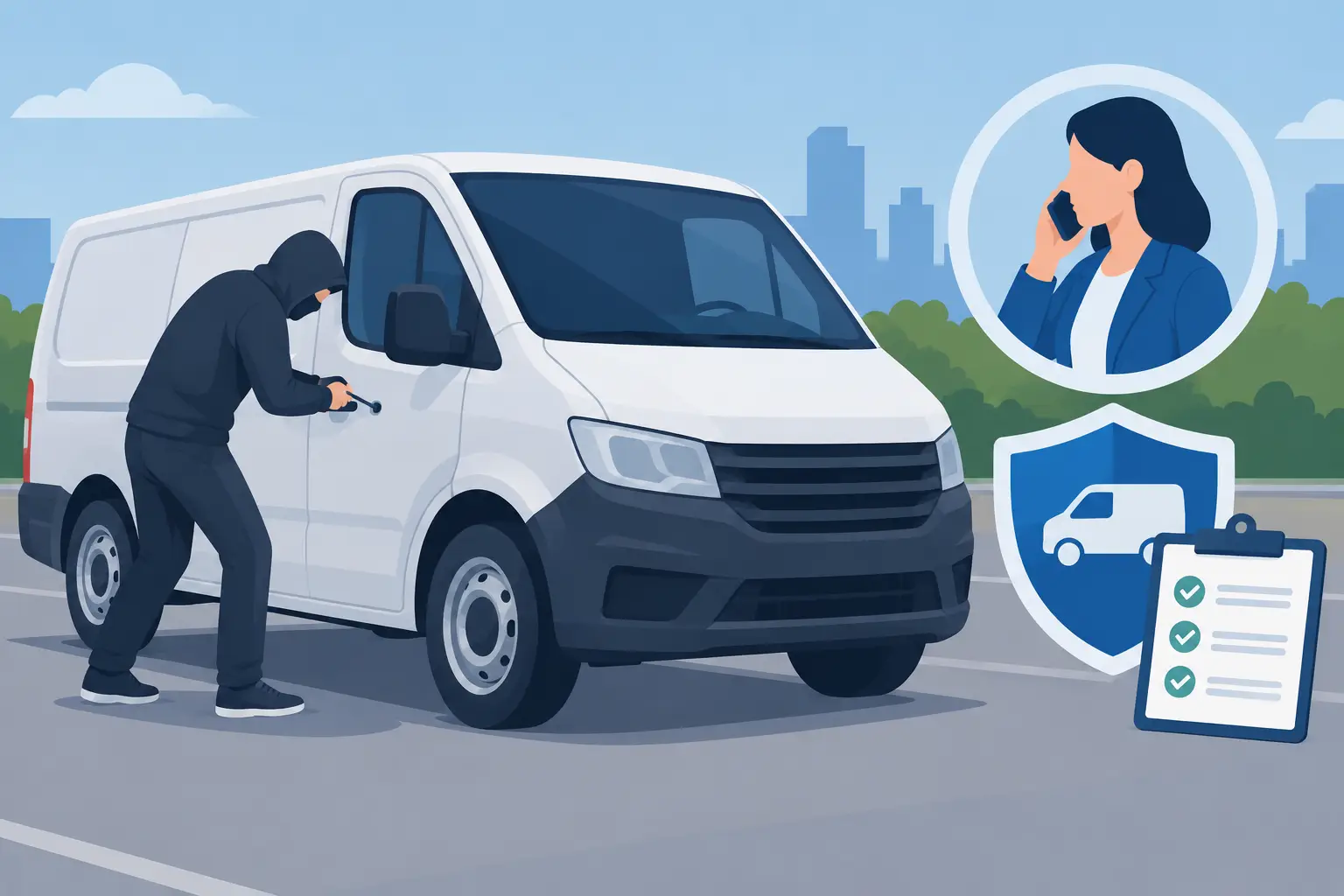
Third party, fire and theft adds cover if your campervan is stolen or damaged by fire. Comprehensive cover generally also includes accidental damage to your own vehicle, subject to the policy terms and excess. Comprehensive is not automatically the cheapest option, so compare like for like rather than choosing on the label alone.
Think about the campervan, not just the driving
A suitable policy may include features that are especially useful for campervan owners. Personal belongings cover can protect clothing, camping equipment and other items kept in the vehicle, although individual-item and total limits apply. Check whether valuables must be out of sight or removed overnight.
Windscreen cover is worth examining too. Large windscreens and specialist glass can be costly, while excesses and claim limits vary. Breakdown assistance can be useful for longer UK journeys, but check that it suits your vehicle’s weight, height and length. A standard recovery product may not always be appropriate for a larger motorhome.
Other options may include courtesy vehicle cover, legal expenses cover, European driving cover and cover for awnings. These are not automatic essentials for every owner. If you only take short trips in the UK and already have breakdown cover, adding every extra could simply increase the premium. If you tour abroad each summer, the small print around European use, recovery and time limits deserves closer attention.
Give accurate answers about drivers, mileage and storage
Your premium is based on the information you provide, so accuracy matters more than trying to make the numbers look favourable. Estimate your annual mileage realistically. A campervan used for a few weekends and one summer holiday has a different risk profile from one used for frequent long-distance touring.
Declare every regular driver. Adding an experienced driver with a clean history can sometimes help, but only if they genuinely use the campervan. Naming someone as the main driver when another person does most of the driving is known as fronting and can lead to a rejected claim or cancelled policy.
Where you keep the campervan overnight is another key question. A locked garage, secure storage site, driveway and on-street parking can all be rated differently. Give the normal overnight location, not the answer that produces the lowest quote. If you move it to paid storage over winter, tell the insurer if the policy requires it.
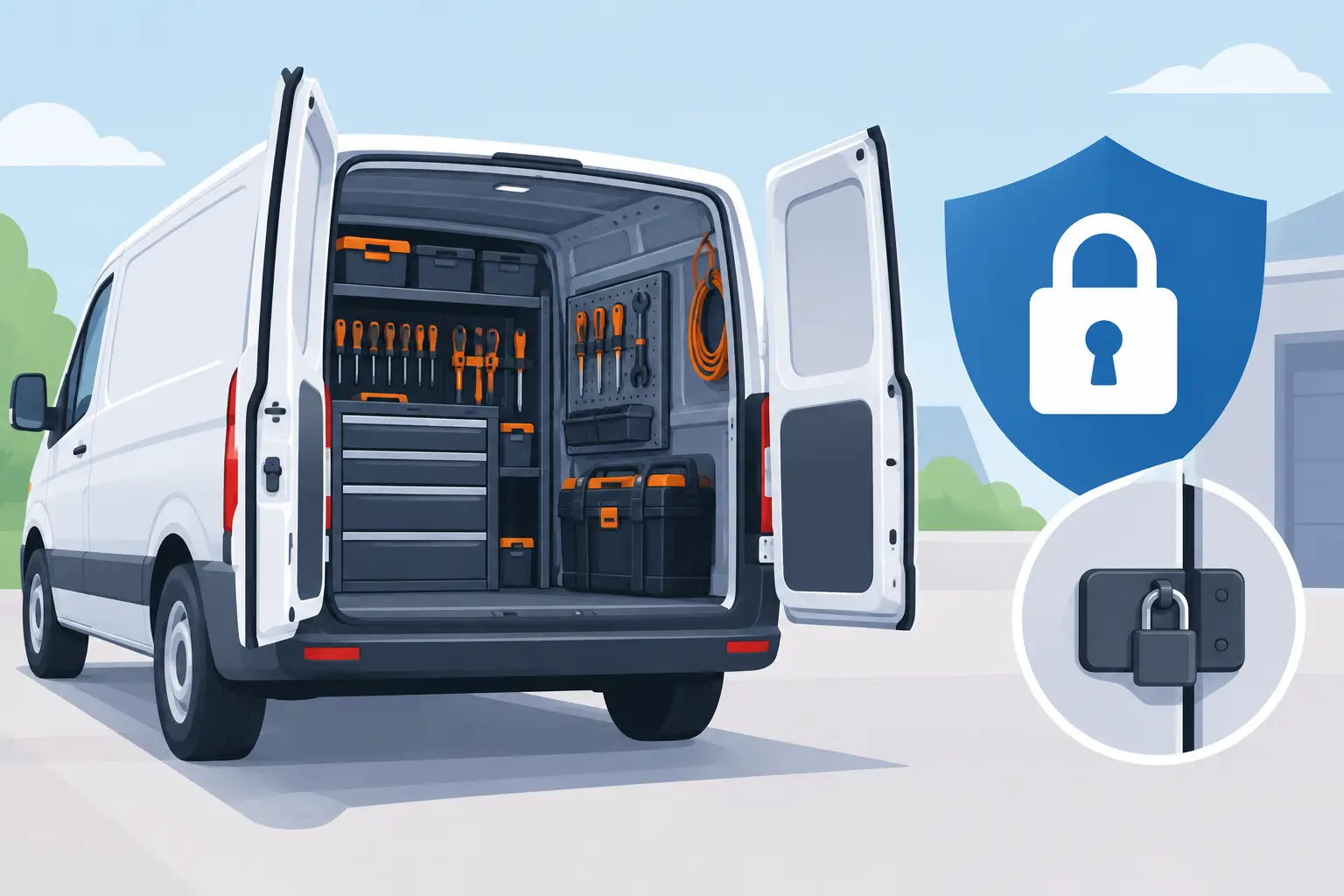
Security can make a practical difference. Approved alarms, immobilisers, tracking devices, wheel clamps and steering locks may be recognised by some insurers. They will not always reduce the price, but they can make theft less likely and may be required for higher-value vehicles. Keep proof of installation and use the equipment consistently.
Value the vehicle and its conversion properly
Underestimating a campervan’s value may appear to reduce the premium, but it can leave you short after a total loss. Add up the base vehicle, conversion work and permanently fitted equipment. A professional conversion, a lithium leisure battery system or high-quality cabinetry can make a substantial difference to replacement cost.
Ask whether the policy uses market value, agreed value or new-for-old replacement. Market value is what the insurer considers the vehicle was worth immediately before the incident. This can be difficult with unusual or bespoke campervans, because comparable vehicles may be scarce. Agreed value cover can offer greater certainty if the insurer accepts a documented valuation at the outset.
Also check how removable items are treated. Bikes, portable generators, laptops, cameras and camping furniture may have separate limits, exclusions or security conditions. Do not assume that a high overall contents limit will cover every expensive item you take away.
Ways to reduce campervan insurance costs
The lowest quote is only good value if the policy provides the cover you would expect when something goes wrong. Still, there are sensible ways to control the cost without cutting corners.
- Compare policies using the same excess, mileage, driver details and level of cover. A cheaper price may simply have a higher compulsory excess or fewer useful features.
- Consider a higher voluntary excess only if you could comfortably pay the combined compulsory and voluntary excess after a claim.
- Limit the driver list to people who genuinely drive the campervan, and avoid adding occasional drivers unnecessarily.
- Improve approved security and consider secure storage, particularly if the vehicle is parked on the road or left unused for long periods.
- Pay annually if it is affordable. Monthly payments are often a credit agreement, so the total can be higher.
Build and protect your no-claims discount where possible. Some policies allow you to use a no-claims discount earned on another vehicle, while others require a separate history for the campervan. Do not presume the discount transfers – check before you buy.
Check restrictions before you buy
Read the policy documents before choosing, particularly the exclusions and endorsements. Some insurers impose age limits for drivers, restrictions on use, security requirements or conditions for trips abroad. If you hire out your campervan, use it for deliveries, live in it full-time or take it to festivals regularly, ordinary leisure-use cover may not be enough.
Be honest about modifications completed after the policy begins as well. Adding a pop-top roof, changing the engine or installing expensive equipment can alter the risk. Contact the insurer before the work starts where possible, because some changes may not be accepted or may need to be noted immediately.
Finally, do not leave renewal to the last minute. Your circumstances, the vehicle’s value and insurer pricing can all change from one year to the next. Allow time to compare quotes, check the policy wording and ask questions if a detail is unclear. A few careful minutes before you buy can help keep your campervan properly protected for every road trip ahead.