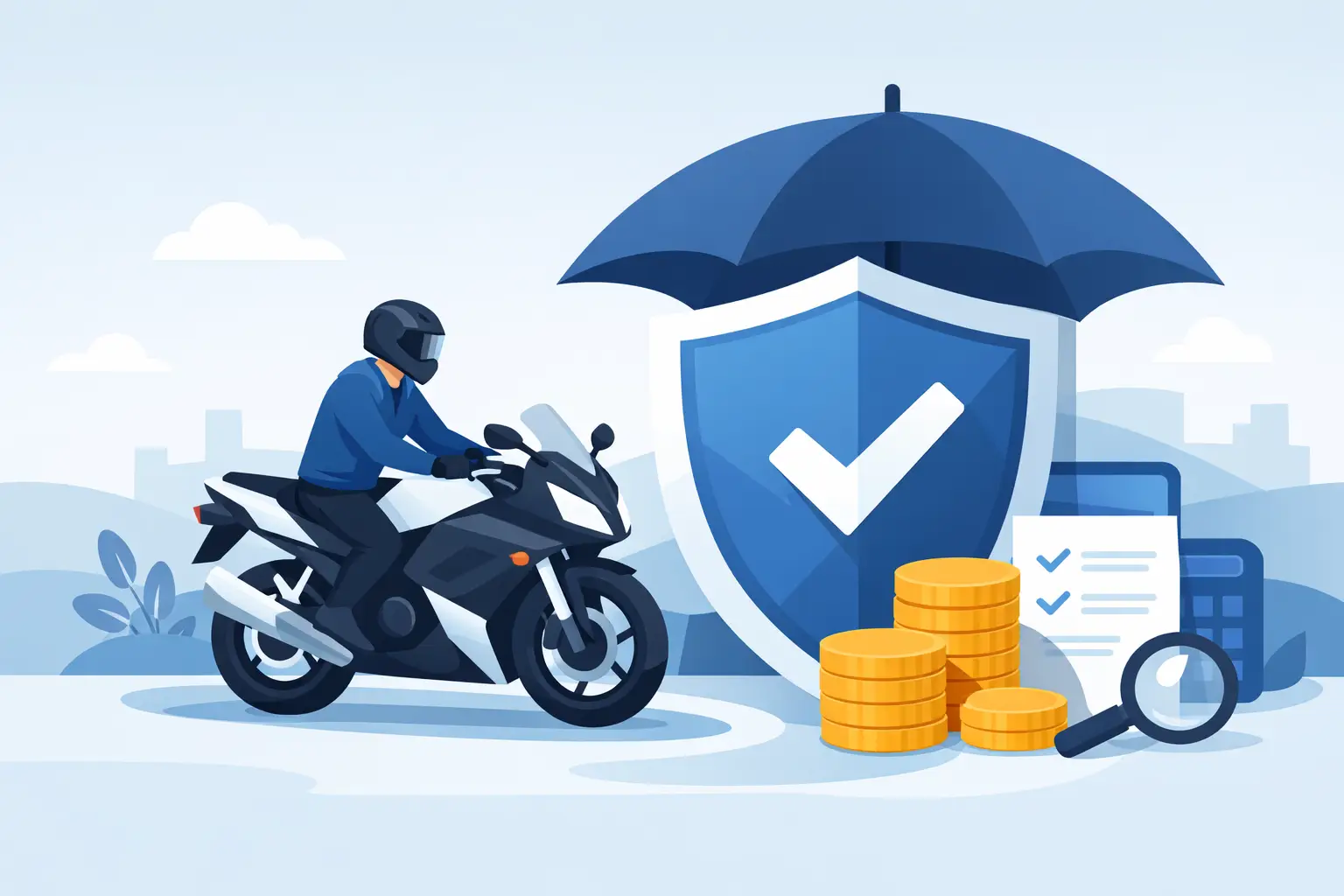
A low renewal price can look tempting until you spot a £1,000 excess, no cover for your helmet and leathers, or restrictions that do not suit how you actually ride. Cheap motorbike insurance should mean paying for the protection you need – not simply choosing the smallest number on screen.
The best value policy depends on your bike, postcode, riding experience and how you use it. A 125cc commuter ridden to a secure workplace has a very different risk profile from a high-performance bike kept on the road overnight. The good news is that there are practical ways to reduce the price while keeping your cover fit for purpose.
Start by comparing like-for-like motorbike cover
Different insurers assess motorcycle risk in different ways. One may place more weight on your no-claims bonus, while another may be more competitive for the model of bike you ride, your occupation or where it is kept. That is why comparing quotes is usually more effective than assuming your current provider will offer the best renewal.
When you compare, use the same details each time. Set the same voluntary excess, annual mileage, overnight parking location and optional extras before judging prices. A quote may appear cheaper because it includes a higher excess or excludes protection that another policy includes as standard.
UKcompare lets riders check motorbike insurance options from a broad panel of registered UK insurance companies, helping you spend less time visiting insurer websites individually. Who Compares Wins! But price only tells part of the story. Check the policy wording and quote summary before you buy.
Choose the cover level that matches your bike
Third-party only is the legal minimum for riding on UK roads. It covers injury or damage you cause to others, but it will not pay to repair or replace your own bike if it is stolen, damaged or written off. It can make sense for a low-value motorcycle where you could afford to replace it yourself, but it is not automatically the cheapest option.
Third-party, fire and theft adds cover if your bike is stolen or damaged by fire. Fully comprehensive cover also protects your own bike after an accident, subject to the policy terms and excess. Counter-intuitively, comprehensive insurance can sometimes cost less than lower levels of cover because insurers’ claims data does not always follow the assumptions riders make. Get quotes for each suitable level rather than ruling one out.
Ways to get cheap motorbike insurance without cutting corners
Insurers price the likelihood and cost of a claim. The most effective savings tend to come from showing that your bike is less likely to be stolen, damaged or involved in an accident.
Be accurate about mileage and use
Estimate your annual mileage honestly. If you mainly take the bike out at weekends, you may travel far fewer miles than a daily commuter. Lower mileage can reduce premiums because you are on the road less often, but understating it can create problems if you need to claim.
Also select the right class of use. Social, domestic and pleasure use does not cover travelling to work. If you commute, even occasionally, declare it. If your job involves visiting several locations, carrying goods or making deliveries, a standard policy may not be enough. Choosing unsuitable use to lower a quote is a false economy.
Improve security where the bike is kept
Motorcycle theft is a major pricing factor, especially in areas with higher theft rates. Keeping your motorbike in a locked garage is often preferable to leaving it on a driveway or road, provided that is genuinely where it stays overnight.
A quality ground anchor, disc lock, chain and alarm can deter thieves and may help with the premium where recognised by the insurer. Security devices must be correctly fitted and declared. Do not assume every lock earns a discount, and do not say you use equipment that you do not use consistently. Photographs, receipts and registration details are useful to retain in case of a theft claim.
Set a voluntary excess you could pay
The excess is the amount you contribute towards an accepted claim. It commonly includes a compulsory amount set by the insurer and a voluntary amount you choose. Increasing the voluntary excess may lower your premium, but only choose a figure you could comfortably find after an accident or theft.
For example, saving £35 on the annual premium is unlikely to be worthwhile if it adds £300 to the amount you would have to pay following a claim. Check whether separate excesses apply to theft, windscreen damage or young riders as well.
Protect your no-claims record
Building a no-claims bonus can make a meaningful difference to motorcycle insurance costs over time. Avoiding claims where it is sensible to do so helps, but never ignore essential repairs or fail to report an incident when your policy requires it.
No-claims discount protection may be worth considering if you have accumulated several claim-free years and the additional cost is modest. It does not mean your price can never rise after a claim. It usually protects the discount level, while the insurer can still reassess your overall risk at renewal.
Consider advanced training and licence details
More riding experience may help, and some insurers recognise approved advanced riding qualifications. Declare your full licence type, test date and any relevant training accurately. A CBT, A1, A2 or full Category A licence can affect both the motorcycles you are allowed to ride and how insurers view your experience.
Do not be tempted to list a more experienced person as the main rider if the bike is really yours. This is known as fronting and can invalidate cover. Adding an experienced rider can be legitimate where they genuinely use the motorcycle, but the principal rider must always be the person who rides it most.
Look carefully at extras before adding them
Optional extras can be valuable, particularly if you rely on your bike for commuting, but they can also push up the total. The right choice depends on what you already have and what you would struggle to pay for yourself.
Legal expenses cover may help with uninsured loss recovery after an accident that was not your fault. Breakdown cover can be useful for older bikes or longer journeys, while personal accident cover may offer a set payment for serious injury. Helmet and leathers cover is worth checking if your kit would be expensive to replace.
Read the limits, exclusions and excess for every extra. Some policies include European riding, replacement locks or roadside recovery as standard; others charge separately. Avoid paying twice if you already have suitable breakdown cover elsewhere, but make sure any existing policy actually covers motorcycles.
Timing matters, but renewal convenience costs money
Leaving motorbike insurance until the day it expires can limit your options. Insurers often see last-minute purchases as higher risk, so getting organised before renewal may produce better prices. Check your renewal notice, then start comparing with enough time to review the details rather than rushing into the first quote.
Paying annually is often cheaper overall than monthly instalments because monthly payments are usually a credit agreement with interest. That said, paying in one go only makes sense if it does not leave you short for rent, bills or essential repairs. Compare the total amount payable, not merely the monthly figure.
Do not let a policy renew automatically without checking the new price and cover. Your circumstances may have changed: a new postcode, lower mileage, a garage, further training or an extra year of no claims can all alter the quote.
The details that can change your premium
Small details can have a surprisingly large effect. Modifications should always be declared, from performance exhausts and engine changes to cosmetic alterations. Even accessories such as luggage, heated grips, phone mounts and security equipment may need to be listed, particularly if you want them covered following a claim.
Convictions, penalty points and previous claims also need to be disclosed for the period requested by the insurer. It may raise the premium, but withholding information risks a rejected claim or cancelled policy. The same applies to where the bike is normally parked, how many riders use it and whether it is used for commuting.
If a quote is far cheaper than every other option, pause before buying. Check the insurer name, excess, cancellation charges, claims contact arrangements and exclusions. Cheap motorbike insurance is a good result only when it will respond as expected on the day you need it.
Before you ride, take ten minutes to compare accurate quotes, check the policy details and choose a premium you can afford alongside an excess you could genuinely pay. A little care now can leave more money for fuel, tyres and the journeys that made you buy a motorbike in the first place.