You have borrowed a car for a weekend, need to collect a new purchase, or have a learner driver ready for extra practice. In these situations, temporary car cover explained properly means short-term motor insurance that protects a named driver for a limited period – often from a few hours to a few days or weeks – without changing the owner’s annual policy.
It can be a convenient answer when you need to drive legally now, rather than committing to a full 12-month policy. But convenience is not the same as automatic value. The right choice depends on the vehicle, the driver, the length of time needed and whether an existing policy already provides suitable cover.
What is temporary car insurance?
Temporary car insurance is a standalone policy for a fixed, short period. It is commonly used for borrowing a friend or family member’s car, sharing driving on a long trip, test-driving a vehicle, or getting insured while arranging annual cover for a newly bought car.
The policy is usually issued in the temporary driver’s name and covers a specific vehicle. That matters because a claim under a separate short-term policy will not normally affect the car owner’s no-claims discount. The temporary driver may still need to disclose accidents, claims or motoring convictions when applying for insurance in future.
Most policies offer comprehensive cover, but never assume that is the case. Comprehensive does not mean every situation is covered, and the policy wording, excess and eligibility rules still apply. Check the certificate and insurance product information before driving away.
Temporary cover is not a physical car cover
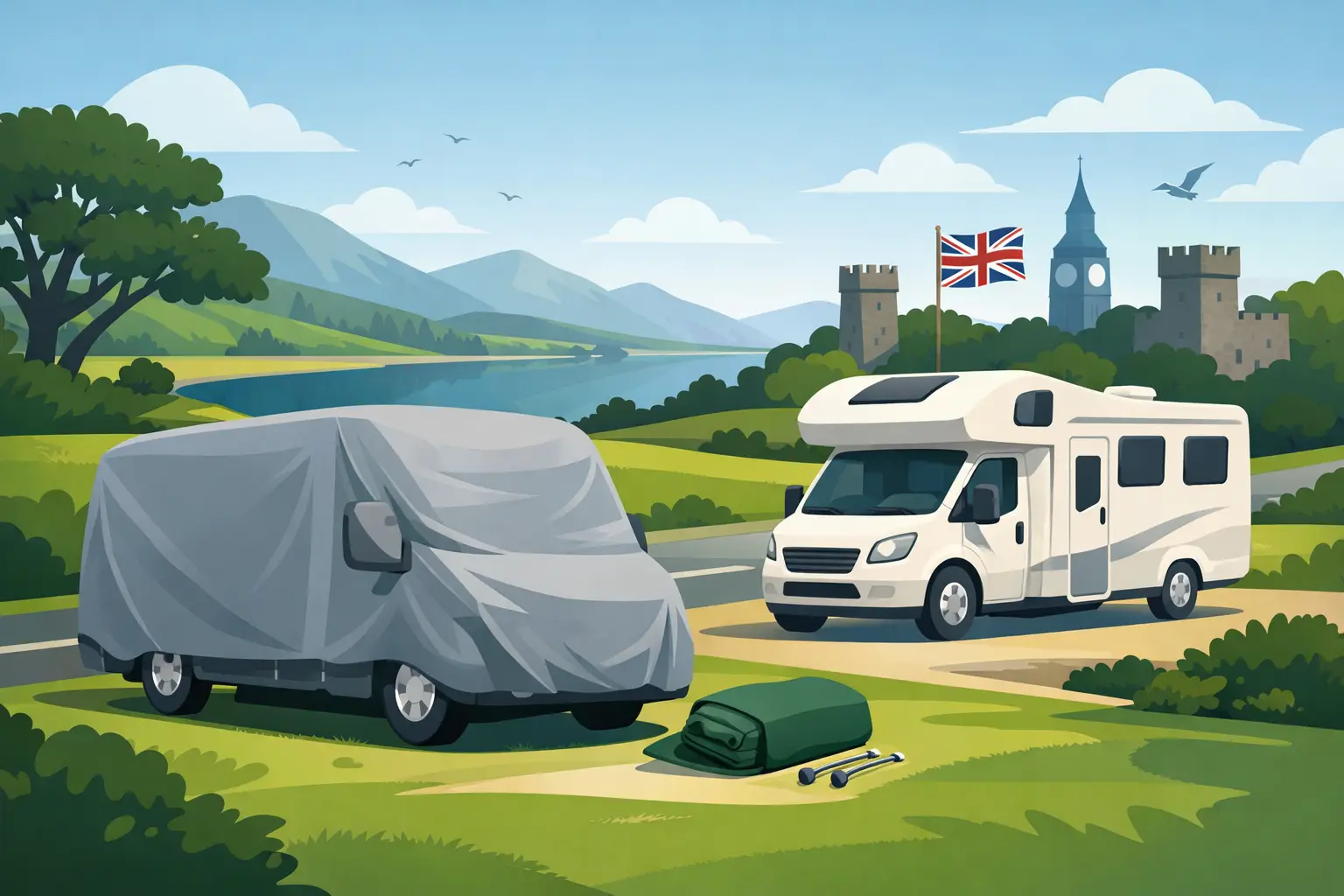
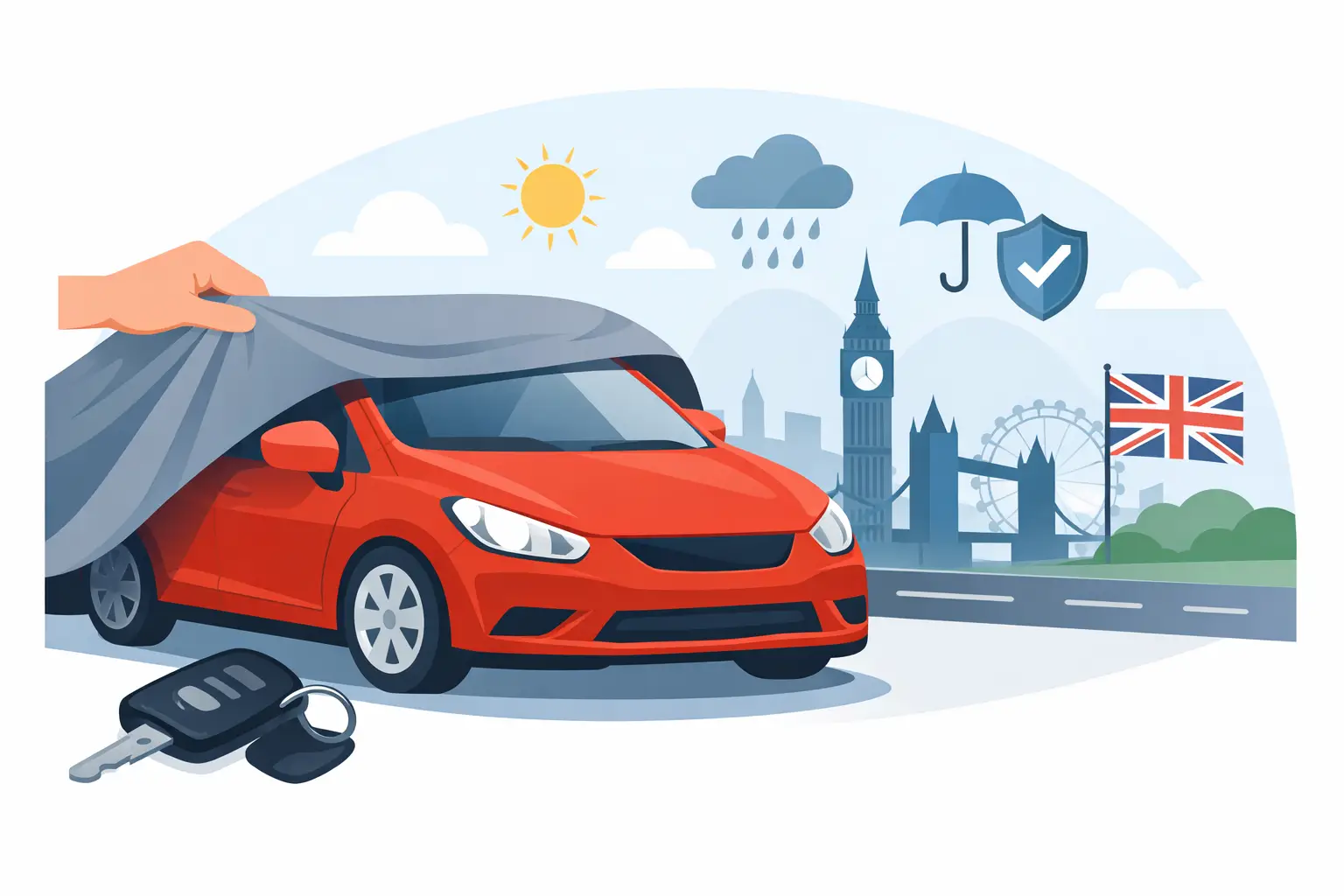
The phrase can also refer to a waterproof cover placed over a parked car. That is useful for protecting paintwork from leaves, dirt or bird droppings, but it is not insurance and does not make a car legal to drive. If you need to use the vehicle on the road, you need valid motor insurance.
When short-term cover can make sense
Short-term cover is most useful where the need is clear and genuinely temporary. It can avoid adding somebody to an annual policy for a one-off journey, and it may be simpler than taking out annual insurance only to cancel it shortly afterwards.
A parent might insure an adult child for three days to share driving on a family visit. A motorist collecting a used car may need cover from the moment they take ownership. Someone whose own car is in the garage may need a separate policy to borrow another vehicle for work or essential journeys.
Learner drivers can also use temporary learner insurance for practice in a parent’s or friend’s car, provided the policy allows it and they are supervised by a driver who meets the legal requirements. This can help protect the car owner’s annual no-claims discount if the learner has an accident, although the learner policy’s excess could still be payable.
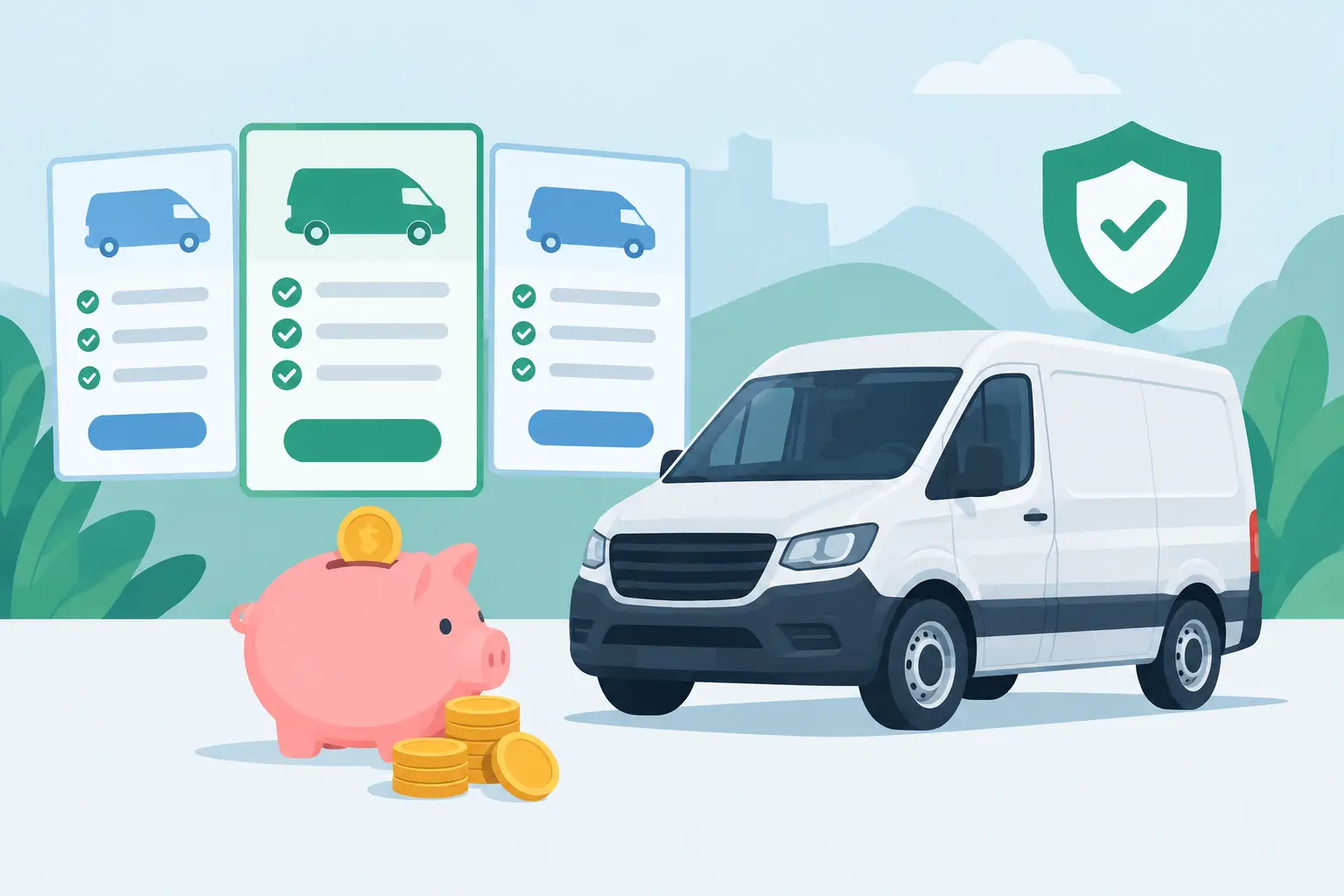
It is less likely to be good value if you will need the car regularly for several months. Repeated short-term policies can add up quickly. In that case, compare annual policies, adding a named driver, or changing the main policy before choosing the fastest-looking option.
What temporary car cover usually includes
Cover varies by insurer, but a comprehensive short-term policy may help with repairs or replacement if the insured vehicle is damaged, stolen or destroyed. It can also include third-party liability, which covers injury or damage you cause to other people and their property.
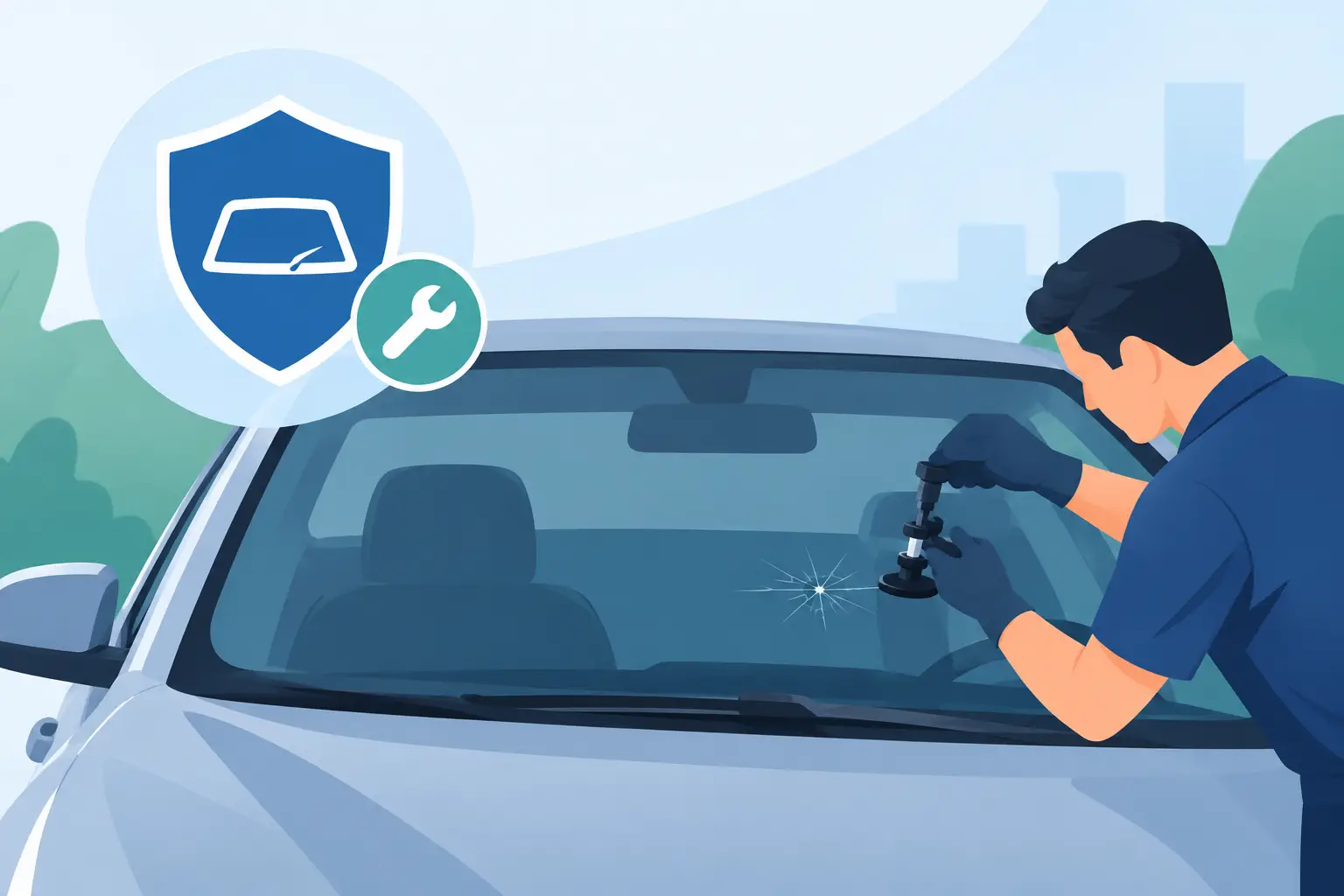
Some policies include features such as windscreen cover, legal expenses or roadside assistance. Others offer these only as optional extras, or exclude them altogether. Do not choose based on the headline price alone if a feature is essential for your journey.
The excess deserves particular attention. This is the amount you may have to pay towards a claim. Temporary policies can carry a higher compulsory excess for younger or less experienced drivers, and a voluntary excess may reduce the premium while making a future claim more expensive. Choose an excess you could realistically afford, not just the lowest initial price.
Key exclusions to check before you buy
Short-term motor insurance is designed for ordinary private driving, not every possible use of a car. Restrictions differ between providers, so read the details carefully, especially if the car is not yours.
Common limitations can include:
- no cover for business use, deliveries, courier work, hire and reward, racing or track use;
- no driving outside the UK, unless European cover is specifically included;
- age, licence-holding and address requirements for the driver;
- vehicle limits based on value, modifications, engine size or type; and
- no cover to drive other vehicles unless this is expressly stated.
If you are moving house, carrying tools for work, travelling abroad or using a van, do not assume a standard temporary car policy fits. You may need cover designed for that vehicle or purpose. A van used for paid deliveries, for example, needs insurance that permits courier use.
Do not rely on Driving Other Cars cover
Some annual comprehensive policies include Driving Other Cars, often called DOC. It may provide third-party-only cover to drive another person’s car in limited circumstances. It is not included on every policy, may only apply to drivers over a certain age, and can be withdrawn after certain claims or convictions.
DOC is also rarely the best option for a borrowed car. Third-party-only protection would not pay for damage to the borrowed vehicle if you caused an accident. A separate temporary policy can give clearer, more suitable protection for the period you need.
How long can you get temporary cover for?
Many providers offer policies from a few hours up to 28 or 30 days, though the available periods vary. Pick the period you actually need. Insuring yourself for a full week when the car is only needed for one afternoon may cost more than necessary, but ending cover too soon can leave you uninsured if plans change.
You should also check the exact start and end times. Insurance does not always run until midnight on the final date. If you are collecting a car, arrange cover to begin before you take possession and confirm that the registration number, vehicle details and driver information are correct.
For a newly purchased vehicle, remember that insurance is only one part of being road legal. The car may also need to be taxed, have a valid MOT where required, and be in a roadworthy condition.
How to keep the cost down without cutting corners
Short-term insurance is priced around risk, just like annual cover. Your age, address, occupation, driving history, licence type, the car and the length of cover can all affect the premium. A powerful or high-value vehicle may cost more to insure for a weekend than a modest family car, even with the same driver.
Start by choosing accurate details. Guessing your mileage, occupation or previous claims can cause problems if you need to claim. Select only the dates and usage you need, and avoid adding optional extras that duplicate protection you already have elsewhere.
Comparing quotes is often the quickest way to see whether a short-term policy is reasonably priced for your circumstances. UKcompare helps drivers compare motor insurance options from a wide range of registered UK insurers, so you can focus on cover that suits the vehicle and the way you will use it. Who Compares Wins.
Price should not be the only deciding factor. Compare the excess, cover level, cancellation terms, claims process and any restrictions that matter to you. A cheaper policy that excludes your intended use is not a saving.
Before you drive, make these checks
Confirm that the policy is active and that the registration number is correct. Keep your certificate or policy documents available on your phone, and make sure the car owner knows you are insured to drive it. If the car has existing damage, take dated photographs before setting off so there is a clear record of its condition.
Also check practical details that insurance will not solve: tyre condition, fuel level, warning lights and where the spare key is kept. If you are borrowing the vehicle, agree who would pay the excess if something goes wrong. An awkward conversation before the trip is far better than a disagreement after an accident.
Temporary car cover works best as a precise solution to a short-term need. Get the right dates, the right driver and the right vehicle details in place, then you can get on the road with confidence rather than hoping an annual policy covers more than it does.