A careful new driver can still face a costly first car insurance quote simply because insurers have limited driving history to assess. Telematics insurance gives them more evidence. Rather than pricing cover mainly around age, postcode, car and claims history, it uses real driving data to help insurers judge risk.
That can mean a lower premium for the right motorist, particularly younger drivers, low-mileage drivers and people who mostly drive at quieter times. But it is not automatically the cheapest option, and the rules vary between insurers. Before choosing a policy, understand what is tracked, how your score may affect your cover and whether the policy suits the way you actually use your car.
How telematics insurance works
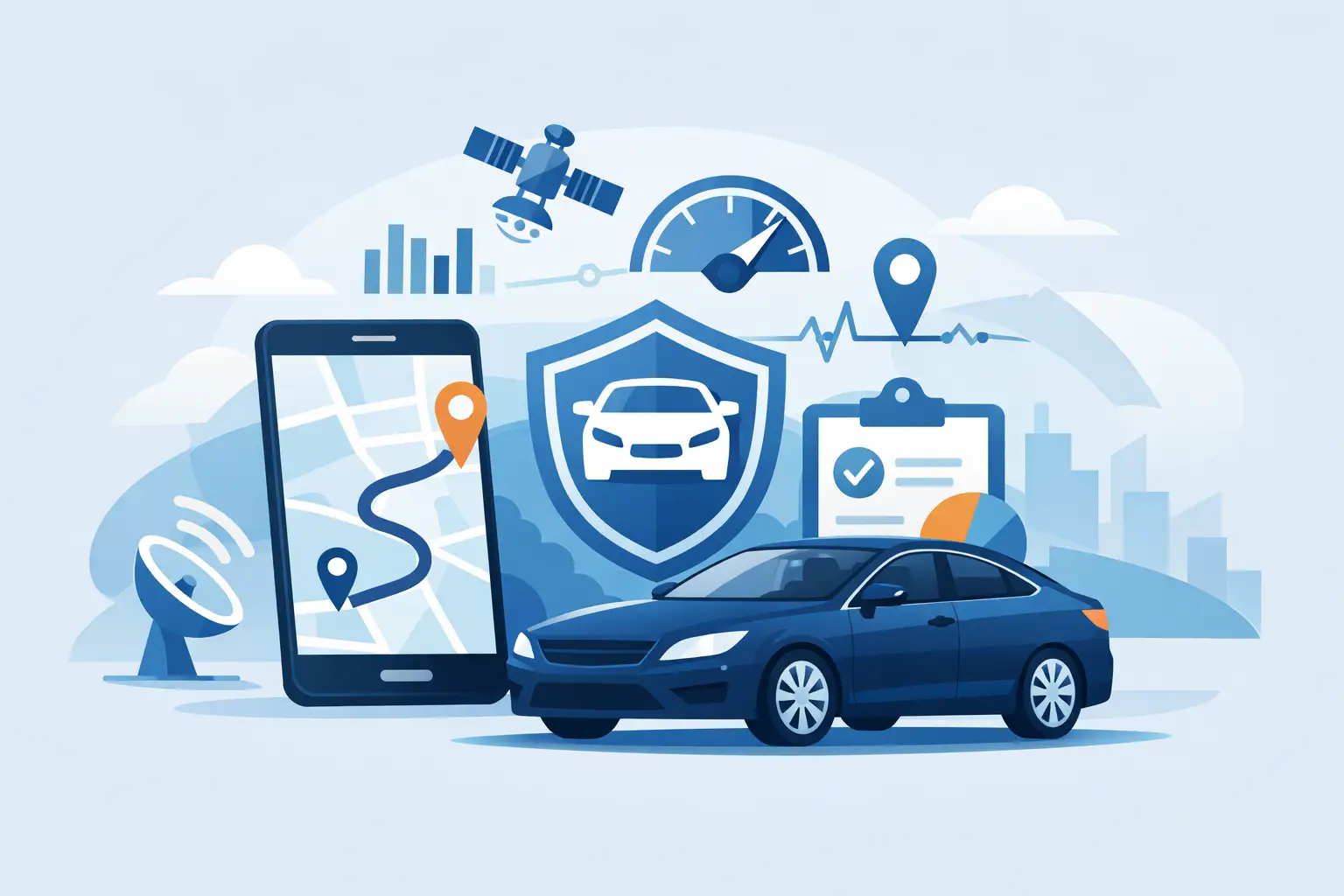
Telematics insurance is often called black box insurance, although a physical black box is only one option. An insurer may fit a small device in your car, send you a self-install device, or ask you to download an app that uses your mobile phone’s location and motion sensors. Some systems use a windscreen tag or plug into the vehicle’s diagnostic port.
The technology records information about journeys and sends it to the insurer. You can usually view a driving score, journey history or feedback through an app or online account. The insurer uses this information alongside the usual rating factors to price the policy and, in some cases, calculate your renewal offer.
Most policies look at patterns rather than one imperfect journey. Braking sharply because a child runs into the road is not necessarily a problem. Repeated late braking, frequent hard acceleration or regular speeding is more likely to affect the overall picture.
What a black box or app may monitor
The exact data depends on the provider and policy wording, but telematics commonly measures speed, braking, acceleration, cornering, mileage, journey times and location. It may also identify mobile phone handling while driving, depending on the system.
Speed is often assessed against the road’s posted limit, while braking and cornering help show whether you leave enough space and drive smoothly. Location data can also reveal whether the car is used in places or at times associated with a higher claims risk. Always check the policy documents to see precisely what is collected and how long it is retained.
Can telematics insurance make car cover cheaper?
It can. Telematics gives safer drivers a chance to demonstrate that they are less risky than their age group or previous insurance record might suggest. This is why it is particularly popular with drivers aged 17 to 25, who can otherwise pay high premiums even with a modest car and no claims.
The potential saving is not limited to younger motorists. If you work from home, use your car only at weekends, or have stopped commuting long distances, accurate mileage data may support a more competitive quote. Drivers who are disciplined about speed limits and smooth driving may also benefit at renewal.
However, a low headline premium does not guarantee a lower total cost. Some policies charge more if you exceed an agreed mileage allowance. Others may not reward your score until renewal, meaning there is no immediate reduction in monthly payments. A standard policy could still beat a telematics quote, especially for an experienced driver with a strong no-claims discount.
The practical answer is to compare like for like. Check the excess, level of cover, optional extras, annual mileage and payment terms as well as the premium. Paying monthly usually costs more overall because interest may be charged, so compare the annual price too.
When telematics insurance may not suit you
A telematics policy works best when the recorded driving is representative of the person insured. If several people regularly use the vehicle, or you often lend it to someone whose driving you cannot control, your score could reflect their behaviour as well as your own.
It can also be less suitable if you drive long distances at night because of work, family commitments or regular travel. Night driving is not automatically penalised, but some policies apply restrictions or treat certain hours as higher risk. If you need complete flexibility, read the terms carefully rather than assuming every black box policy works in the same way.
Mileage matters too. Estimate it honestly. A policy with a low annual limit may look attractive, but exceeding it can mean an administration charge, an adjustment to your premium or the need to buy additional miles. Include commuting, school runs, weekends away and unexpected journeys when working out a realistic figure.
For van drivers, telematics may be useful where journeys are predictable and mileage is closely managed. But tradespeople who travel to changing jobs, carry valuable tools or need to respond at short notice should check that the policy’s usage class, mileage limit and time restrictions match their working day. A cheap quote is no use if it does not provide the cover you need.
Your driving score: what can affect it?
Insurers use their own scoring systems, so there is no single national telematics score. One provider might place more weight on speed, while another focuses more heavily on braking, mileage or the time of day you drive.
The habits that generally help are straightforward: stay within speed limits, anticipate traffic so you can brake progressively, avoid rapid starts, leave space in wet conditions and keep your mobile phone out of reach while the engine is on. These are safer habits regardless of whether a device is tracking you.
Do not obsess over every score change. Roadworks, diversions and emergency manoeuvres happen. Look for repeated feedback instead. If an app regularly flags harsh braking, for example, ease off the accelerator earlier when approaching junctions and queues. That can improve both your driving record and fuel economy.
Privacy, data and the small print
Sharing journey data is the key trade-off. Some drivers value the feedback and potential saving; others would rather not have their location and driving behaviour monitored. Neither view is wrong, but it should be a deliberate choice.
Before buying, ask how the insurer uses location data, whether it is shared with other organisations, how you can access it and what happens when the policy ends. Read the privacy notice as well as the insurance policy wording. You should also find out whether the device can help locate the vehicle after theft or provide crash alerts, as these features differ.
Check what happens after an accident. Telematics data may help an insurer understand the circumstances and, on some policies, trigger support after a serious impact. But it can also be considered when a claim is investigated. The same principle applies to any policy: answer questions accurately and make sure the named drivers, address, occupation and vehicle use are correct.
How to compare telematics quotes properly
Start with the same honest details you would use for any car insurance quote. Give an accurate annual mileage figure, explain where the car is kept overnight and select the correct use – social, domestic and pleasure, commuting, or business use where applicable. Incorrect details can cause problems if you need to claim.
Then look beyond the first price shown. Check whether installation is required, whether there is a charge for fitting or removing a device, and whether the insurer offers an app-only option. Confirm the compulsory excess, voluntary excess, courtesy car terms, windscreen cover and any legal or breakdown cover you want.
Also ask whether poor scores can lead to a premium increase during the policy year, restrictions, a warning or cancellation. Some providers simply use the data at renewal, while others have more active intervention. Understanding this before you buy avoids unpleasant surprises later.
If you are comparing a telematics policy with standard cover, use the same vehicle and driver details for each quote. UKcompare can help you compare car insurance options quickly, but choose the policy on cover and suitability as well as price. Who Compares Wins!
A telematics policy should reward the way you already drive, not force your life around a device. If the terms fit your mileage, routine and comfort with data sharing, it could be a sensible route to more fairly priced cover. If they do not, keep comparing – the right insurance is the one that protects you properly at a price you can manage.