You may share a car with your partner, parent or newly qualified child, but the person who uses it most must be declared correctly. The named driver versus main driver distinction can affect the price of your policy, how a claim is handled and, in serious cases, whether your cover remains valid.
Getting the details right is straightforward. The main driver is the person who drives the car most often. A named driver is someone else who is insured to use it, usually less frequently. Insurers use this information to assess risk and calculate a fair premium.
What is a main driver?
The main driver, sometimes called the policyholder or primary driver, is the person who does the majority of the driving. This is not necessarily the registered keeper, and it is not always the person who pays for the insurance. What matters is who uses the vehicle most in real life.
For example, if you drive your car to work five days a week and your partner occasionally uses it for the school run, you are the main driver. Your partner can be added as a named driver if they need permission to drive the car.
Insurers may also ask where the vehicle is kept overnight, what it is used for and estimated annual mileage. These answers should match how the car is actually used. A car parked at a student’s university address and driven mainly by them will usually need to reflect that, even if a parent owns it.
What is a named driver?
A named driver is an additional person listed on your car insurance policy. They can drive the insured vehicle within the limits of the cover, without needing to arrange their own separate policy for that car.
Adding an experienced named driver can sometimes reduce the premium for a newer driver. An insurer may view a car shared with a lower-risk, experienced motorist differently from one used only by a new licence holder. However, there is no guaranteed saving. The additional driver’s age, claims history, convictions, occupation and driving record can all increase or decrease the quote.
Named drivers should only be added when they genuinely use the car. Adding someone purely in the hope of getting a lower price, when they will never drive it, can create unnecessary complications and may not save money.
Does a named driver get the same cover?
Usually, a named driver receives the same level of cover as the policyholder when driving the insured car. If the policy is comprehensive, they are generally covered comprehensively for that vehicle. Policy terms, excesses and exclusions still apply, so always check the wording before assuming a particular journey is covered.
Do not assume a named driver is automatically insured to drive other cars. Driving other cars cover, where offered, is normally restricted and may be third-party only. It is not a substitute for arranging proper insurance on the other vehicle.
Named driver versus main driver: the key difference
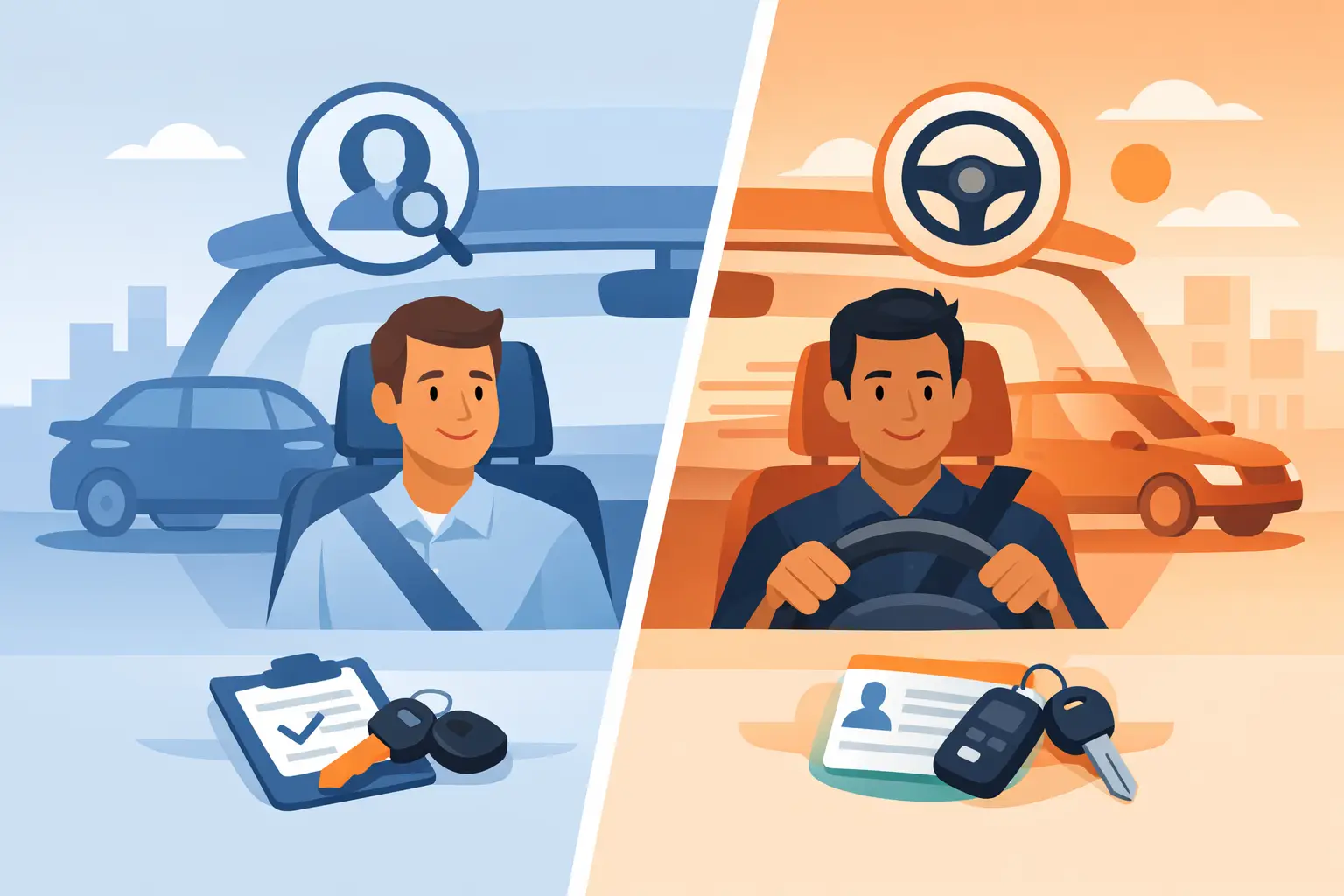
The practical difference is frequency and purpose of use. The main driver has regular, primary use of the car. A named driver has secondary or occasional use.
There is no universal rule such as a set number of days each week. Insurers look at the overall picture. Who commutes in the car? Who drives the longest mileage? Who keeps it at their address? Who is likely to be behind the wheel for most journeys? Give answers that reflect the normal pattern, not an unusual one-off month.
If circumstances change during the policy year, tell your insurer. Perhaps your child starts using the car daily after passing their test, you begin working from home, or a partner takes over the commute. Updating the main driver can change the price, but it is far safer than leaving inaccurate details in place.
Why fronting is not worth the risk
Fronting is when an experienced driver is declared as the main driver, while a younger or higher-risk person is actually the main user. It is often attempted because insurance for a new or young driver can be expensive.
It may look like a shortcut to a lower premium, but it is insurance fraud. If the insurer finds out, it could refuse a claim, cancel the policy or void it from the start, depending on the circumstances. The actual driver could then be left without cover after an accident, while both people may find future insurance more difficult and costly to arrange.
A parent can insure a car in their own name and add their child as a named driver when the parent genuinely remains the main user. But if the car is bought chiefly for the child to drive to college, work or social commitments, the child should normally be named as the main driver. The same principle applies to partners, friends and any other household member.
Can a named driver build no-claims discount?
In most cases, no. No-claims discount is normally earned by the policyholder, not by named drivers. A named driver may gain valuable driving experience, but that does not automatically translate into their own no-claims discount when they take out a separate policy.
Some insurers have named-driver experience schemes, but the rules vary and the experience may only be recognised by that insurer. Check this before relying on it. If building an individual no-claims history is a priority, taking out a policy in the real main driver’s name is often the clearer route.
How to set up your policy correctly
Before getting quotes, have an honest picture of how the car will be used. It only takes a few minutes and helps you compare like for like. Consider these four points:
- Who will drive the most miles and make the most journeys?
- Where is the car normally kept overnight?
- What is the vehicle used for: social use, commuting or business use?
- Which additional drivers genuinely need access to it?
Be accurate about mileage too. Underestimating it to chase a lower quote can cause problems later if your use is clearly higher than declared. Equally, do not overestimate by thousands of miles without reason, as this can affect the price.
Once you have entered the correct main driver and any genuine named drivers, compare the full policy rather than choosing on price alone. Check the compulsory and voluntary excess, courtesy car provision, windscreen cover, legal expenses options and any limits that matter to you. A cheaper premium may come with a higher excess or fewer useful features.
When adding a named driver may make sense
Adding a named driver works well when a car is truly shared but one person still does most of the driving. It can be practical for couples with one vehicle, parents who occasionally lend their car to an adult child, or households where relatives help with longer trips.
For younger drivers, an experienced parent or partner can be worth adding if they will actually drive the vehicle. It may affect the quote positively, negatively or not at all, which is why comparing accurate quotes matters. Never change the main driver simply because one option looks cheaper.
You can usually add or remove a named driver mid-policy, although an administration charge or premium adjustment may apply. Ask your insurer before lending the car for regular use, rather than assuming an informal arrangement is covered.
Get a price that matches your real driving
Car insurance is designed around the risk as it really is, not the version that produces the lowest first quote. Declaring the correct main driver, sensible mileage and genuine additional drivers gives you a policy that is more likely to support you when you need it.
Take a moment to check the details before you buy, then compare quotes on the same basis. Who Compares Wins! – and the best saving is one that does not put your cover at risk.