
A cheap quote can look like a win until you need to make a claim and find the policy does not cover what you expected. Knowing how to choose car insurance means looking beyond the headline price, matching cover to how you actually use your car, and comparing like for like. A few minutes spent checking the detail could save you money now and prevent an expensive surprise later.
Start with the cover you legally need
If you drive or keep a vehicle on public roads in the UK, you normally need at least third-party insurance. It pays for injury or damage you cause to other people, their vehicles or their property. It does not pay to repair or replace your own car after an accident that was your fault.
Third-party, fire and theft adds protection if your car is stolen or damaged by fire. It can be a sensible middle ground for some drivers, particularly where the car has modest value and comprehensive cover offers little extra benefit.
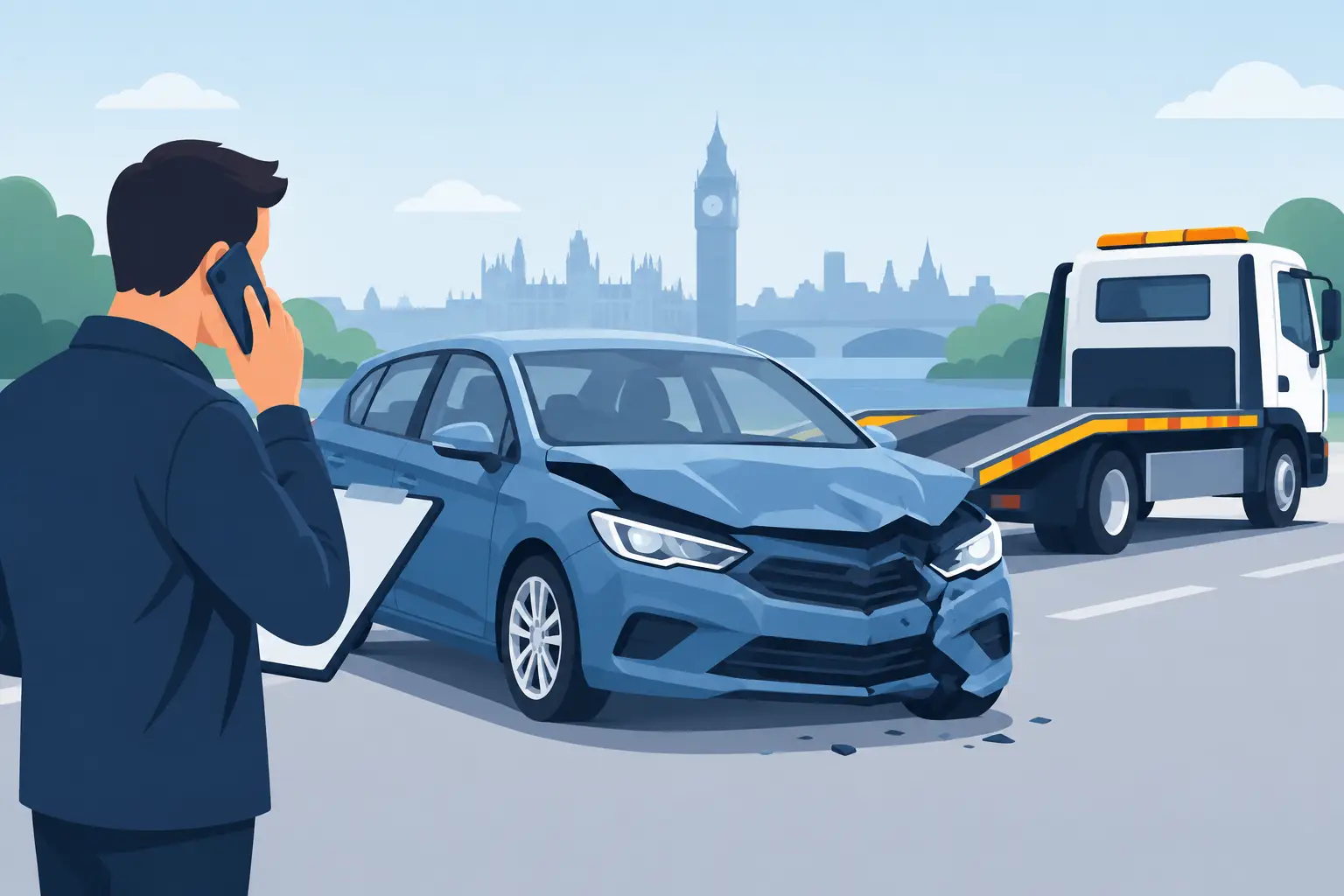
Comprehensive car insurance is the widest level of cover. It will usually include third-party liability, fire and theft, plus cover for damage to your own vehicle, even if you caused the accident. But comprehensive does not mean every situation is covered. Windscreen repairs, personal belongings, a courtesy car, driving other cars and legal costs can all have conditions, limits or exclusions.
Do not assume third-party cover will always be cheaper. Insurers price policies using claims data as well as the level of protection, so comprehensive insurance can sometimes be the lower-priced option. Get quotes for the cover levels that make sense for you, then compare the policy details as well as the premium.
How to choose car insurance for your driving habits
The right policy depends on the car, the driver and the journeys being made. An occasional weekend driver has different needs from someone commuting five days a week, doing the school run, or travelling long distances for work.
Be accurate about your annual mileage. Underestimating it to reduce the price may cause trouble if you later need to claim. Equally, do not automatically select a high mileage figure if your car spends most of the week on the drive. Check your MOT history, service records or odometer reading to make a realistic estimate.
You should also select the correct class of use. Social, domestic and pleasure use suits personal journeys, including visiting friends or going shopping. Commuting is normally needed if you drive to one regular workplace. Business use may be required if you drive between sites, visit clients or use your own car for work-related trips. A policy that does not reflect the way you drive may not provide the protection you expect.
Think carefully about who is behind the wheel. Adding a named driver can affect the price, but every driver must genuinely use the vehicle as described. Naming a more experienced person as the main driver when somebody else is the regular driver is known as fronting. It is insurance fraud and can lead to a claim being rejected or a policy cancelled.
Compare the details behind each car insurance quote
The lowest annual premium is only one number. Before choosing, look at the excess, key benefits and restrictions attached to each quote.
The excess is what you pay towards a claim. It often has two parts: compulsory excess set by the insurer, and voluntary excess chosen by you. Increasing your voluntary excess may reduce the premium, but only choose an amount you could comfortably pay after an accident. A £150 saving on the policy is not much help if a £750 excess would put a repair claim out of reach.
Check whether the policy includes, or charges extra for, features that matter to you. These can include:
- a courtesy car while yours is being repaired;
- windscreen repair and replacement cover;
- breakdown cover at home, roadside or across the UK;
- motor legal protection for uninsured losses; and
- protected no-claims discount after a set number of claim-free years.
These extras are not automatically worthwhile for everyone. For example, a household with a second car may not need a courtesy car option, while a driver who relies on one vehicle for work or caring responsibilities might consider it essential. Also check the type of replacement vehicle offered. A small hatchback may keep you mobile, but it may not suit a family that needs several seats or luggage space.
Exclusions deserve the same attention as benefits. Read the insurer’s policy wording before buying, especially for high-value accessories, driving abroad, key cover, flood damage and claims involving uninsured drivers. If your vehicle has modifications, from alloy wheels to engine changes, declare them. Even factory options can need to be listed depending on the insurer.
Protect the value of your no-claims discount
A no-claims discount can make a substantial difference to your renewal price. Make sure the number of years you declare matches your proof from your current or previous insurer. A lapse in cover, a recent claim or a policy in somebody else’s name may affect what can be accepted.
Protecting your no-claims discount can let you make a specified number of claims without losing the discount level. It does not guarantee your premium will stay the same. Your insurer may still raise the price after a claim because the overall risk has changed. Consider the additional cost against the discount you could lose and the likelihood of claiming.
If you have had an accident, theft or windscreen claim, answer the quote questions honestly. Even a non-fault claim can affect the price, and insurers generally ask about incidents over a stated period. Accurate information gives you a more reliable quote and reduces the risk of problems later.
Find savings without cutting the wrong cover
There are practical ways to bring down your car insurance cost without choosing a policy that leaves important gaps. Paying annually, rather than by monthly instalments, can cost less because monthly payments may include interest. It depends on your budget, though: avoiding credit card debt or missed payments should come first.
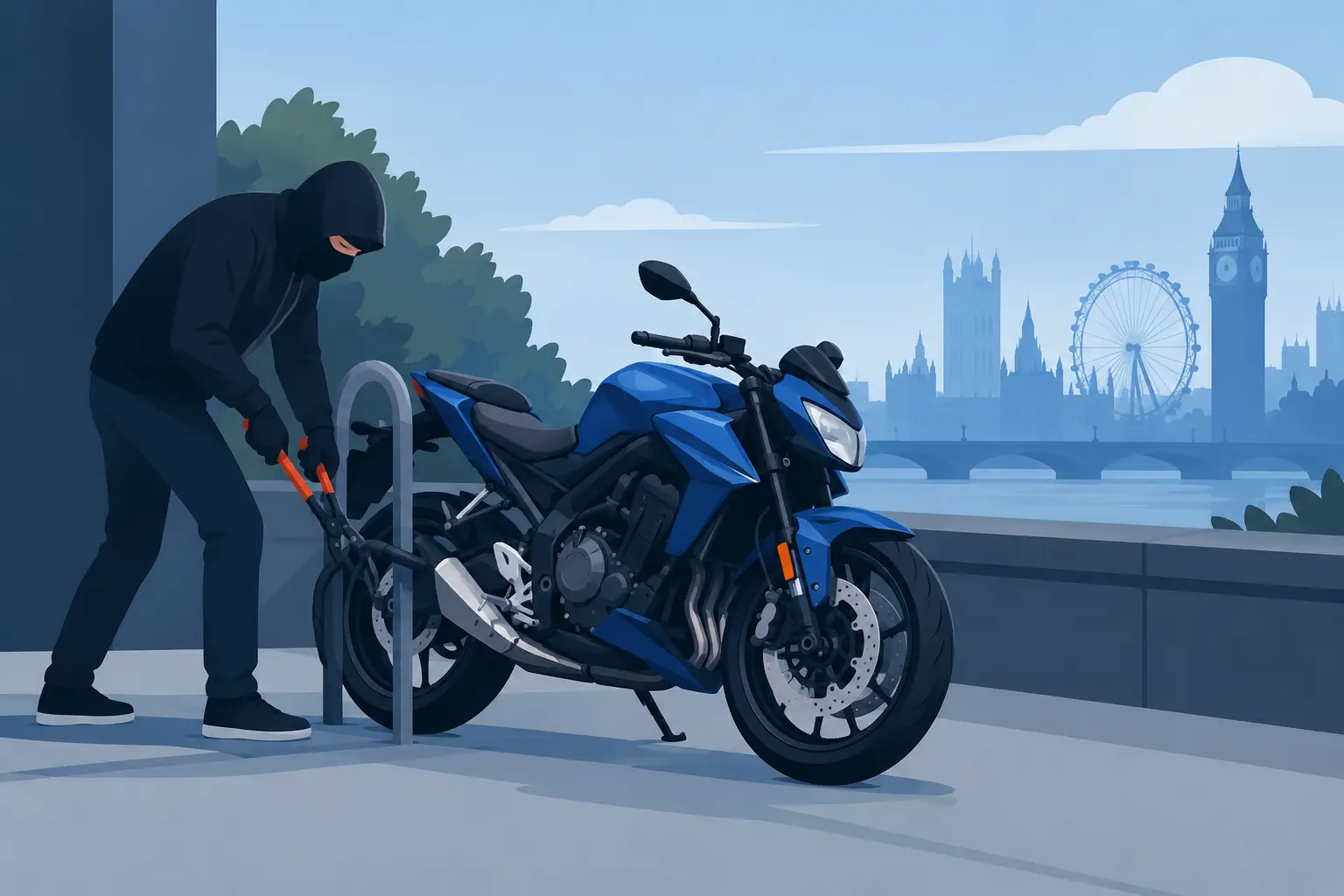
Parking in a locked garage can reduce risk for some drivers, but only state this if it is where the car is normally kept overnight. Security devices such as an approved alarm, immobiliser or tracker may help with certain vehicles, particularly those that are expensive or frequently targeted. Never guess which factory-fitted security features your car has.
Reducing mileage, where it reflects your real driving, can also lower the premium. Consider whether combining errands, using public transport for a regular journey or working from home more often has changed your yearly total. Telematics insurance may be worth considering for newer drivers or low-mileage drivers who are happy for driving behaviour to be monitored. It can reward safe habits, but check whether there are restrictions on late-night driving, mileage or how scores affect renewal prices.
Your renewal quote is a prompt to compare, not a reason to accept automatically. Prices, underwriting rules and insurer appetite change throughout the year. Using a comparison service such as UKcompare can help you view quotes from a broad range of registered UK insurers without completing multiple separate forms.
Give insurers the full, correct picture
Car insurance is priced on the facts supplied. Your postcode, occupation, parking arrangements, vehicle details, driving convictions and claims history all matter. Take time over each answer, particularly your job title. Choose the description that genuinely reflects your work, rather than selecting one because it appears cheaper.
Have your registration number, driving licence details, no-claims information and estimated annual mileage ready before you start. If you have bought the car recently, check its specification and any modifications. A quick DVLA and vehicle history check can also help confirm the details you are entering relate to the correct vehicle.
Once you have selected a policy, read the statement of fact and your documents as soon as they arrive. Contact the insurer promptly if anything is wrong. Correcting a small error early is usually far easier than explaining it after an accident or theft.
The best car insurance is not simply the cheapest policy on the screen. It is the one with a price you can afford, an excess you could pay, and cover that still works when an ordinary journey turns into an unexpected claim. Compare carefully, answer honestly and let the right quote earn your business – because who compares wins.