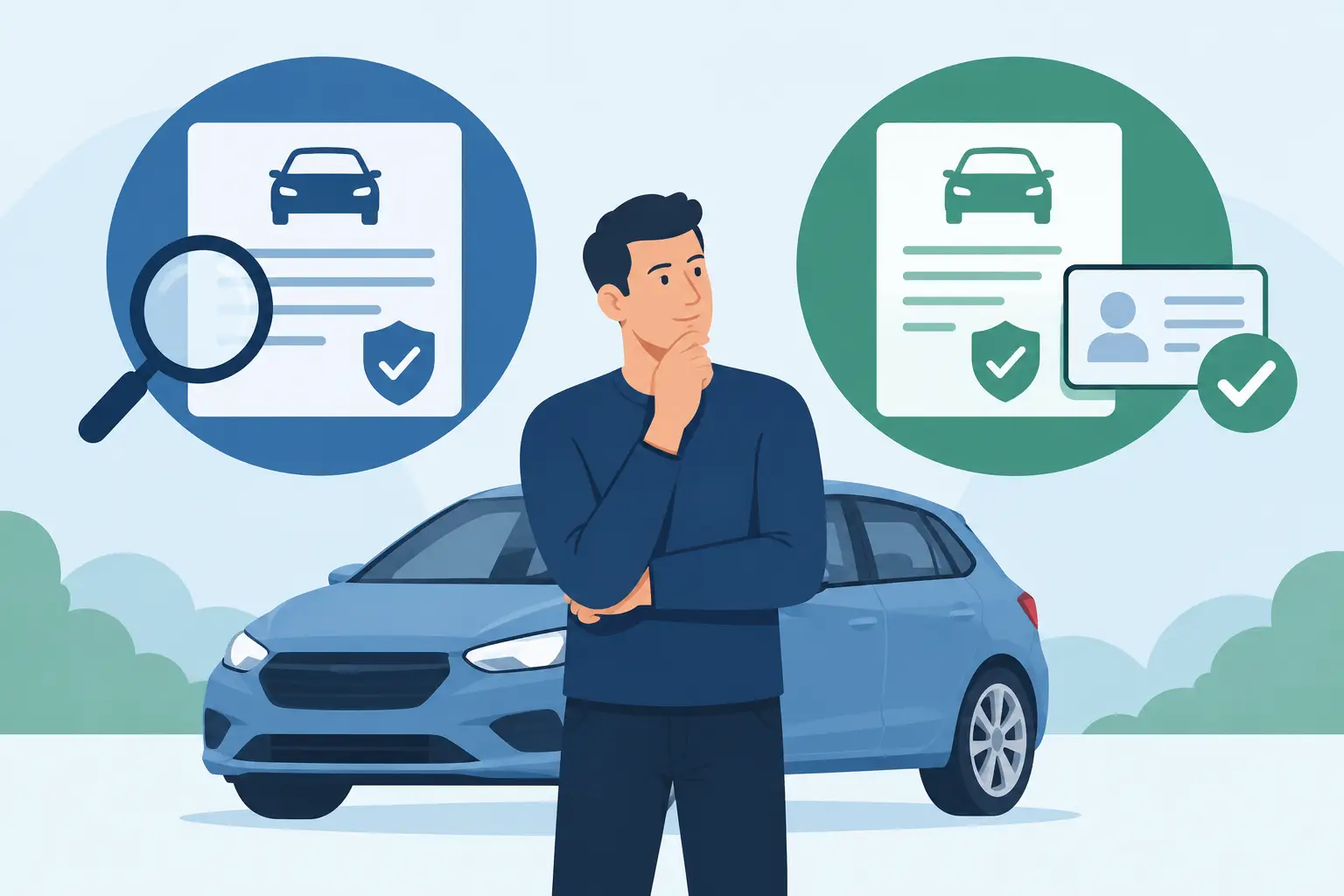

A named driver may use the car regularly, pay towards the policy and drive carefully for years – but that does not automatically mean they are building a no-claims bonus. The answer to whether named drivers can earn bonus is: sometimes, but only where an insurer has a specific scheme and confirms it in writing.
For most standard UK car insurance policies, the no-claims discount belongs to the policyholder. If your mum, partner or housemate holds the policy and you are listed as an additional driver, their claim-free years usually help their renewal price, not yours. That can be frustrating when you later take out your own policy, so it pays to understand the rules before choosing cover.
How no-claims bonuses normally work
A no-claims bonus, also called a no-claims discount or NCD, is a reduction insurers may apply when the policyholder has had a year without making a claim. It is built up one policy year at a time and can make a substantial difference to the price of car insurance.
The key word is policyholder. On a typical policy, the person named as the main driver and policyholder is the person earning the discount. Named drivers are insured to drive the vehicle, but they do not usually have their own separate NCD running in the background.
This also applies if a named driver does most of the driving. Insurers price a policy around who genuinely uses the car most, where it is kept and how it is used. Putting a more experienced person down as the main driver when a younger or less experienced person is really the main user is called fronting. It may look like a cheaper route to cover, but it is insurance fraud and could result in a rejected claim or cancelled policy.
Can named drivers earn bonus on someone else’s policy?
Some insurers offer a named driver no-claims scheme. These schemes can recognise claim-free driving as a named driver and provide proof of that history after a set period, often one or two years. That proof may then help when the named driver takes out their own policy.
There are important limits. A named driver bonus is not always the same as a full no-claims bonus. It may only be accepted by the insurer that issued it, or by a limited group of insurers. Another provider may treat it as useful experience but not give the same discount they would offer for a standard NCD earned as a policyholder.
The insurer will normally set conditions too. For example, the driver may need to remain continuously named on the policy, be claim-free throughout the period and meet minimum age or licence requirements. A claim involving the named driver can affect eligibility, while a claim made by somebody else on the policy may also matter depending on the scheme terms.
Never assume a named driver arrangement builds a transferable bonus. Ask the insurer directly: “Will the named driver earn a no-claims discount, and can it be used with another insurer?” Get the answer in writing or check the policy wording before you buy.
A claim-free record is still valuable
Even when it does not create a formal NCD, careful driving is not wasted. When arranging cover in your own name, insurers may ask about your driving history, claims and convictions. A clean record can support a better quote than a history of accidents or motoring offences, although it is not a substitute for proof of no-claims bonus.
Insurers use many rating factors, including age, postcode, vehicle, occupation, annual mileage, overnight parking and voluntary excess. No single factor guarantees a low premium, which is why comparing like-for-like cover matters.
When being a named driver makes sense
Being added as a named driver can be the right choice where somebody genuinely drives a car occasionally rather than as their main vehicle. It may also suit a learner who needs supervised practice, a couple sharing one car where one person drives much less, or an adult child who borrows a parent’s car from time to time.
It can be a practical way to get legally insured and gain experience. But if a driver has their own car, uses one car every day or is clearly the main user, a policy in their own name is usually the more appropriate route. It gives them control over the cover and lets them start building a standard no-claims bonus from the first claim-free year.
For young drivers, the short-term saving from being added to a parent’s policy needs weighing against the longer-term value of earning their own NCD. There is no universal answer. The price difference can be significant, particularly in the early years, but a cheaper policy should never be arranged using inaccurate main-driver details.
Ways to start building your own no-claims bonus
The clearest route is to take out a policy in your own name, with yourself declared as the main driver. That could be for your own car or, in some cases, a car you share, provided the details reflect how it is actually used.
A telematics or black-box policy may be worth considering for newer drivers. It tracks aspects of driving such as speed, braking, time of day and mileage. Good driving can lead to a more competitive renewal price with some insurers, though each policy works differently and a black box does not replace the need to build NCD year by year.
If your budget is tight, focus on details that can genuinely reduce the cost of cover. Choosing a sensible insurance-group car, accurately lowering your annual mileage where appropriate, improving security and paying annually rather than monthly can all help. A higher voluntary excess may reduce the premium too, but only choose an excess you could afford if you needed to claim.
Avoid making changes simply to chase a lower quote. Underestimating mileage, failing to declare modifications or using the wrong address can leave you underinsured or cause problems when making a claim.
Check what proof you will receive
If you are a named driver on a policy with a recognition scheme, ask what evidence will be issued at the end of the policy year. You may receive a letter, certificate or email confirming the dates you were insured and that no claim was made.
Keep this document safely, along with renewal notices and any correspondence about the scheme. If you later switch insurers, send the proof promptly if requested. An insurer may withdraw a provisional discount if the documentation does not meet its criteria.
Also check whether the insurer has a time limit for accepting proof. Standard no-claims discounts can often be accepted only if they are recent, commonly within two years, but requirements vary. A long break without insurance in your own name can make an earlier discount harder to use.
Compare cover on more than the headline price
Whether you are adding a named driver or buying your first policy as the main driver, make sure the cover suits the vehicle and how it is used. Check the compulsory and voluntary excess, driving other cars provision if relevant, windscreen cover, courtesy car terms, breakdown options and any restrictions on use.
When comparing quotes, enter exactly the same honest information each time. Small differences in mileage, occupation, parking or driving history can make one quote look cheaper when it is not a fair comparison. UKcompare can help you compare car insurance options from a wide range of insurers, saving time while you look for cover that fits your needs and budget.
A named driver role can be useful, but it is not automatically a shortcut to a no-claims discount. If building your own bonus is the priority, ask clear questions, keep any evidence of claim-free driving and consider when a policy in your own name becomes the smarter move. Who Compares Wins!